If you’re scared of heights – this hike isn’t for you.
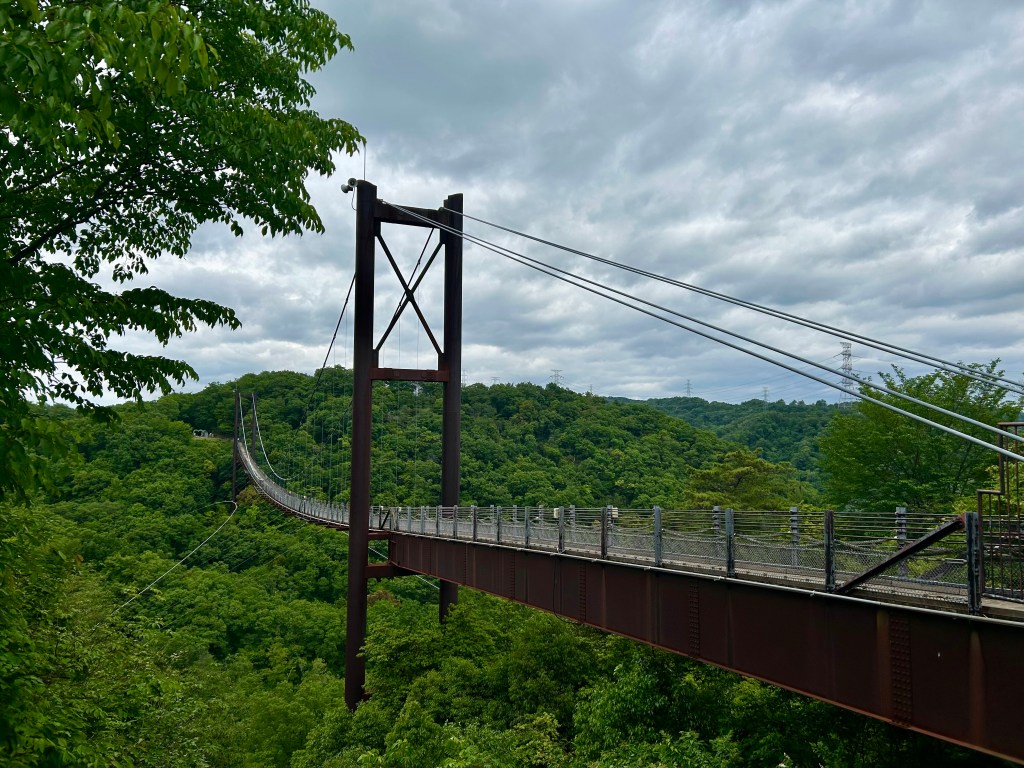
Hoshida Park, known as the ‘Forest of Osaka’, is home to the largest suspension bridge in Japan at a length of 280 meters and a height of 50 meters. The bridge, Hoshi no Buranko, is locally known as the Star Swing Bridge, stemming from the belief that standing on the bridge at night feels like floating among the stars. Despite its name, unfortunately you cannot walk across the bridge at night; it currently closes at 1630hrs.
This hike takes you through a well-signposted forest route, leading you across the bridge, before making your way back down. The route to the bridge and back spans around 8km and is suitable for beginners. To get to the start of the hike take the Keihan Main Line from Kyobashi to Hirakatashi Station. From Hirakatashi Station, take the Katano Line to Kisaichi Station (the end of the line). Follow the trail around the scenic Amano River which should be on your left-hand side on your way up. It will take around 1-hour to get to the bridge from the start of your hike, depending on your pace.
The longest wooden footbridge in Japan! 📍 Hike to Hoshi no Buranko 🌉✨ Looking for a perfect half-day adventure near Osaka? 🏞️ Start your hike from Kisaichi Station 🚉 and immerse yourself in forests, peaceful trails, and breathtaking views. 🌳🌲 👟 Trail Details: 📏 ~2.5 km one way 🌿 Easy to moderate difficulty 🕒 Takes about 2-3 hours round trip The highlight? Hoshi no Buranko—a massive suspension bridge that makes you feel like you’re walking among the stars! ✨ The view from up there is absolutely incredible, with a canopy of greenery stretching as far as the eye can see. 😍 🍙 Pro Tip: Pack a snack or bento to enjoy at the picnic area nearby—it’s the perfect way to recharge before heading back! 🌅 End your adventure with a serene walk back to Kisaichi Station as the sun sets over the Kansai wilderness. 📸 Tag your hiking buddy and save this post for your next outdoor escape! 🌟 #HikingJapan#Osaka#Japan#HoshiNoBuranko#KansaiAdventures#OsakaHikes#NatureLovers
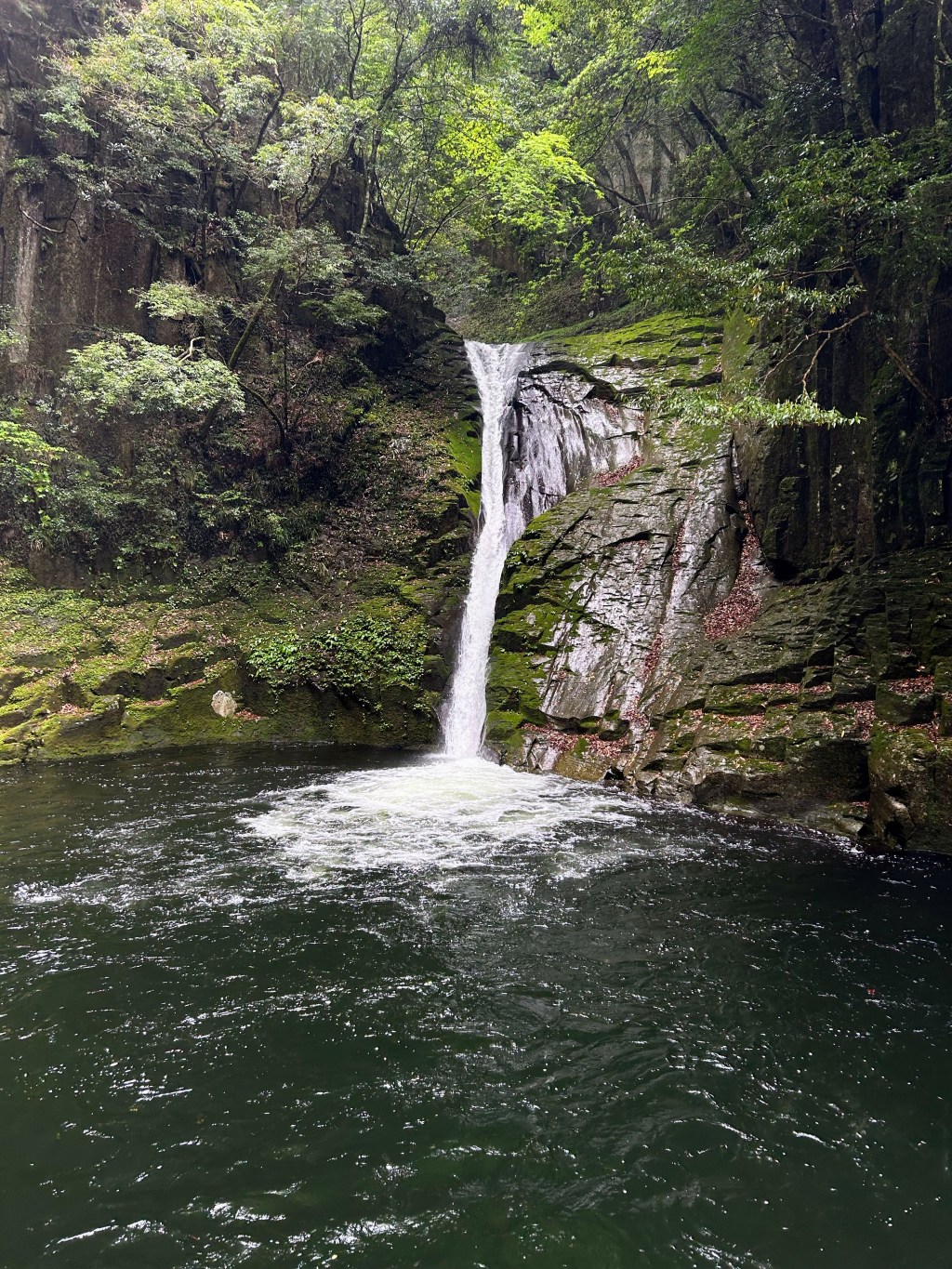
Akame 48 Waterfalls Trail is a well-known trail for deep mountain valleys and waterfalls of various sizes, widths, plunges and waterflows. The hike will take you into the Murō-Akame-Aoyama Quasi-National Park, past multiple stunning waterfalls. The 48 waterfalls are a collective name for a string of waterfalls flowing through Akame-cho, Nabari, Mie.
This location is where the first Ninjas used to train and perfect their art form. Go to the home of the Ninja, viewing the history of ninjas from stalls, shops and even restaurants. Enter a giant salamander museum, view these impressive creatures which are native to this area.
There are different routes that you can take, which vary in their difficulty. The three route options are:
Route 1 – Short and easy course, 20-minutes (one-way). This route is mostly paved and suitable for casual hikers. It will take you past three out of the five best waterfalls, Fudo Falls, Senju Falls and Nunobiki Falls. Be sure to not miss the deep valley at the start of the route which is said to date back over 15-million years; an unfathomable amount of time.
Route 2 – Moderate course, 90-minutes (one-way). This route is paved and includes some steep staircase sections, which can be slippy if it’s been raining. This route will ensure that you experience all five of the best waterfalls, adding Ninai Falls and Biwa Falls to your route.
Route 3 – Advanced course, 170-minutes (one-way) with a 584m elevation gain. This route takes you past the same waterfalls as route 1, before deviating onto the advanced course toward Mt. Nagasaka. The trail is steep but includes plenty of rest spots, making it manageable for intermediate hikers. To fully enjoy the experience, plan for a whole day.
To get the starting point of all three routes, take the Kintetsu-Osaka Line from Tsuruhashi Station (accessible via the Osaka Loop Line) to Akameguchi Station, this takes around 1hr 05mins. From Akameguchi Station, catch a bus from the bus station to Akamedaki.
The bus takes just 10-minutes on the Akame Line. Be sure to note the time of the last bus back from the falls and give yourself plenty of time to head back. From Akamedaki, follow the road around to the start of the hike.
All paths are well-signposted from the bus stop. Follow the route uphill and pass through the Salamander aquarium where you pay a small fee of 1,000 yen before starting your hike.
🌿✨ Explore the breathtaking beauty of Akame 48 Waterfalls! 🌊🍃 Just a short trip from Osaka, this serene hike offers cascading falls, lush green forests, and magical vibes! 🌟 Whether you’re spotting salamanders 🦎, soaking in the peaceful sounds of nature 🎶, or dressing up as a ninja 🥷, this spot is a must-visit! 💧🏞️ ⏰ Duration: 2–3 hours round trip (easy-moderate hike) 🎒 What to bring: Comfy shoes, a water bottle, and your sense of adventure! 💬 Tag someone who’d love this hike! 🥾💚 #Akame48Waterfalls#OsakaDayTrips#HikingVibes#NatureLovers#JapanTravel#Osaka#Travel#Daytrip
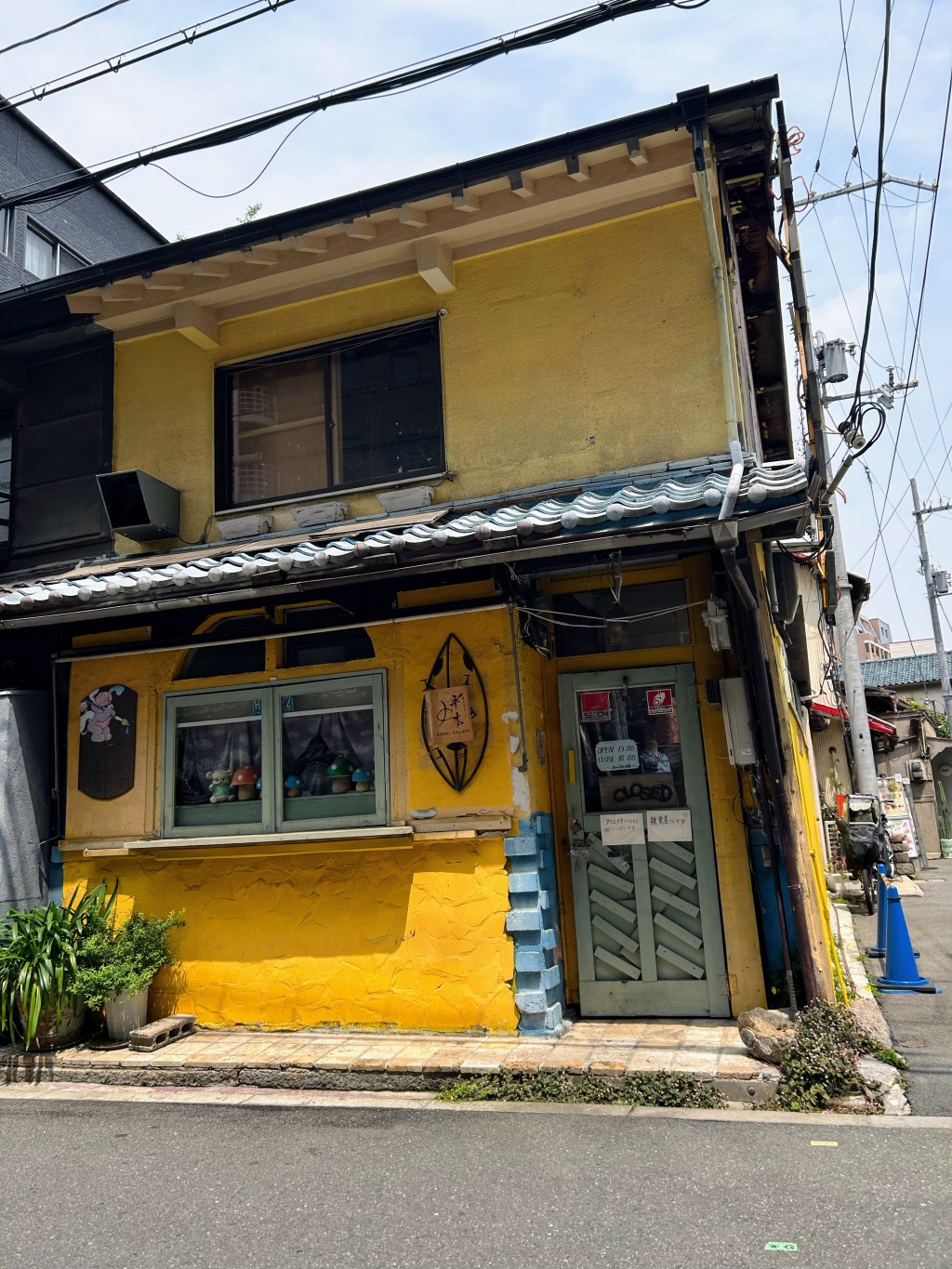
Just the boho vibe I was looking for! Nestled just a short walk from the bustling Osaka Station lies Nakazakicho, a neighbourhood brimming with retro charm, artistic flair, and cosy cafes. This hidden gem of an area offers an escape for those seeking a more intimate and authentic Osaka experience.
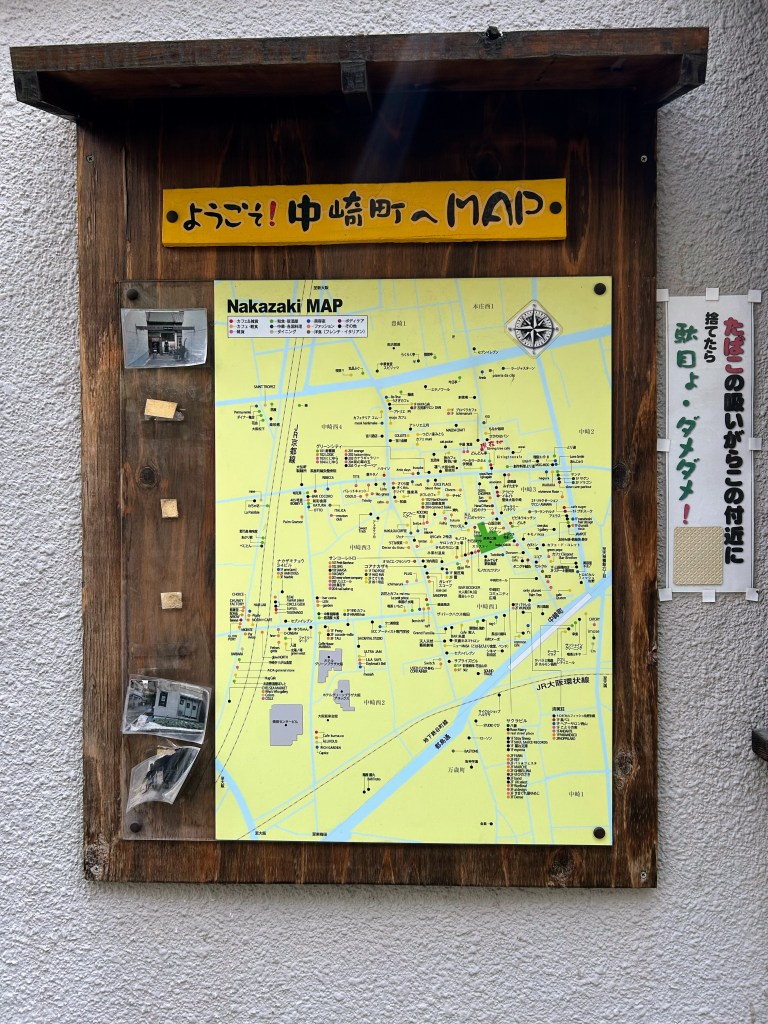
Nakazakicho is approximately a 10–15 minute stroll from Umeda Station. Along the way, you’ll pass through the vibrant Chayamachi area, making the walk an enjoyable prelude to your exploration. The area even has its own map!
🏘️ The Streets of Nakazakicho Nakazakicho is renowned for its narrow, winding alleys lined with preserved pre-war wooden houses. These traditional buildings now house an eclectic mix of boutique shops, cosy cafes, and art galleries, creating a delightful blend of old-world charm and contemporary creativity. The area’s bohemian atmosphere and photogenic streets make it a favourite amongst locals. Despite this, it remains a hidden gem in Osaka for tourists.
☕️ Cafes and Eateries to Explore Nakazakicho boasts an array of inviting cafes and eateries, perfect for a relaxing day out. Here are just some of my recommendations:
Shimako Cafe: Famous for its homely interior and delicious omurice (Japanese omelette rice), this cafe is a must-visit for comfort food lovers.
KAYA CAFE: Offering a snug atmosphere and a selection of light meals and drinks, it’s a great spot to unwind.
Nichinichi Bake: This beloved bakery-cafe is known for its freshly baked goods and cosy ambiance. Be sure to arrive early, as it’s a popular choice among locals.
Tucked just a short walk from Osaka Station, Nakazakicho is the hidden gem you didn’t know you needed. 🏘️✨ Think retro charm, artsy vibes, and cozy cafes—all rolled into one perfect neighborhood. Stroll through narrow alleys lined with pre-war wooden houses, sip on coffee at Shimako Cafe ☕️, or dive into nostalgia at Elemeca Labo. Whether you’re a foodie, an art lover, or just looking for a quiet escape, Nakazakicho has something magical waiting for you. 🌟 ⏳ It’s only 10–15 minutes from Umeda Station, but it feels like stepping back in time! 📸 Don’t forget to snap pics of those photogenic streets—you’ll want to remember this slice of authentic Osaka forever. 📍 Have you explored Nakazakicho yet? Let me know your favorite spots in the comments! #OsakaTravel#Nakazakicho#HiddenGem#JapanVibes#BohoStyle#TravelJapan#CozyCafe#RetroCharm#Wanderlust#ExploreOsaka
🍹 Bars and Nightlife As the sun sets, Nakazakicho transforms into a lively hub of activity with its unique bars and cultural venues, including:
Salon de AManTo: A fascinating blend of cafe, bar, and art gallery, this spot provides a relaxed environment where you can enjoy drinks alongside live performances and creative exhibitions.
Café Arabiq: This cosy bar is ideal for a quiet evening, offering a great selection of drinks in an intimate setting.
🎨 Artistic and Cultural Highlights Nakazakicho is a haven for art and history enthusiasts:
Elemeca Labo: A unique venue featuring over 40 vintage amusement machines, some of which date back to the 1920s. Guests can interact with these retro games, offering a nostalgic step back in time.
Ethno Art of Old Japan (NIM): A boutique specialising in traditional Japanese ceramics, textiles, and furniture. Each piece is steeped in history and culture, making this a treasure trove for antique lovers.
🛍️ Boutique Shopping Nakazakicho’s independent shops are perfect for unique finds. La Granda Familio Nakazakicho in particular, is a quaint shop offering homemade organic granola. Its beautifully designed interior is reason enough to drop by.
🌟 Final Thoughts Nakazakicho is a refreshing contrast to the sleek modernity of Osaka’s city centre. With its blend of historic architecture, artistic venues, and cosy eateries, its refreshing for anyone seeking a more relaxed and authentic experience right next to Umeda!
So next time you’re in Osaka, take a detour to this delightful neighbourhood and immerse yourself in its unique charm.
Just a 35-minute direct train ride from Osaka Station lies an abandoned railway in the Hyogo Prefecture. This railway, part of the old JR Fukuchiyama Line, has been repurposed into a magnificent 5-kilometer hiking trail. With its historical charm, stunning views of gorges and mountains, and the thrill of walking through unlit tunnels, this hike is an adventure worth taking. The trail is mostly flat and accessible, making it ideal for all levels of hikers, including families with children.
How to Get There
To start your journey, take the JR Fukuchiyama Line from Osaka Station. This is just one train ride from Osaka Station – no need to switch trains, which makes it even the more stress-free for your trip. You can choose to begin the hike at Namaze Station and end at Takedao Station, or reverse the route. Both directions are equally rewarding, but starting at Namaze Station provides a gentle introduction to the trail – and ends you at the most perfect cafe for lunch or a drink!
From Osaka to Namaze Station:
Duration: Approximately 45 minutes from Osaka Station.
Fare: Approximately ¥500.
Directions: After exiting Namaze Station, turn right and follow the path downhill. Look for the trailhead near the Mukogawa River. You will walk alongside a road tunnel, with some impressive soundproofing technology. One through the tunnel, cross over the highway before making your way down to start the trail route.
Trail Highlights
Formed as part of the JR Fukuchiyama Line, the railway was abandoned when trains were diverted to new tracks. What remains is a peaceful and scenic hike through the Mukogawa Valley, surrounded by dense forests and flowing water.
Essentials: Good walking shoes, snacks, friends, and most importantly, a torch (flashlight) for the dark tunnels. No, your phones light will not be good enough! (trust me, I thought it would be too…)
Exploring the Tunnels
The trail features six unlit tunnels, remnants of the old railway. Some are short and you can see either end, but some are long enough that you won’t be able to see the exit from the entrance, adding an adventurous element to the hike. The longest stretches 450 meters, requiring a reliable light source for safe passage.
Atmosphere: There are moments when you might imagine a train suddenly thundering through, but rest assured, the tracks are no longer in use. There are also moments where you might be a bit scared if you don’t enjoy the darkness in the tunnels. Best to go in a group if you think this would be you!
Scenic Bridges and Stunning Views
As you cross bridges like the iconic Daini Mukogawa Bridge, you’ll be treated to breathtaking views of the Mukogawa River below and the surrounding mountains. These spots are perfect for capturing the natural beauty of the valley.
Ending at Takedao Station
The hike concludes at Takedao Station, where you’ll find vending machines, small shops, and opportunities to relax. If time permits, unwind at Takedao Onsen, a local hot spring known for its rejuvenating waters and scenic surroundings.
Is it worth it?
This is by far the most rewarding hike I have been on from Osaka in terms of the scenery, the time it took to get to from Osaka, the level of difficulty and the atmosphere. Definitely my number 1 most recommended hike to go on from Osaka (so far!).
PSA! If you do not have a group and would like someone to hike this route with you, please reach out via email to: enquiries@visitosaka.org and our tour guide will accompany you (with a torch!).
Just 35 minute direct train from Osaka Station!! 🚊🥰 An abandoned railway in the Hyogo Prefecture has been adapted into a scenic 5km hiking trail. 🥾 Formed as part of the JR Fukuchiyama line, it now lies abandoned as trains are diverted down new tracks. However, what is left behind offers stunning views of gorges and mountains as you take on the adventure of also walking through absolute darkness. ⛰️ The hike in itself is not demanding as most of the way is flat ground. Ensure that you bring a torch (flashlight) 🔦!!with you as some of the tunnels are long enough that you won’t be able to see either end 👻 . There are times where paranoia that a train might come thundering through starts to sweep in but allow yourself to be eased into the comfort that knowledge is power and knowledge indicates that the railway is no longer in use. Things to bring: Good walking shoes, some snacks, friends, and most importantly a torch! If you wish to start from JR Namaze station and end up at JR Takedao station, there is an onsen nearby the station you are able to relax in. GETTING THERE Take the JR train from Osaka Station to JR Takedao station and follow the paths into the tunnels. The end of the hike will take you to JR Namaze station where a train will whisk you back to Osaka. #osaka#japan#travel#hiking#offthepath#takedao#walk#scenic#views#mountain#hyogo#lovelife#life 🇯🇵
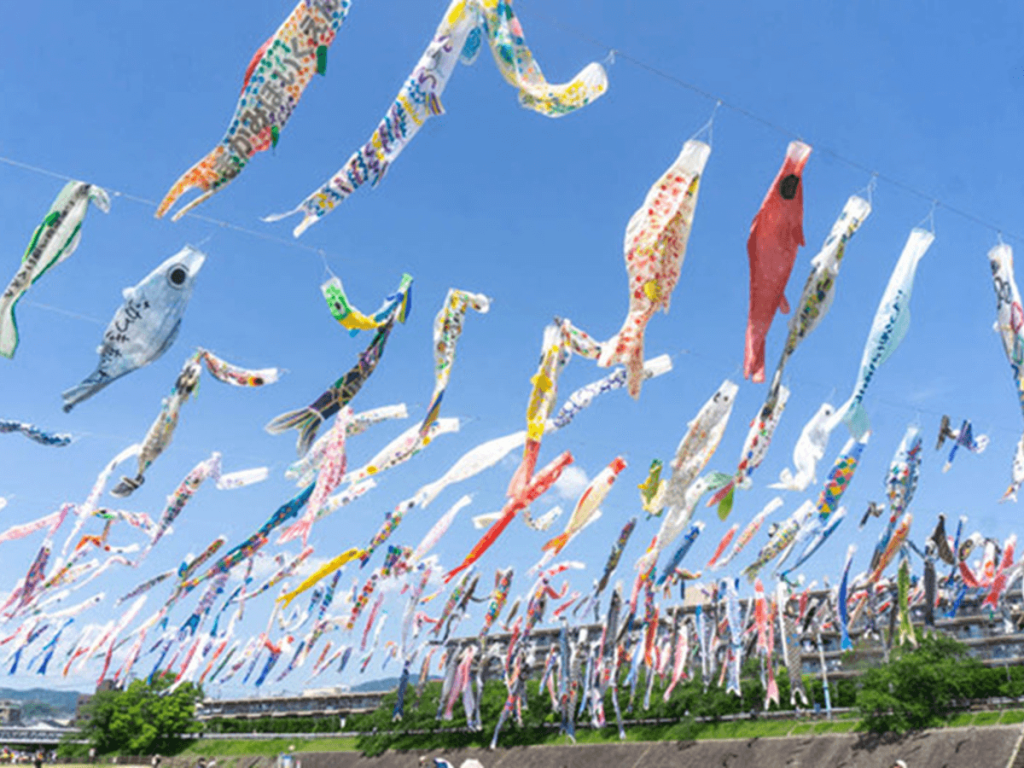
Nestled between Osaka and Kyoto, the charming city of Takatsuki offers a delightful mix of cultural experiences, natural beauty, and mouthwatering cuisine. Whether you’re visiting Osaka for the first time or returning to uncover its hidden gems, a trip to Takatsuki is a perfect way to spend the day. Here’s how to make the most of your visit, especially if you’re here on April 29th for the spectacular Koinobori Festival.
Start Your Day with Takatsuki’s Local Charm
From Osaka Station, Takatsuki is just a quick 15-minute ride on the JR Kyoto Line to Takatsuki Station. Upon arrival, you’ll notice the city’s relaxed pace compared to bustling downtown Osaka, making it a refreshing escape.
Begin your exploration at Akutagawa River Park. This serene spot is especially lively in spring, with families and visitors gathering to enjoy the blooming cherry blossoms and the festive atmosphere of the Koinobori Festival.
The Koinobori Festival: A Highlight of Spring
Every year on April 29th, the skies above the Akutagawa River are adorned with colourful koinobori (carp-shaped windsocks) fluttering in the breeze. This traditional festival symbolises wishes for children’s health and success, and it’s a sight you won’t want to miss.
The festival atmosphere includes food stalls offering classic Osaka street food like takoyaki and okonomiyaki. Don’t forget to try dango (sweet rice dumplings) while soaking in the lively ambiance. There are also cultural performances and activities for families, including a traditional japanese drum performance, making it a joyous event for all ages.
Explore Historical and Cultural Spots
After enjoying the festival, head to the nearby Takatsuki Castle Ruins Park. While the castle itself no longer stands, the park offers panoramic views of Osaka and the surrounding area, along with a tranquil setting perfect for a leisurely stroll.
For a deeper dive into history, visit the Settsu-Kyo Gorge, a natural wonder just a short bus ride away. Known for its dramatic rock formations and clear waters, it’s a favorite spot for hiking and photography enthusiasts.
Where to Eat: Savor Takatsuki’s Culinary Delights
Takatsuki boasts a vibrant food scene, blending traditional Osaka flavors with local specialties. Here are some recommendations:
Ramen Kaido: Known for its rich, savory broth and perfectly cooked noodles, this ramen shop is a must-visit.
Kissa Yū: A charming café offering retro vibes and a selection of coffee and cakes. It’s the perfect spot for a mid-afternoon break.
Shinshu Soba Takatsuki: Specializing in hand-made soba noodles, this restaurant provides a taste of authentic Japanese cuisine.
End Your Day on a High Note with Live Jazz!
Before heading back to Osaka, enjoy a leisurely evening in Takatsuki’s downtown area. The Takatsuki Jazz Street, held in May, sets the tone for the city’s artistic spirit, and you can catch live performances at some local bars and cafés year-round.
If you’re visiting during the cherry blossom season, consider taking an evening walk along the Akutagawa River, where the illuminated sakura creates a beautiful atmosphere.
Getting Back to Osaka
Takatsuki’s convenient location means you’ll be back in Osaka in no time. Reflect on your day as you return to the vibrant city, having experienced a slice of authentic Japanese culture just a short train ride away.
Plan Your Takatsuki Adventure
Whether you’re in Osaka for a few days or longer, Takatsuki offers a unique blend of natural beauty, cultural experiences, and culinary delights. Don’t miss the chance to visit during the Koinobori Festival on April 29th, where the city truly comes alive with colour and celebration.
Ok, this is technically in Nara, but its an easily accessible hike from Osaka!…
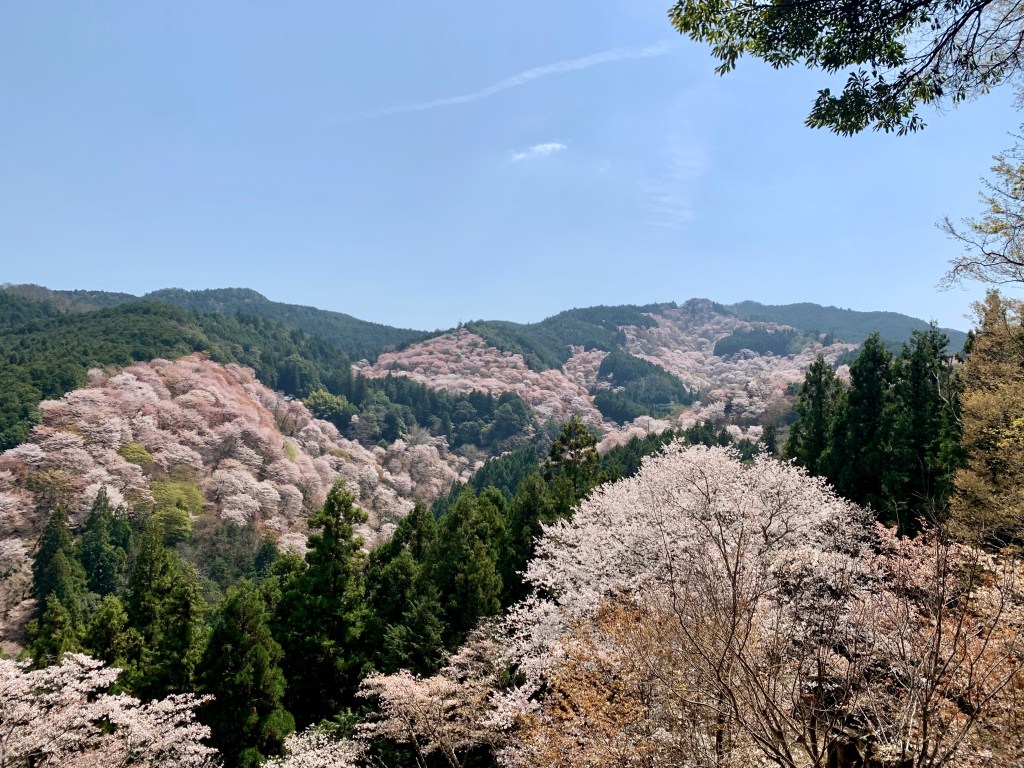
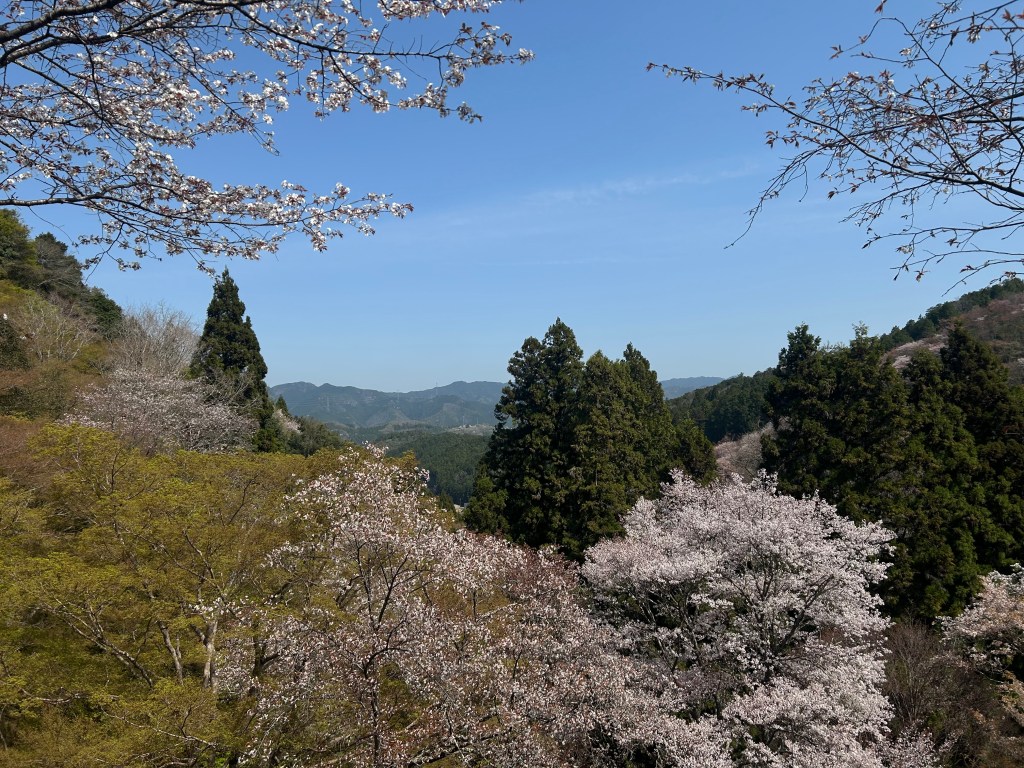
Mt. Yoshino in Nara Prefecture is the traditional famous place to see an impressive vista of cherry blossom trees (Sakura) in Japan (over 30,000 trees!). Mount Yoshino was designated as part of a UNESCO World Heritage Site in 2004 called ‘Sacred Sites and Pilgrimage Routes in the Kii Mountain Range’. Here’s everything you need to plan your own trip.
🕐 Hike Time: 4–6 hours round trip, depending on pace and how far you go 🥾 Difficulty: Easy to moderate – mostly paved or gravel paths, some uphill sections 🚻 Facilities: Toilets at stations, temples, and main viewpoints 📶 Signal: Spotty in higher areas.
Getting to Mt. Yoshino from Osaka
Mt. Yoshino is super accessible from the city of Osaka. The easy way (recommended)is to get the train from Osaka-Abenobashi Station (right next to Tennoji Station), and take the Kintetsu Limited Express directly to Yoshino Station (吉野駅). The duration of the train ride is ~1 hour 15 minutes and will cost: Around ¥1,600–2,000 one-way.
💡 Tip: Reserve a seat ahead of time, especially during cherry blossom season or weekends. You can buy tickets at the station or via the Kintetsu website.
🐢 The Cheaper Way (Local Trains) If you’re not in a rush, take a local Kintetsu train with a transfer at Kashiharajingu-mae Station. It’s slower (closer to 2 hours) but a bit cheaper.
Starting the Hike
Once you arrive at Yoshino Station, the mountain hike begins right outside. You can walk or take the Yoshino Ropeway (when it’s running) up to the Naka Senbon area.
🥾 Hiking Mt. Yoshino – What to Expect This isn’t a hardcore mountain hike—it’s more of a gentle, spiritual trail lined with shrines, shops, temples, and trees. The mountain is traditionally divided into four sections as you climb:
You can turn back at any point, but here’s the route I followed for a well-paced, full-day experience:
Yoshino Station to Naka Senbon – Winding Up Through Town 🌸 The hike begins with a walk up through Shimo Senbon, where the narrow mountain road is lined with little shops selling mochi, tea, and local specialties like kakinoha-zushi (sushi wrapped in persimmon leaves). I grabbed some to-go and kept climbing as the slope was gentle.
Kinpusenji Temple – A Sacred Stop ⛩️ You’ll soon reach Kinpusenji Temple, a UNESCO World Heritage Site and a key location in Japan’s mountain-worship tradition (Shugendo). From here you will see an iconic view of the sakura. The wooden main hall is enormous, with dramatic beams and a deep, spiritual atmosphere. There is a small entrance fee of 200-yen.
Kami Senbon – Forest Paths & Big Views 🌄 Past the temple, the trail gets quieter and more forested. As you reach Kami Senbon, the views open up and you can see down into the valley and across the ridgelines of Mt. Yoshino. The Hanayagura Viewpoint is the big highlight here where the mountain turns pink in waves. I visited on peak bloom, and it was stunning. 💡 Cherry blossoms bloom in layers as you climb, so even if the town is past peak, higher elevations may still be in bloom. In other seasons, you’ll find green, misty mountain trails or fiery red leaves in autumn.
Oku Senbon – Into the Deep 🌲 If you’ve still got energy (and time), keep hiking into Oku Senbon—the deepest and most peaceful part of the mountain. The path gets quieter, wilder, and more serene, surrounded by towering cedars and little shrines tucked into the forest. I didn’t see many people past this point.
This is the BEST location in the world to view the sakura in Japan & its just 1.5-2hrs from Osaka!! 🌸🥾🌲🏕️ This reel does not do it justice. The views are incredible. I’ll be writing a blog shortly about how to get to Mt Yoshino and what to expect. Check out visitosaka.org in the next few days! 09.04.2025 #sakuraschoolsimulator#japan#osaka#mtyoshino#cherryblossoms#tourism#travel#hiking
🍵 Where to Take a Break There are plenty of little rest stops and cafes along the trail, especially around Naka Senbon. My favourite spot is Yoshinoyama Sabo (吉野山茶房) – a lovely mountain teahouse with matcha desserts and seasonal sweets. You’ll also find small noodle shops and stalls selling grilled mochi or dango. Bring some cash, as not all shops take cards!
Looking for an unforgettable day in Osaka? Whether you’re exploring on your own, planning a family outing, or seeking a romantic evening, Nagai Park will deliver. Featuring the romantic Nagai Botanical Garden (turning into TeamLab Botanical Garden at night) and the Osaka Museum of Natural History, this destination blends nature, education, and art in one location.
Wander Through the Nagai Botanical Garden The Nagai Botanical Garden is one of the best botanical gardens in Osaka. Covering over 240,000 square meters, this green oasis is home to thousands of plant species. Depending on the time of year, you’ll encounter a display of cherry blossoms in spring, hydrangeas in summer, autumn foliage, or winter flowers like camellias. The seasonal flower displays make it a top spot for photographers, couples, and families alike.
Key attractions within the garden:
A rainbow bridge: the perfect spot for a photo!
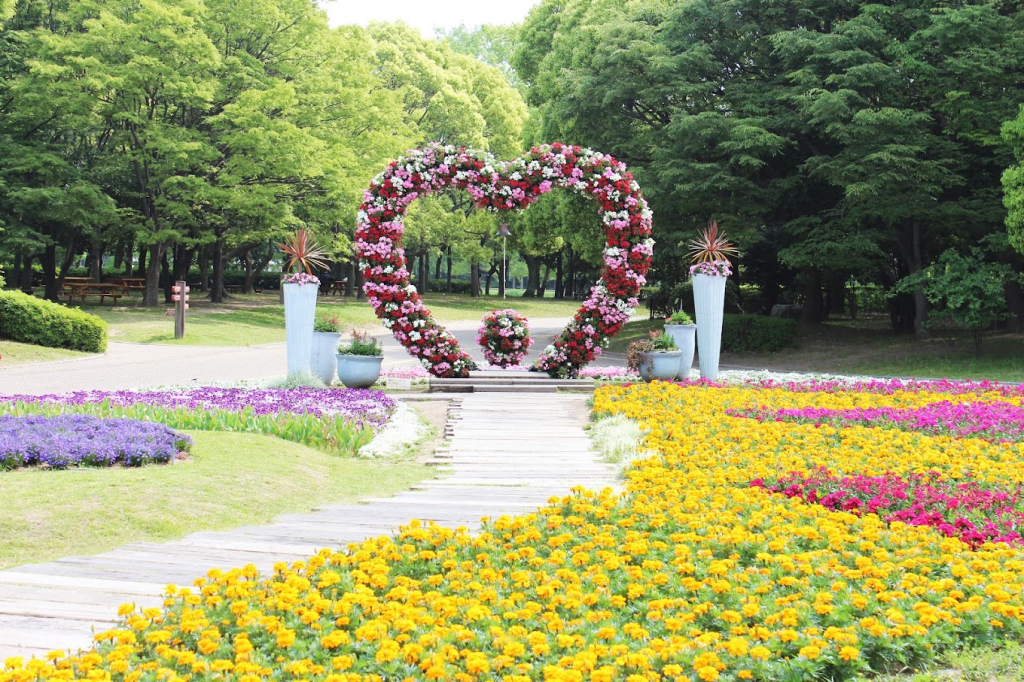
Heart-shaped flowerbed: A favorite for Instagram photos and a must-see for couples visiting Osaka.
Aquatic plant ponds: Featuring vibrant lotus flowers and tranquil water lilies.
Rose garden: A fragrant highlight during early summer and late autumn.
Wooded walking paths: Perfect for a peaceful escape from the city.
Families will love the butterfly garden, and nature enthusiasts can join guided tours to learn more about the ecosystems of Osaka and beyond. It’s a relaxing experience, making it one of the most family-friendly places in Osaka.
Midday: Discover the Osaka Museum of Natural History After soaking up the greenery, head to the Osaka Museum of Natural History, located in the same park. A favorite among visitors searching for educational activities in Osaka, this museum offers a fascinating look into the natural world without the need for much walking.
The museum is packed with displays covering fossils, geology, and biodiversity. Interactive exhibits and life-sized dioramas make it a hit with kids and adults. Highlights include:
Dinosaur skeletons: A classic must-see for fans of natural history.
Local Osaka ecosystems: Learn about the unique plants and animals found in the Kansai region.
Immersive exhibits: for wanting to understand Earth’s history.
Planning a trip with kids? The museum has hands-on activities that make learning about nature fun and engaging. It’s no surprise this spot is often featured in searches for family-friendly museums in Osaka.
Evening: Experience the Magic of TeamLab Botanical Garden As the sun sets, the Nagai Botanical Garden transforms into the TeamLab Botanical Garden, an interactive digital art experience that’s among the top things to do in Osaka at night. If you’re wondering if TeamLab Botanical Garden is worth it – it absolutely is! Its also the only TeamLab in Osaka. After visiting the museum, you can simply walk back into the botanical gardens from the museum to experience the different side of the park & your kids wouldn’t suspect its the same park!
The gardens come alive with:
Interactive light displays: Paths glow as you walk, and lights respond to your movements.
Shimmering trees and ponds: Illuminations reflect off the water, creating breathtaking visuals.
Seasonal installations: These change throughout the year, so there’s always something new to see.
A visit here is often listed as one of the most romantic things to do in Osaka, and it’s easy to see why. Bring a camera —this experience is perfect for couples, families, and solo travelers alike.
How to Get to Nagai Park Nagai Park is one of the easiest day trips from central Osaka. If you’re travelling using the Osaka Metro: Take the Midosuji Line to Nagai Station (Exit 3), then walk 8 minutes. If you’re travelling using the JR Hanwa Line: Get off at Nagai Station (East Exit), and it’s a 10-minute walk.
For those driving, parking is available, but it can fill quickly on weekends and holidays. If you’re planning to visit during the evening, public transport is highly recommended.
Ticket Information & Hours Nagai Botanical Garden
Daytime: 9:30 AM–5:00 PM (last entry 4:30 PM).
Night (TeamLab): 6:00 PM–10:00 PM (hours may vary).
Tickets: ¥300 for adults, ¥200 for students, and free for children during the day. TeamLab admission: ¥1,500 for adults, ¥800 for students, free for young children.
Osaka Museum of Natural History
9:30 AM–5:00 PM (last entry 4:30 PM).
Tickets: ¥300 for adults, ¥200 for students, and free for children.
If you love good food, great spaces, and the energy of Osaka, Time Out Market and Green Plaza should be at the top of your list. Whether you’re a visitor or a local looking for something new, this is a place that captures the best of the city in one location.
Time Out Market Osaka has officially arrived, bringing together some of the city’s top chefs, beloved local eateries, and international flavours—all under one roof. And the best part? It’s nestled in the brand-new Green Plaza, a vibrant urban space designed for food, fun, and relaxation.
Located in the heart of Osaka’s bustling Umeda district, Green Plaza sits just a short walk from Osaka Station, making it a prime destination for both locals and visitors. The area is already known for its impressive skyscrapers, shopping hubs, and entertainment, but Green Plaza brings something new—a much-needed balance of modern urban energy and open, green space.
Here’s why you should add this spot to your Osaka itinerary.
The best of the City under one roof
Osaka is famous for its food, and Time Out Market takes that reputation to the next level. This isn’t just another food court—it’s a carefully curated collection of some of the best dining experiences the city has to offer. Think Michelin-recognised chefs, legendary street food vendors, and exciting new flavours, all in one stylish setting.
From high-end sushi to crispy takoyaki, every dish is made with Osaka’s signature passion for flavour. Highlights include expertly crafted ramen, sizzling okonomiyaki, gourmet yakitori, and decadent desserts from some of the city’s most celebrated patisseries. There’s even a dedicated craft beer and cocktail bar, offering the perfect pairing for your meal. Whether you’re grabbing a quick bite or settling in for a long meal, the market delivers a feast worth remembering.
For seafood lovers, there’s fresh sashimi straight from Osaka Bay, while meat enthusiasts can enjoy wagyu beef cooked to perfection. Vegetarian and vegan options are also well-represented, with plant-based ramen and creative Japanese fusion dishes that ensure no one misses out.
Beyond the Food: Exploring Green Plaza
Time Out Market is just the beginning. It’s located within Green Plaza, a brand-new urban space that blends modern design with a relaxed, inviting atmosphere. With open spaces, stylish shops, and cultural spots, it’s a place where you can eat, explore, and unwind.
The Idea Behind Green Plaza
Green Plaza was designed with a clear vision: to create a dynamic, people-friendly space that balances modern urban living with sustainability and culture. Recognising the need for more pedestrian-friendly, green spaces in Osaka’s bustling cityscape, urban planners developed Green Plaza as an innovative model for future city design. It prioritises walkability, community engagement, and eco-conscious development, ensuring that residents and visitors alike have a welcoming place to gather, relax, and experience the best of the city.
From its rooftop gardens that help combat the urban heat island effect to its use of energy-efficient lighting and sustainable materials, Green Plaza represents a new era of urban planning in Japan—one that seamlessly blends commerce, culture, and nature.
What to Do at Green Plaza
Green Plaza is pedestrian-friendly, eco-conscious, and designed for people to actually enjoy spending time in. It’s a refreshing escape from the usual city rush, making it a great place to stroll, grab a drink, or simply take in the vibe of Osaka’s ever-evolving landscape. Unique boutique stores and pop-up stalls showcase artisanal goods, while art installations add an extra touch of creativity to the area.
One of the standout features of Green Plaza is its brand-new outdoor concert area, which hosts live music performances, cultural events, and weekend markets. From jazz nights to indie band showcases, the space brings an exciting energy to the district, making it a perfect spot to relax with a drink and enjoy Osaka’s vibrant arts scene. There are also film screenings, interactive workshops, and seasonal festivals that add to the dynamic atmosphere, ensuring there’s always something happening.
For those looking to unwind, Green Plaza offers uniquely designed seating areas, rooftop gardens, and a small urban park where visitors can enjoy a quiet moment away from the bustling city. Families will appreciate the dedicated play areas for children, while remote workers can take advantage of open-air coworking spaces with free Wi-Fi.
In the evenings, the area transforms with illuminated walkways, creating a scenic spot for a leisurely nighttime stroll. Seasonal light displays and projection mapping events add an extra layer of magic to the experience, making it an Instagram-worthy destination year-round.
To the north east of Osaka, there’s a park called Hiraoka Park. But there isn’t just a park – there are a lot of hiking routes here too! The route I’m going to take you through today is all uphill, starting and ending at Hiraoka Station.
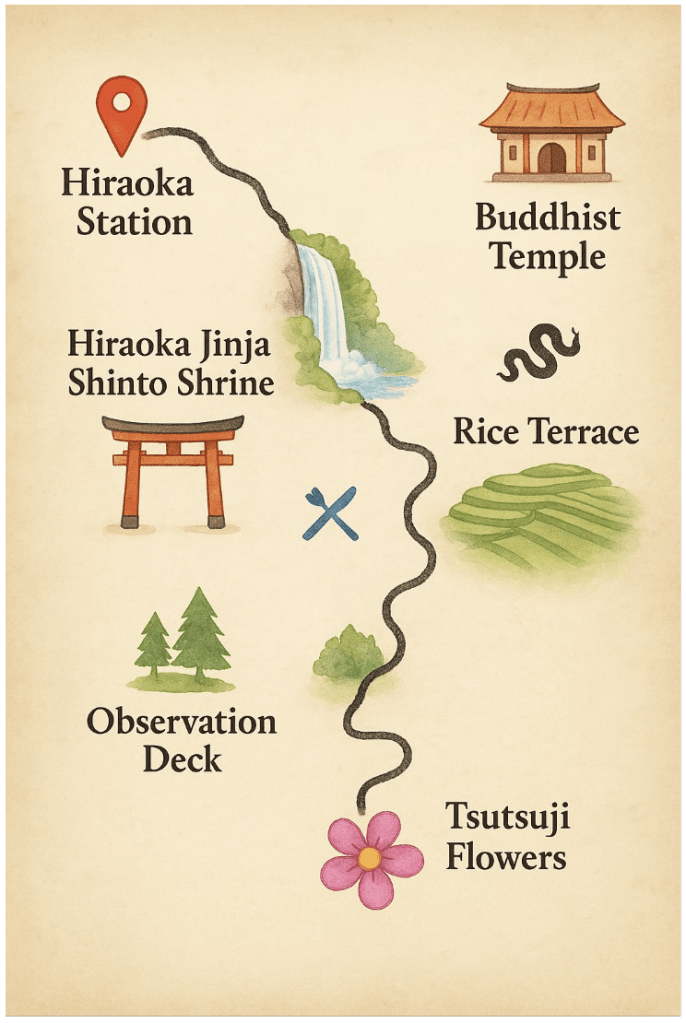
Indicative map of the hike and its main sights
Level of difficulty: 4 out of 5 (elevation change ~400m). The duration of the hike can be as long as you want it to be, it can last between 3-5hrs and cover a distance of 10-12km. The route is steep, with plenty of places to rest. I would reserve a whole day to make the most of your hike.
Access
To get to the Hiraoka, from Umeda Station take a train on the Midosuji line and get off at Namba. From Namba, swap to the Kintetsu-Nara Line and take the Sub Semi-Express toward Yamato-Saidaiji. Get off the train at Hiraoka. An express train should take about 20 minutes or so. Please note that this is an unmanned station.
First, a visit to the Hiraoka Jinja Shrine (枚岡神社)
Leave Hiraoka Station and turn right. Head towards the railway crossing, cross over the railway tracks and be careful. Once over the railway tracks turn right and head up until you reach a Tori gate on your left. This Tori gate is called Ni-no-Torii Gate, second Shinto Shine arch of Hiraoka Jinja. Make your way up and follow the blue flags to reach Hiraoka Jinja Shrine and the Hayden Shrine Hall of worship. This is a centuries-old shrine reconstructed in 1826, with sweeping views of Osaka & spring plum blossoms. The shrine is known as one of the few power spots in Osaka. It hosts various festivals throughout the year, including traditional celebrations like the Setsubun Festival, where beans are thrown to ward off evil spirits, and events dedicated to the local harvest. Take a moment to admire its beauty and make a wish.
Many temples and shrines throughout Japan burn incense. I recommend this Incense Gift Set with Low Smoke Incense and Ceramic Incense Holder with Brass Stand as a great gift for someone who loves Japan!
The Hike
After a visit to Hiraoka Jinja Shrine, make your way back down to begin the hike. Keep left to follow the road to the left of the shrine (north of the car park). Here you will walk along the road for a short section before reaching Uber Geike Pond. The pond looks unassuming – but it has an interesting story!
The pond has been called Ubagaike since ancient times. It originates from a Legend of a Sad Old Woman Throwing Herself, which happened 600 years ago. The legend goes that every night the oil in the sacred lantern at Hiraoka Shrine ran out, and the fires would disappear one after another. It was discovered that an old woman who was struggling to make ends meet had been stealing and selling the oil. The person who found out felt sorry for her and released her. However, the rumours spread that the old woman threw herself into the pond, and no one in the village felt sorry for her, thinking that she had been punished by Myojin. It is said that pale flames appeared nearby and troubled the villagers. This story appears in many haiku and plays, including a short story by Ihara Saikaku, as Ubagaike no Gadai. It is also listed in Japanese and Chinese Sansai Zue and Kawachi Famous Places.
From the (now interesting!) pond, continue walking left until you reach Kuragane Bridge. Pass over the short bridge, stopping to get food or a drink if you need one, and make a right turn. Turning right will take you uphill along the road for a short section before arriving at a seating area on your right hand side when I went there were some cats residing in the seating area looking very chilled out and loved up! From here, you can either follow the road or you can follow the small stone paved steps up. Assuming you follow the road, be sure to watch out for cars. Continue uphill until you reach a bright red bridge on your right hand side – this is Toyoura Bridge – walk over the bridge and follow the steps to walk alongside the river and view the waterfall.
Toyoura Bridge
Wow, what a scenic and tranquil setting for a picnic. It felt like I had this entire place all to myself so if you’re looking for somewhere to escape alone or with your friends or family in Osaka, I definitely recommend this spot. It’s a lot less busy than Minoh Waterfall as well. You can even get close to the water so that you can dip your feet in. This spot has a truly magical and peaceful vibe to escape the city for a while to reset.
View Rice Terraces
You can then choose to hike further up the path to see Kenji Buddhist temple and the Caughey Togay Rice Terraces! If you would have told me that you can see rice terraces in Osaka, I wouldn’t have believed you. Japan has many stunning rice terraces known as “tanada” (棚田). If you decide to continue your hike further from the rice terraces, you can make your way around to the right following the hiking path.
The Final Stretch to Tsutsuji Flowers Road
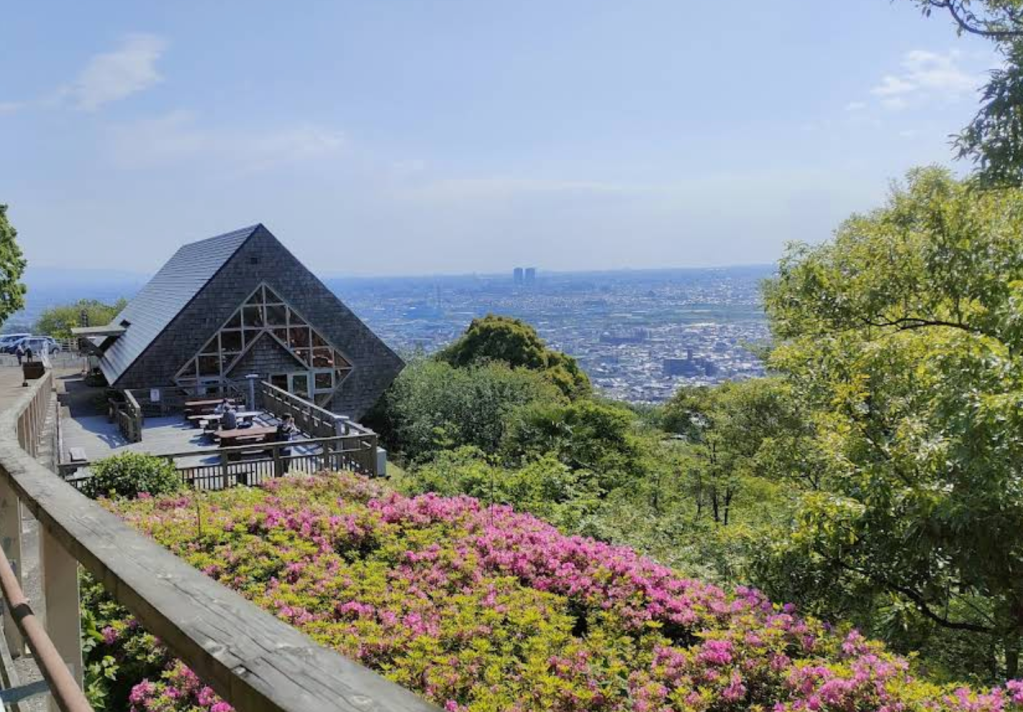
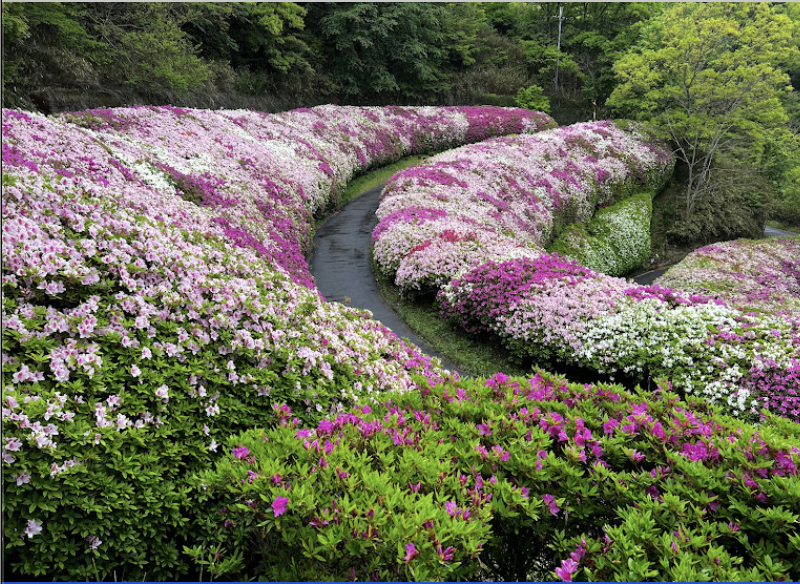
Continuing your hike will come with a reward! it will lead you towards an observation deck known as Hiraoka Observatory. You will be met with absolutely breathtaking views from here. I won’t ruin the reward for you. A short walk further then leads you to the end of your hike – the beautiful Tsutsuju Flowers Road, which has a stunning natural display of flowers! This is a great place to end your hike and have a rest before making your way back down the route toward the train station.
Make your way back down toward the train station and be sure to get the train back from Platform 2 toward Osaka. Alternatively Platform 1 will take you towards the popular deer spot – Nara!
Top tips for the hike
When I went on the hike in mid-march it was quite humid that day 23°, I don’t recommend hiking far in the height of summer when it will be too hot. There are signs for forest fires and snakes on your hike – so be sure to keep an eye out. I personally didn’t see any snakes. Here are my tips:
Make sure you bring your own food and drink
Wear a hat and cover your arms and legs because there’s quite a few midges and potentially mosquitoes.
Take photos of the route on your way around so you don’t get lost and have a reference point.
Be careful on the road and watch out for cars and bikes; though generally in Japan a lot of people seem to drive very respectfully.
People live on part of the route so make sure that you remain respectful don’t take photos of them.
Be prepared for your hikes! Mont-bell is a very popular brand that most hikers wear in Japan.
When you think of Osaka, hiking isn’t the first to spring to mind. Despite this, Osaka is great for hiking if you know where to go. If you’re seeking a hike just outside of the city, and within easy reach by train, the Kisen Alps are a hidden gem. The Kisen Alps are a series of rolling peaks located on the Osaka-Wakayama prefectural border. Despite their close proximity to the big city, the mountains are relatively unspoiled and completely natural, without a single cedar tree in sight.
Access
To get to the Kisen Apls, from Tennoji station (天王時駅) take a train on the JR Wakayama line and get off at Yamanakadani (山中渓駅). An express train should take about 45 minutes or so. Please note that this is an unmanned station.
Level of difficulty: 2 out of 5 (elevation change ~200m). The duration of the hike can last between 4-6hrs and cover a distance of 12.3km.
The Adventure Begins
Go through the unmanned ticket gates, and turn right on the small paved road in front of the station. Turn right at the next street, where you’ll cross a small river and the railroad tracks. Follow the signs to Kisen Alps (記泉アルプス), turning left at the sign, and then right up a small dirt road. This road eventually becomes the trailhead, as you pass through a very funky entrance gate. The path climbs rather steeply at first, paralleling a large expressway. The traffic noise is pretty loud, but you’ll soon leave that all behind and enter a magical wonderland of beautiful flora. I have no idea why this area was spared of the post-war deforestation, but I’m so happy it was.
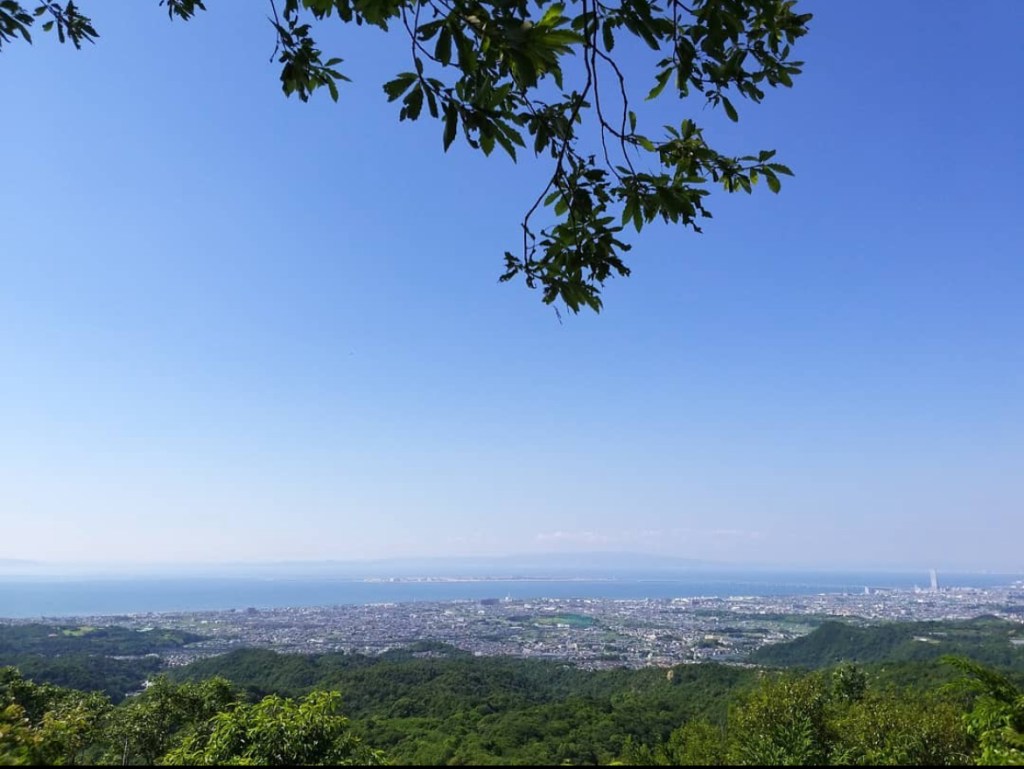
As you hike, imagine how beautiful this country must’ve been hundreds of years ago, when every single forest looked just like this! Keep your eyes out for snakes and wild boar, as there are quite a few in this area. After about 30 minutes of climbing, you’ll reach the ridgeline and a trail junction. Head to the right for about 20 meters to reach a wonderful clearing with excellent views of Kansai airport and Osaka bay. Take some photos and head back to the junction.
The Ridgeline and Unzenbou Peak
The trail follows the entire mountain ridge, and your target is the high point called Unzenbou (雲仙峰). There’s a considerable amount of up and down between here and the top, but it’s not too difficult. There are lots of places to take breaks and enjoy the outstanding scenery. You should reach the peak in about 2 hours or so. Just below the top, you’ll come across a 3-way junction with beautiful bilingual signposts. Yep, you’ve officially entered Wakayama prefecture, where they seem to have more money in their budget for trail maintenance. Continue on to the top of Unzenbou. There’s not much of a view from here, so after taking a break continue down the other side. In about 10 minutes, you’ll come across yet another trail junction, with magnificent views of Wakayama city and the Pacific Ocean. Turn left at the junction and you’ll reach a well-maintained public park with lots of benches and a gazebo. This is a great place for a picnic or a nap on a pleasant day.
The Final Stretch
From here, trails split off in all directions, and you’ve got lots of options. I’d recommend following the signs to Kii station (紀伊駅). It should take about 90 minutes or so from the park to the station, and there are lots of different trails you have to take, so follow the signs carefully. Just before the trail dumps you out on a road, you’ll pass through a bamboo forest that is hauntingly beautiful at dusk. From Kii station, you can catch a JR train back to Tennoji.
When to go
This hike can be done year round, but I’ve been told that autumn is the best time to see the forests in all their glory. If you’re wondering where to hike around Osaka – put Kisen Alps on your list as one of the most scenic hikes in Osaka, Japan.
Have you been on this hike? let me know how you found it in the comments!






 Visit Osaka