Category: days out

  • Nagai Botanical Gardens & Osaka Museum of Natural History

    Nagai Botanical Gardens & Osaka Museum of Natural History

    Looking for an unforgettable day in Osaka? Whether you’re exploring on your own, planning a family outing, or seeking a romantic evening, Nagai Park will deliver. Featuring the romantic Nagai Botanical Garden (turning into TeamLab Botanical Garden at night) and the Osaka Museum of Natural History, this destination blends nature, education, and art in one location.

    Wander Through the Nagai Botanical Garden
    The Nagai Botanical Garden is one of the best botanical gardens in Osaka. Covering over 240,000 square meters, this green oasis is home to thousands of plant species. Depending on the time of year, you’ll encounter a display of cherry blossoms in spring, hydrangeas in summer, autumn foliage, or winter flowers like camellias. The seasonal flower displays make it a top spot for photographers, couples, and families alike.

    Key attractions within the garden:

    • A rainbow bridge: the perfect spot for a photo!
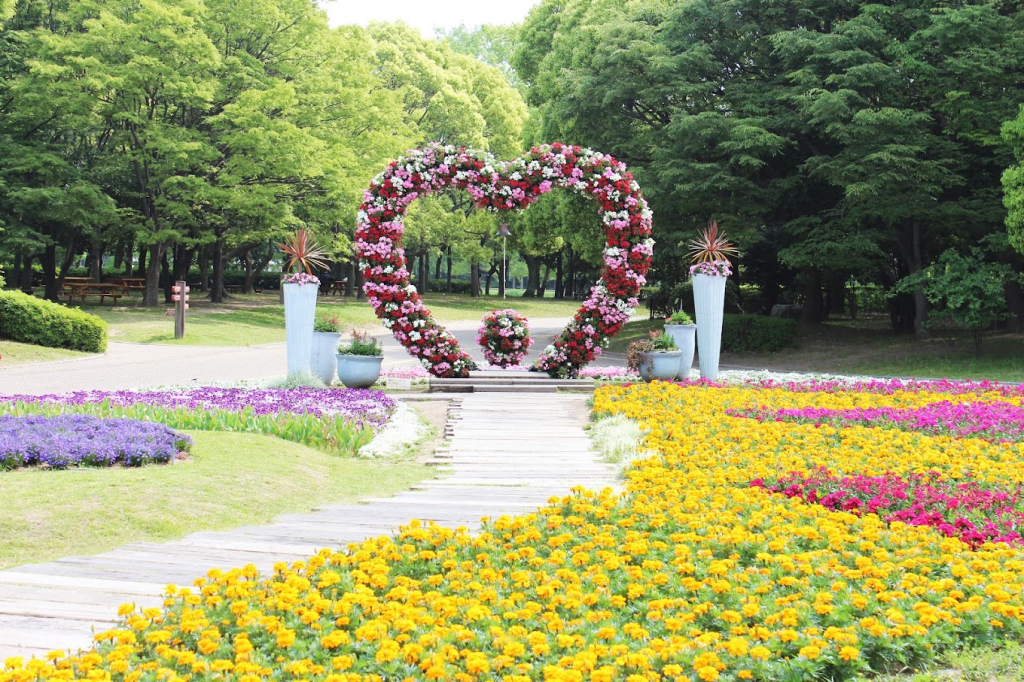
    • Heart-shaped flowerbed: A favorite for Instagram photos and a must-see for couples visiting Osaka.
    • Aquatic plant ponds: Featuring vibrant lotus flowers and tranquil water lilies.
    • Rose garden: A fragrant highlight during early summer and late autumn.
    • Wooded walking paths: Perfect for a peaceful escape from the city.

    Families will love the butterfly garden, and nature enthusiasts can join guided tours to learn more about the ecosystems of Osaka and beyond. It’s a relaxing experience, making it one of the most family-friendly places in Osaka.

    Midday: Discover the Osaka Museum of Natural History
    After soaking up the greenery, head to the Osaka Museum of Natural History, located in the same park. A favorite among visitors searching for educational activities in Osaka, this museum offers a fascinating look into the natural world without the need for much walking.

    The museum is packed with displays covering fossils, geology, and biodiversity. Interactive exhibits and life-sized dioramas make it a hit with kids and adults. Highlights include:

    • Dinosaur skeletons: A classic must-see for fans of natural history.
    • Local Osaka ecosystems: Learn about the unique plants and animals found in the Kansai region.
    • Immersive exhibits: for wanting to understand Earth’s history.

    Planning a trip with kids? The museum has hands-on activities that make learning about nature fun and engaging. It’s no surprise this spot is often featured in searches for family-friendly museums in Osaka.

    Evening: Experience the Magic of TeamLab Botanical Garden
    As the sun sets, the Nagai Botanical Garden transforms into the TeamLab Botanical Garden, an interactive digital art experience that’s among the top things to do in Osaka at night. If you’re wondering if TeamLab Botanical Garden is worth it – it absolutely is! Its also the only TeamLab in Osaka. After visiting the museum, you can simply walk back into the botanical gardens from the museum to experience the different side of the park & your kids wouldn’t suspect its the same park!

    The gardens come alive with:

    • Interactive light displays: Paths glow as you walk, and lights respond to your movements.
    • Shimmering trees and ponds: Illuminations reflect off the water, creating breathtaking visuals.
    • Seasonal installations: These change throughout the year, so there’s always something new to see.

    A visit here is often listed as one of the most romantic things to do in Osaka, and it’s easy to see why. Bring a camera —this experience is perfect for couples, families, and solo travelers alike.

    How to Get to Nagai Park
    Nagai Park is one of the easiest day trips from central Osaka. If you’re travelling using the Osaka Metro: Take the Midosuji Line to Nagai Station (Exit 3), then walk 8 minutes. If you’re travelling using the JR Hanwa Line: Get off at Nagai Station (East Exit), and it’s a 10-minute walk.

    For those driving, parking is available, but it can fill quickly on weekends and holidays. If you’re planning to visit during the evening, public transport is highly recommended.

    Ticket Information & Hours
    Nagai Botanical Garden

    Daytime: 9:30 AM–5:00 PM (last entry 4:30 PM).

    Night (TeamLab): 6:00 PM–10:00 PM (hours may vary).

    Tickets: ¥300 for adults, ¥200 for students, and free for children during the day. TeamLab admission: ¥1,500 for adults, ¥800 for students, free for young children.

    Osaka Museum of Natural History

    9:30 AM–5:00 PM (last entry 4:30 PM).

    Tickets: ¥300 for adults, ¥200 for students, and free for children.
  • Step back in time at Hattori Ryokuchi Park

    Step back in time at Hattori Ryokuchi Park

    If you’re wondering whether Osaka has green spaces – yes! it does. Spread over 126 hectares, Hattori Ryokuchi Park is one of Osaka’s largest green spaces. The park is divided into various zones, offering something for everyone.

    Just a short train ride from central Osaka, Hattori Ryokuchi Park offers a peaceful retreat into both nature and history. Here, you will be able to see Old Japanese Farmhouses, spot turtles swimming in the ponds and take a walk through the Bamboo lined Mount Inari. Located in Toyonaka City, this sprawling park provides something for everyone!

    Getting to Hattori Ryokuchi Park

    Hattori Ryokuchi Park is very easy to get to from Umeda Station. Take the Midosuji Line (on the Kita-Osaka Kyuko Railway) and get off at Ryokuchi-koen Station. This blog provides you with some of the main highlights to include in your visit.

    Visit the Open-Air Museum of Old Japanese Farmhouses ‘Komnika’

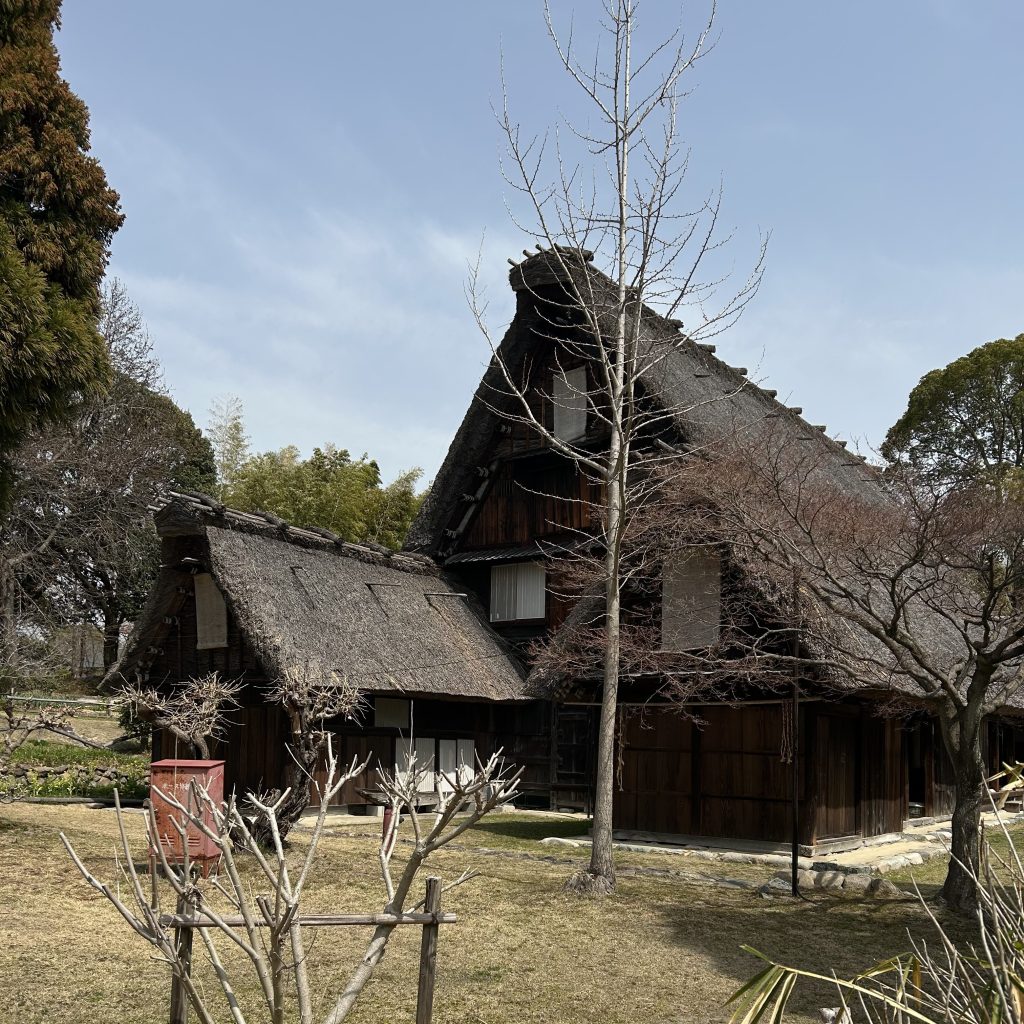
    If you’re wondering where you can see Japanese Farmhouses in Japan, I have good news! One of the park’s standout attractions is the Open-Air Museum of Old Japanese Farmhouses. A Japanese Farmhouse is called a ‘Kominka’. Komnika are built in a very distinctive and nostalgic style showcasing the traditional houses of rural Japan.

    The unique outdoor museum showcases traditional Komnika from different regions of Japan, reconstructed to transport visitors back in time. This is a rare open-air museum that has relocated and restored representative houses from all over Japan, including a gassho-style house from Shirakawa Village, Ono County, Gifu Prefecture, a curved house from southern Iwate Prefecture, and a raised storehouse from Amami Oshima.

    As you wander through the grounds, you’ll get a glimpse of rural life in Japan’s past, complete with thatched roofs, traditional furnishings, and tools used for farming. Be sure to take cash with you as the entrance fee (800-yen for adults) is payable by cash-only. For anyone curious about Japanese culture, this museum is a must-visit. Guided tours and occasional workshops add depth to the experience, making it educational as well as enjoyable.

    Take a walk along Bamboo Trails and Gardens

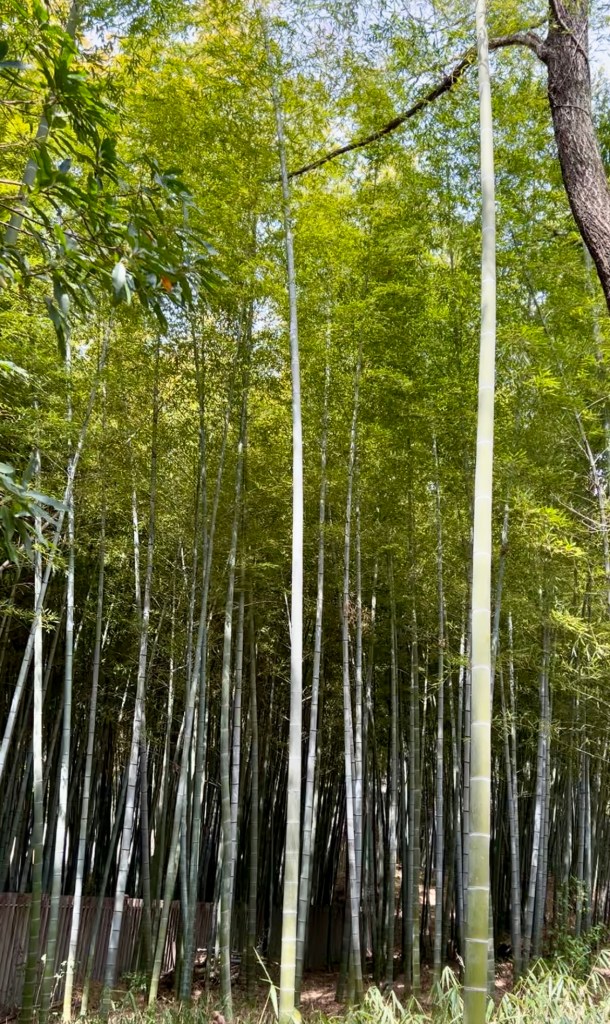
    Yes – there are bamboo forests in Osaka! Hattori Ryokuchi Park is home to extensive walking paths that wind through calming bamboo trees around tranquil ponds where you may spot turtles swimming about. I was surprised at the sheer volume of bamboo trees around the Mount Inari side of the park – I would recommend visiting here instead of the Arashiyama Bamboo forest in Kyoto for a much quieter spot to see bamboo trees in Japan. Speaking to a Japanese lady while on my walk, she said that these specific bamboo trees were ones that would be cut down for people to eat.

    Bamboo Trees

    Visit the Beautiful nearby Botanical Gardens

    Just a short walk from the park and you will find Hattori Ryokuchi Toshiryoka Botanical Gardens – this beautiful place is located on the southwest side of Hattori Ryokuchi Park. It contains an arboretum with over 700 species of camellia, a park with 2,500 cherry trees, a bamboo garden with a secret shrine, playgrounds for kids, a huge greenhouse, and much more. It’s open daily (besides Tuesdays) from 10:00 am until 5:00 pm. The best time to come here is during the cherry blossom season at the beginning of April.

    Recreation and Family Fun

    For those traveling with kids or looking for outdoor activities, the park offers plenty of options. You’ll find open fields for picnics, bbq’s, playgrounds, and even facilities for horseback riding. During weekends and holidays, the park often hosts events such as flea markets, food fairs, and live performances, adding a festive vibe to your visit.

    Treats

    After exploring the park, take a break at one of the tea houses or cafes within the grounds. Many of them serve matcha (green tea) and traditional Japanese sweets, a perfect way to recharge while soaking in the tranquil atmosphere. If you’re picnicking, consider bringing along some bento boxes from local shops to enjoy under the shade of a tree.

    Tips for Your Visit

    • Timing: Plan your visit in the morning or late afternoon to enjoy cooler temperatures and softer light for photography.
    • Seasonal Highlights: Check the calendar for seasonal events like cherry blossom viewing in spring or moon-viewing festivals in autumn.
    • Footwear: Wear comfortable shoes as you’ll likely do a fair amount of walking.
    • Admission Fees: Entry to the park is free, but some attractions, like the Open-Air Museum, have a small fee. Make sure to take cash!

    Is Hattori Ryokuchi Park worth visiting?

    Yes! Hattori Ryokuchi Park is a hidden gem that showcases a different side of Osaka and an ideal place to reconnect with nature. Whether you’re a solo traveler seeking tranquility, a family looking for a fun day out, or a couple wanting a romantic stroll, this park delivers a memorable experience. So, next time you’re in Osaka, step away from the city’s hustle and immerse yourself in the natural beauty and cultural richness of Hattori Ryokuchi Park.

    Have you visited Hattori Ryokuchi Park? Share your experiences and tips in the comments below!

  • Minoh Falls Hike: An Easy Day Trip from Osaka

    Minoh Falls Hike: An Easy Day Trip from Osaka

    Don’t go chasing waterfalls, or do! If you’re a person who craves being in nature like me, you’ll be pleased to find out that Minoh Park (also spelled Minoo or Mino) is an easy day-trip to escape the bustle of the city. Minoh Park is located just 30-minutes to the north of Osaka and is famous for its tranquil hiking trails and waterfalls.

    Minoh Falls is one of the most iconic waterfalls in Japan. In spring, Minoh Park is an ideal location to view cherry blossoms, while autumn transforms the park into a canvas of warm hues, making it one of the Kansai region’s best spots for koyo (autumn leaf viewing).

    How to get to Minoh Falls

    To get to Minoh Falls, catch the Hankyu Takarazuka Line from Osaka to Ishibashi-handaimae Station, then transfer to the Hankyu Minoh Line to reach Minoh. This will bring you to Minoh Station (Mino-o) – the park’s entrance.

    From Mino-o Station, you can either choose to follow the hiking route, or catch the one-way sightseeing bus directly from the train station. The sightseeing bus will take you to Katsuoji-Temple first, so if you’d like to combine this with your trip to the falls this is a great option.

    Travel tip: If the sightseeing bus isn’t operating from Mino-o Station on the day that you visit, you could get the train to Minoh-kayano Station and catch a local bus up to Katsuoji Temple before walking down to see the falls. Or get a taxi!

    The Hiking Trail

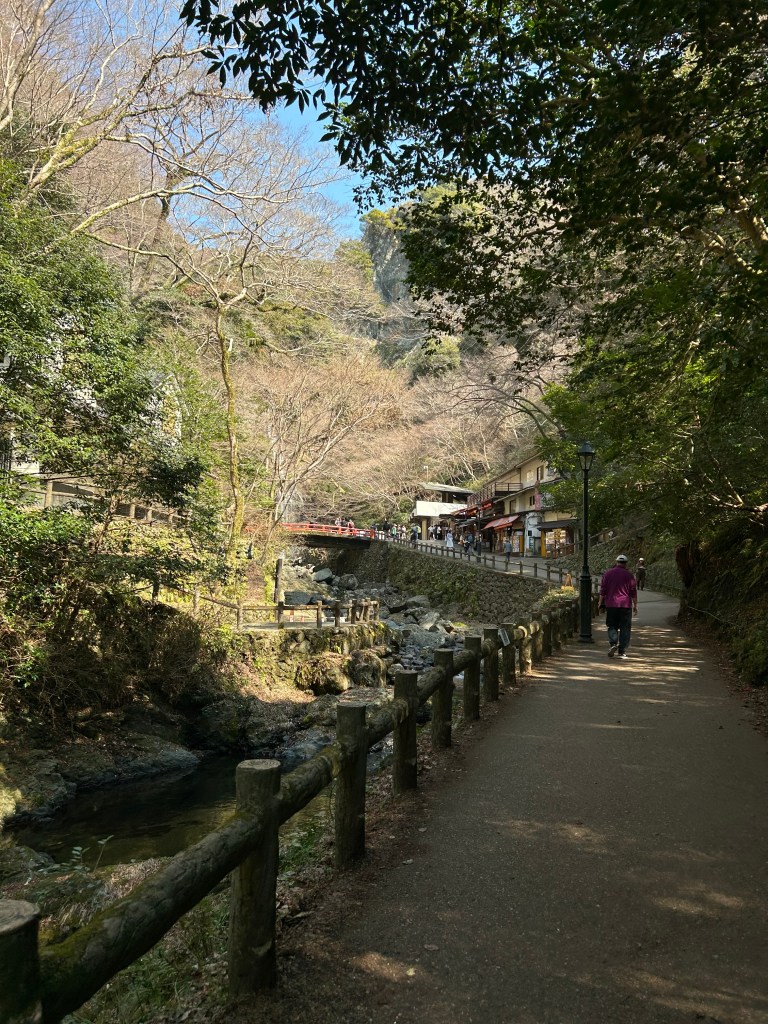
    The hiking trail is located just a five-minute walk north of Mino-o Station. You will enter the park via a bridge across the River Minoh where you can then follow signage to get to the falls. Navigating the main route is super easy! The main signposted trail to Minoh Falls is a gentle 2.8-kilometer path that winds through a forest landscape and adjacent to the Minoh River. With a paved route and a gradual incline, it’s accessible for hikers of all levels, and suitable for those with pushchairs or wheelchairs. Yes – this is a hike that you can do easily with children. You’ll also be happy to know that there are also nine public toilets en route.

    Along the main route, you have the opportunity to stop by the peaceful Bhuddist temple – Ryuanji Temple. Ryuanji Temple is one of the most peaceful temples that I have visited so far in Osaka. You can also check out Minoh Park Insectarium and local shops selling the famous momiji tempura—crispy deep-fried maple leaves, a must-try snack. Be sure to have cash with you as some vendors only accept cash payment.

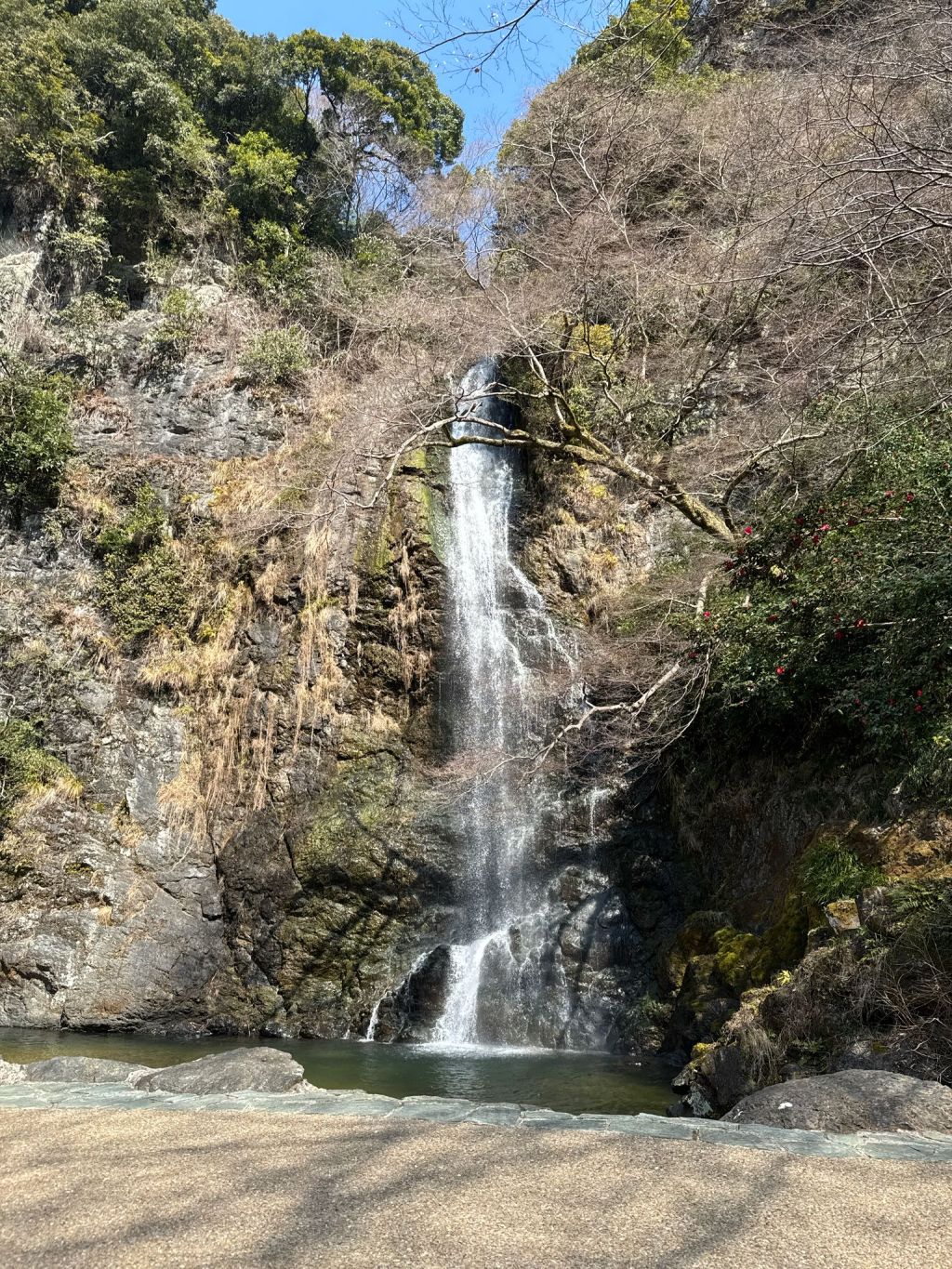
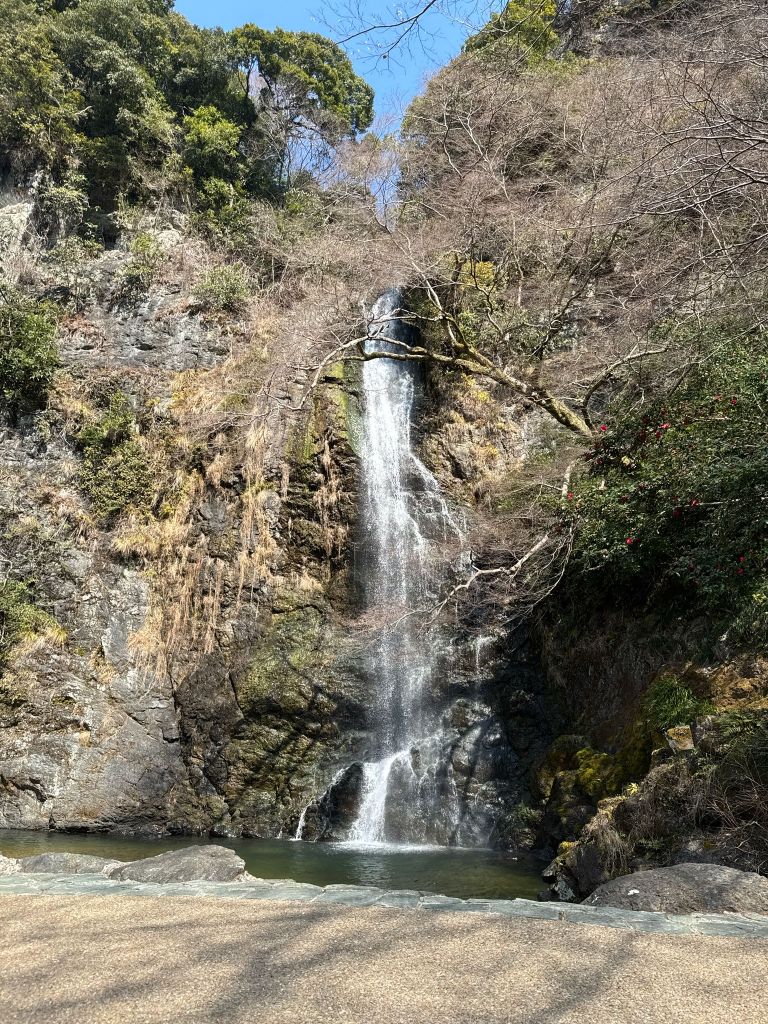
    After walking for around 45 minutes, you’ll arrive at Minoh Falls, the 33-meter cascade and prime photo spot. The beauty of the falls changes with the seasons: red and gold leaves in autumn, vibrant greens in summer, and a quietness in winter. Take a moment to soak in the scenery and snap a few photos—this is the perfect spot for a rest.

    Minoh Falls

    Travel tip: Visit early in the morning or on a weekday if you can to avoid crowds and enjoy the falls in peaceful solitude.

    On your route back down, be sure to dip your feet into the free foot bath located along the main walking route to/from the train station to soothe your achey feet.

    Climb to the observation deck

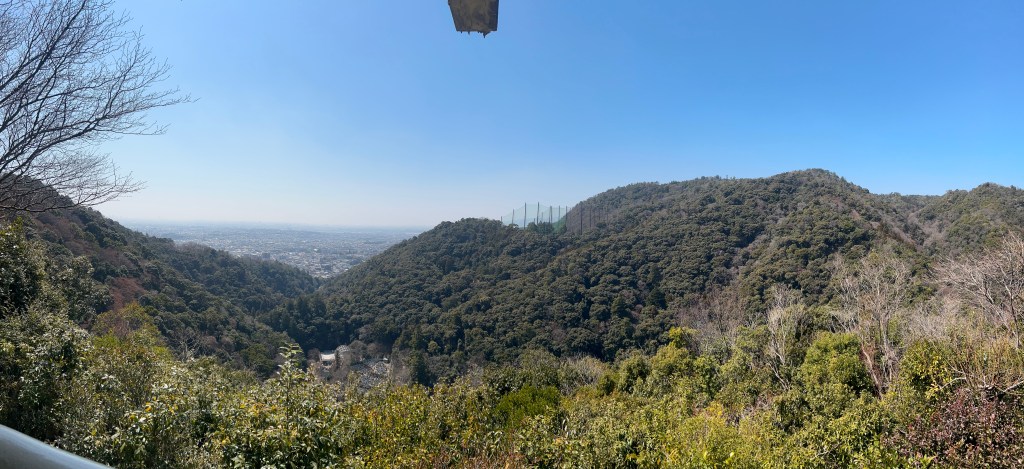
    There is an incredible view of Osaka which is signposted during your walk along the main path. The walk to the observation deck is not an easy walk up and you will need to climb a fair amount of stairs to get to it. I climbed to the deck after visiting the falls and I’m glad that I did. Check out the view below!

    View from the observation deck

    Travel tip: Climb to the viewing point after viewing the falls, if you do it before, your legs may be tired.

    Feeling adventurous?

    If you want to stray off the main hiking trail and delve further into the forest, there are a few options available to you. The two main options involve making your way north past the falls to the Visitor Centre before deciding to go either:

    • North to reach the Minoogawa Dam where you will be greeted with scenic views of the weir. If you head north, you could also extend your hike to include a visit to Katsuoji-temple. If you choose to do this, you will add an additional 45-minutes of walking uphill, but then the reward is that you can get a local bus back down from the temple directly to the train station!
    • South via forest paths to see Saigaharaike Pond. If you choose to enter the forest routes, keep an eye out for Japanese macaques and do not feed them; these curious monkeys sometimes make an appearance.

    Final thoughts

    Your day exploring Minoh Park can be as long as you want it to be. It is suitable for all ages and abilities. Minoh Park and Falls provides both a kid friendly, easy hike and an opportunity for a walking adventure through the forest. I highly recommend visiting for a day-trip, you can definitely visit Minoh Park and Falls in one-day. Happy hiking! Let me know what you get up to in the comments when you visit.

  • The Ultimate Guide to Universal Studios Japan (USJ): Tips, Attractions, and Costs

    The Ultimate Guide to Universal Studios Japan (USJ): Tips, Attractions, and Costs

    When visiting Osaka, Universal Studios Japan (USJ) is an absolute must-see destination. Known for its thrilling rides, immersive experiences, and world-class attractions, USJ offers something for everyone. In this guide, I’ll cover everything from entry tips and queue-beating strategies to the best rides, food options, and costs.

    How do you get to USJ?

    USJ is located in the Konohana Ward of Osaka, easily accessible via public transport. Take the JR Yumesaki Line from Osaka Station to Universal City Station. The journey takes just 15-minutes and costs approximately 180 yen.

    Tips for Entry and Beating the Queues

    Buy Tickets in Advance: Purchase tickets online or from authorised retailers to avoid long queues at the gate. Prices for a 1-day studio pass are around 8,600 yen (£50) for adults and 5,600 yen (£32) for children.

    • Arrive Early: The park opens at 8:30 AM, but arriving an hour early gives you a head start to popular attractions.
    • Use the Universal Express Pass: This add-on (starting from 7,800 yen/£45) lets you skip the lines at select rides. Options include Express 4 Pass (4 attractions) or Express 7 Pass (7 attractions).
    • Visit on Weekdays: Weekends and holidays can be packed. Aim for a weekday visit during non-peak seasons (March-May, September-November).
    • Download the USJ App: Use the app for real-time updates on ride wait times, park maps, and show schedules.
    • Plan Your Route: Start with the most popular rides (e.g., The Wizarding World of Harry Potter) and work your way through the park.

    Do I need timed entry tickets at USJ?

    Yes – USJ often requires timed entry tickets for certain popular attractions or areas, such as the Super Nintendo World. These timed-entry tickets are typically free but must be reserved in advance or on the day of your visit using the official USJ app or kiosks in the park.

    Here’s how tickets work:

    • General Admission: You only need a regular park ticket to enter the park itself.
    • Timed Entry Areas: For specific zones like Super Nintendo World, you need a timed entry ticket in addition to your regular ticket. These can be reserved through the app or distributed on-site, depending on availability.

    To ensure a smooth visit, I recommend you download the Universal Studios Japan app to reserve timed entry tickets as soon as they become available OR arrive very early if you plan to secure these tickets in the park.

    What are the main attractions and rides at USJ?

    The Wizarding World of Harry Potter:

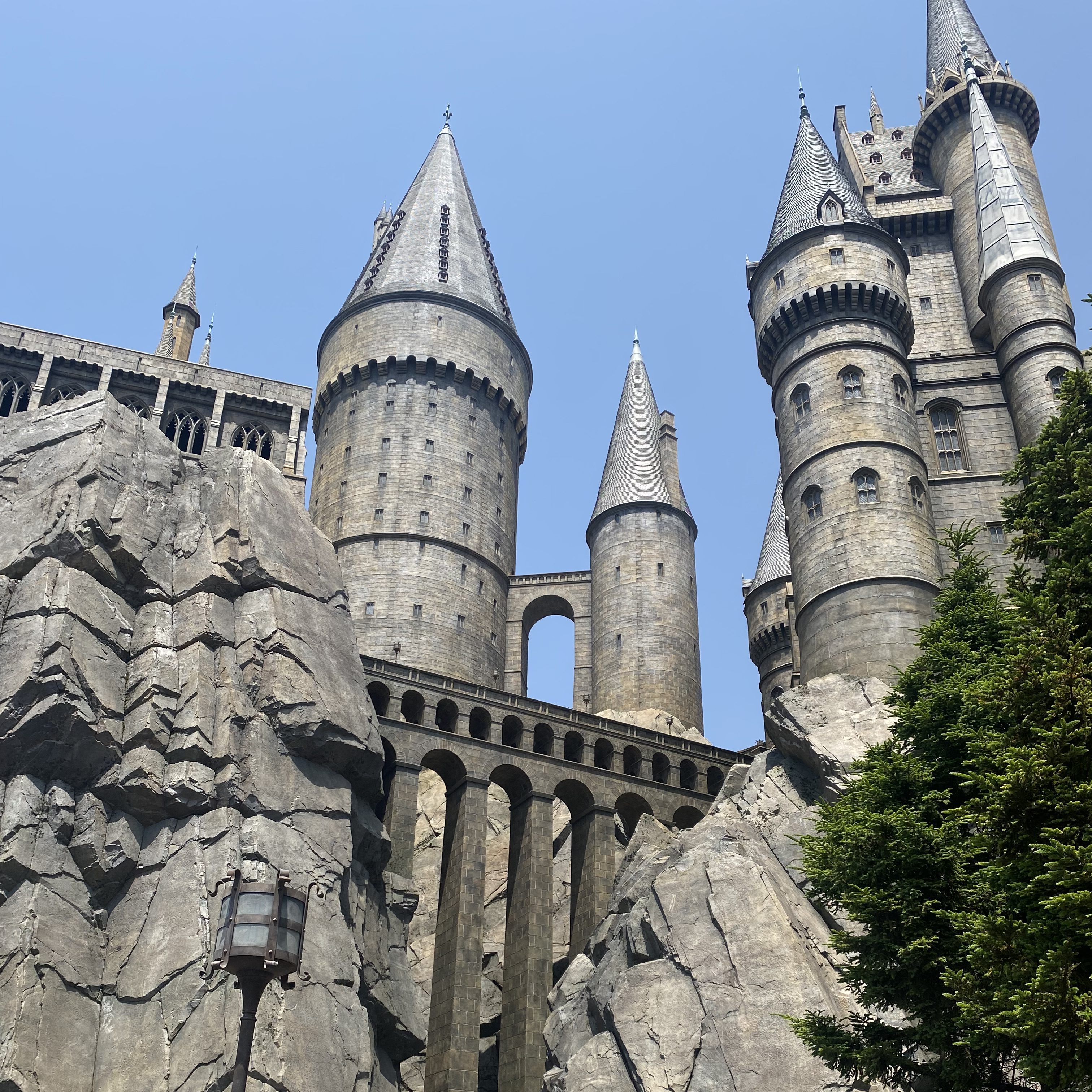
    • Ride: Harry Potter and the Forbidden Journey (4K 3D experience inside Hogwarts).
    • Tip: Get a timed-entry ticket to secure your spot in this popular area.

    Super Nintendo World:

    • Rides: Mario Kart: Koopa’s Challenge and Yoshi’s Adventure.
    • Highlights: Interactive activities using a Power-Up Band (3,800 yen/£22).

    Jurassic Park:

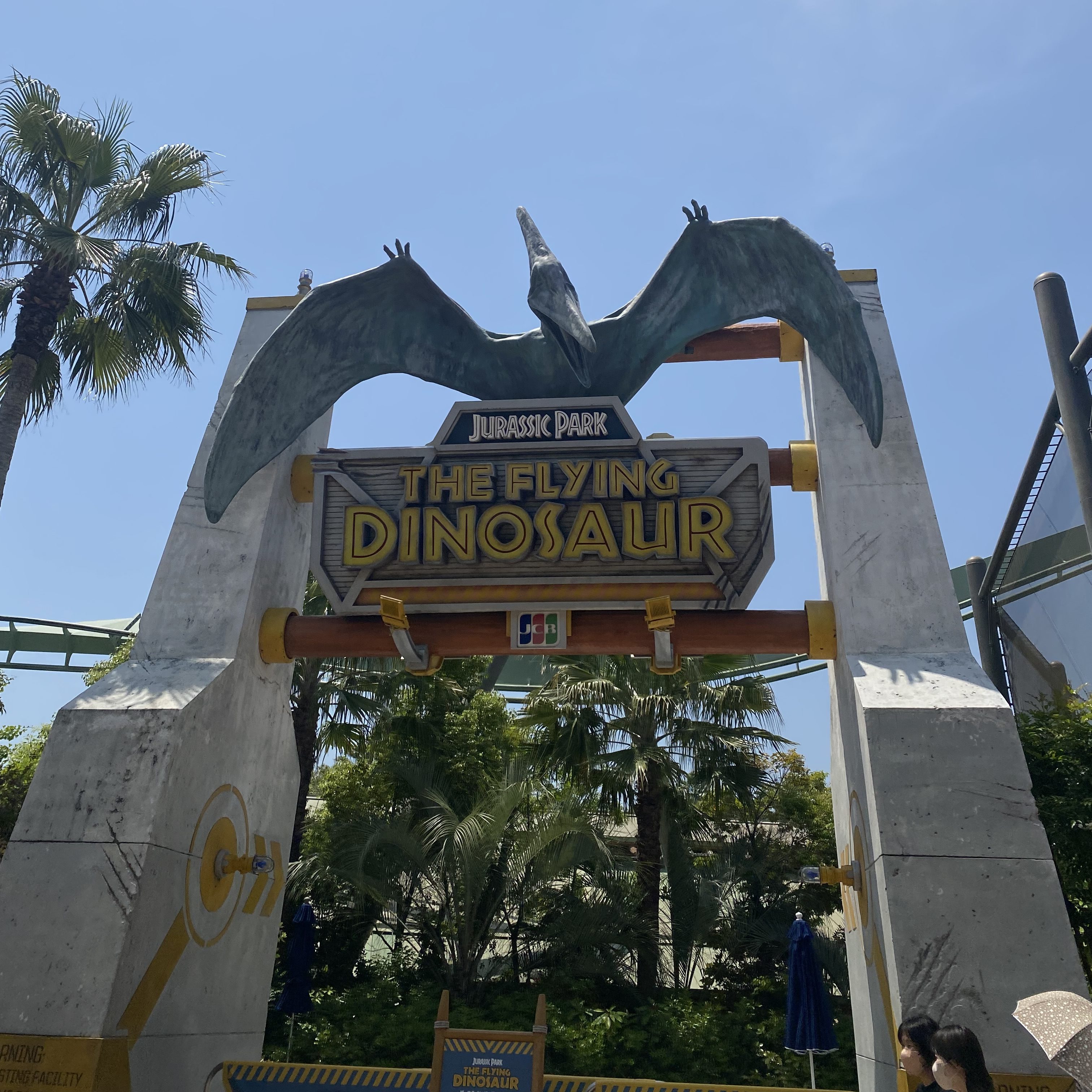
    • Ride: The Flying Dinosaur (a thrilling rollercoaster). Perfect for adrenaline junkies!

    Despicable Me Minion Mayhem: A 3D ride perfect for families.

    Hollywood Dream: The Ride: A high-speed rollercoaster with optional backward seating (Backdrop).

    Spider-Man: The Ride 4K3D: A multi-sensory superhero experience.

    What is there to eat at USJ?

    • Butterbeer: A must-try drink in The Wizarding World of Harry Potter (non-alcoholic, 800 yen/£4.70).
    • Mario-themed Treats: Super Nintendo World offers adorable snacks like Block popcorn buckets and Toad’s Cafe dishes (1,500–2,500 yen/£9-£14).
    • Classic Theme Park Food: Turkey legs (950 yen/£5.50), churros (600 yen/£3.50), and themed bento boxes.
    • Fine Dining: Try Amity Landing Restaurant for seafood or Finnegan’s Bar & Grill for Western dishes (2,000–3,500 yen/£11-£20 per meal).

    When is the best time to visit USJ?

    While USJ is a great attraction all-year round. Spring is the bestt time to visit (March-May) as you will enjoy pleasant weather and cherry blossoms nearby. Autumn (September-November) provides cooler temperatures and fun Halloween-themed events.

    Avoid Peak Seasons: Golden Week (late April–early May), Obon (mid-August), and school holidays.

    How much does USJ cost?

    USJ is insanely cheap compared to other Universal Studios around the world and you can buy an annual pass for just 38,400 yen (£222) that grants you access all year round! I’ve provided a cost comparison table below to help you.

    ItemCost in YenCost in GBP
    1-Day Studio Pass (Adult)8,600£50
    1-Day Studio Pass (Child)5,600£32
    Express Pass (From)7,800£45
    Food (Per Meal)2,000–3,500£11–£20
    Power-Up Band3,800£22
    Souvenirs (Average)1,000–5,000£5.50–£29

    Is one day at USJ enough?

    Yes – If you get there early, and plan ahead, you can tick off all of the rides you want to go on within one-day. I highly recommend booking a timed entry ticket to the popular rides such as Nintendo World in advance using the app, OR as soon as you get to the park!

  • Bathe in Nature at Tsrumi-Ryokuchi Park

    Bathe in Nature at Tsrumi-Ryokuchi Park

    Tsurumi-Ryokuchi Park is located on the lime green subway route and can be easily accessed from near Osaka Castle (Morinomiya station). The park was home to the 1990 International Garden and Greenery Expo, where different countries showcase flowers and landscaped areas. This is where the park gets its title as the ‘Osaka Expo ‘90 Commemorative Park’.

    Hire a scooter for the day

    Upon entering the park I noticed that you can hire a bike or hire some futuristic looking e-scooters and mobility scooters which I discovered were called Tsuru Mobi. To ride the Tsurumobi, all passengers must register as members and make a reservation in advance, so bear this in mind before your trip. As this was my first time visiting, I decided to walk to make sure I didn’t wizz past something worth exploring more. I checked the park map before making my way around. The map of the park looked big, and I was excited to explore it.

    Shortly after I entered, I spotted a tower which I now know is called the Tower of Life! Osaka city government closed the tower more than 10 years ago, due to declining tourist numbers, and had initially planned to demolish it. However, calls have emerged for the tower to be used to boost momentum for the Osaka-Kansai Expo in 2025. City officials say plans to topple the structure will go ahead without a feasible proposal to preserve it. I took a lot of photos of it, hoping that it will remain but knowing it could be demolished, and knew it would be a good point of reference during my park adventures.

    Tour the old-expo site and take a photo next to a windmill

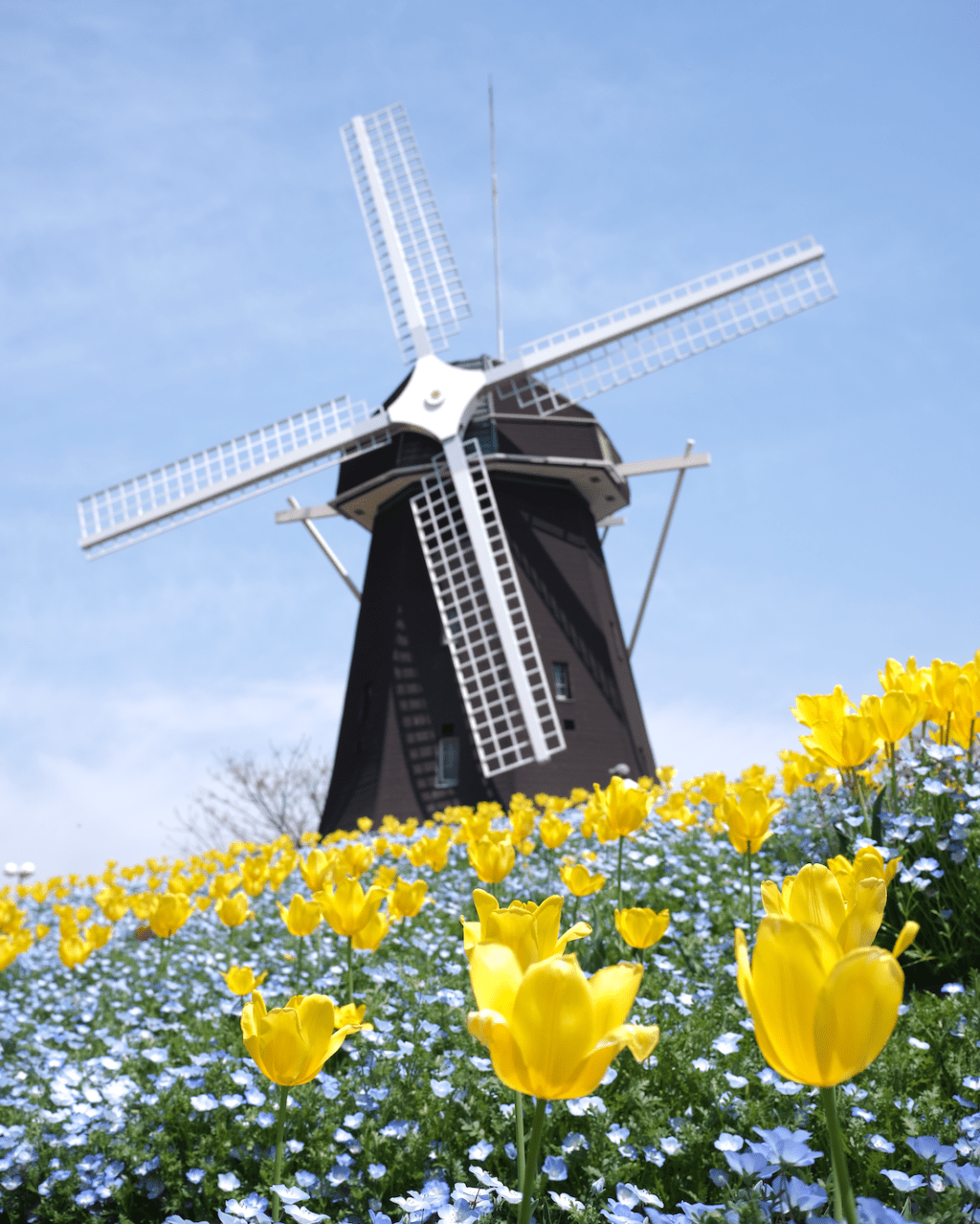
    After entering the park, if you head right, you will enter the site of the 1990s flower expo and will be met with displays from all around the world. The most iconic is the dutch-style windmill which is surrounded by impeccable rows of flowers all year round. The flowers vary from tulips in spring, to sunflowers in august and more prime photo opportunities throughout the year. The displays from all around the world have been restored recently, with highlights including a waterfall from Canada, and temples from China and South Korea.

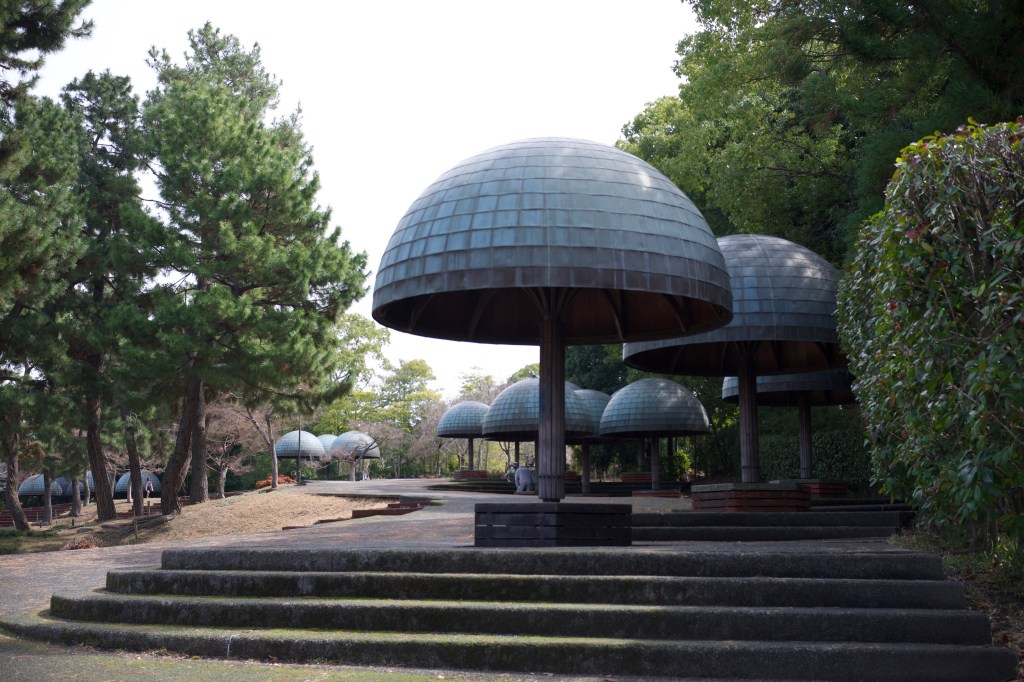
    Throughout the park, I noticed people sitting beneath mushroom-like shelters, and thought they looked really unique and cool in their design. Here is a photo!

    Mushroom Design Seating Areas

    Spot wildlife near the pond

    The large pond ‘Oike Pond’ in the centre of the park had a lot of birds flapping around, and herons perched quietly on rocks within the water. The backdrop of the pond included temples and a dutch-style windmill in the distance.

    On my way around, I found that the park has something for everyone, this includes a Horse Racing Track, a Forest Adventure filled with playgrounds for children, a BBQ and Camping area for those who want to camp in the park! If you wish to do this, remember to book in advance and bring your own tent.

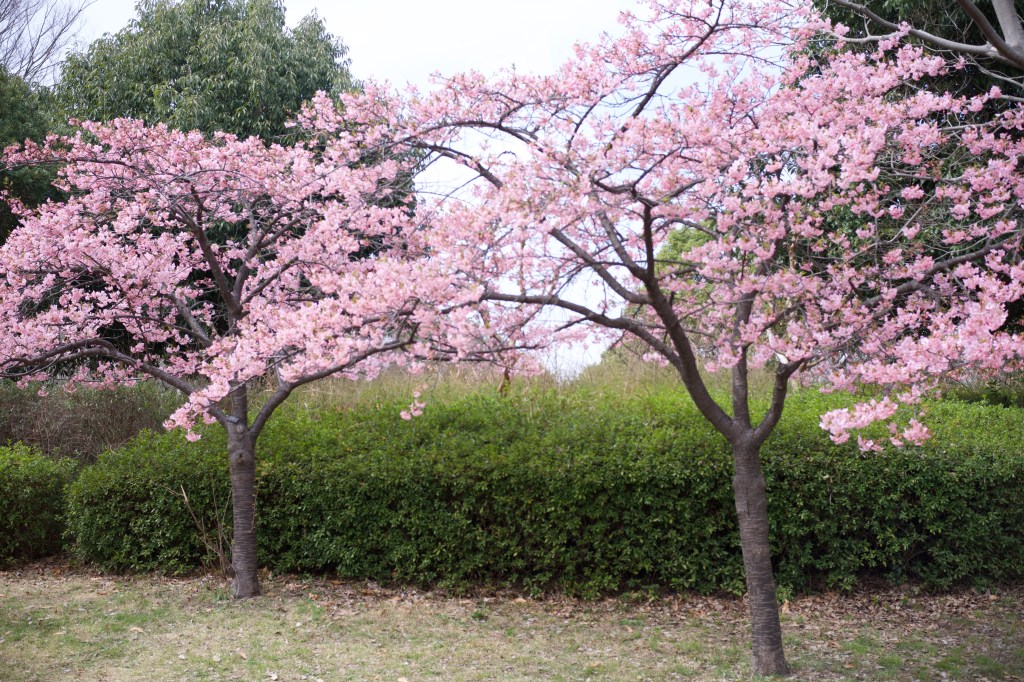
    The abundance of wildlife, flowers and trees in the park was what I noticed most. The Sakura (blossom) trees were blooming in mid-March. A lovely surprise as they’re not forecast in most areas until April. Locals were naturally gathered to take photos of this fleeting moment. I was suprised to discover that the park is also home to a large indoor botanical garden with over 15,000 plants! The park is called Sakuya Konohana Kan, which costs just ¥500 to enter.

    Sakura Blossom Trees

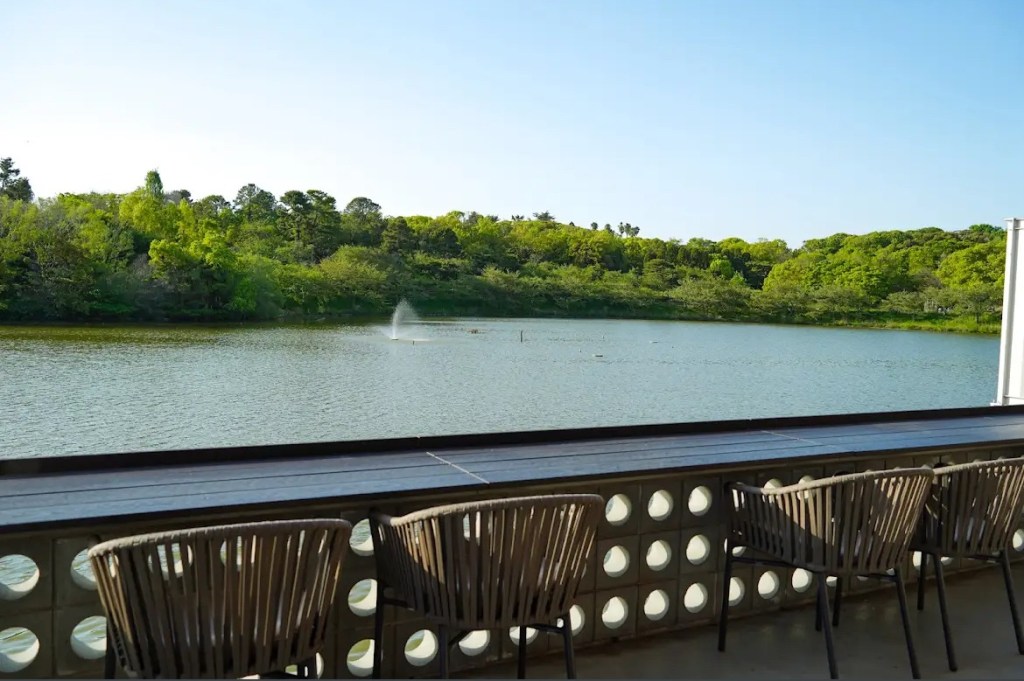
    My walk around the park lasted around 3 hours, so I can see why you can rent bikes and scooters near the entrance! At the end of my walk, i was quite hungry, so I stopped at the restaurant near Oike Pond. The restaurant is ideally named ‘Botanical House’ and has a lovely terraced dining area near the water. It is one of the best locations for a romantic dinner that I’ve found in Osaka so far. A perfect scene to end the day before catching the train or if you want further time to relax, Tsurumi Onsen Suishun is a public bath house and gym located directly opposite the train station.

    View from Botanical House Restaurant

    So, is Tsrumi Park worth visiting? Yes, absolutely, i’d say that Tsrumi Park is arguably the best park to visit in Osaka when it comes to the variety of activities, plants and nature. While the park can be enjoyed all year round, the best time to visit Tsrumi Park is in Spring (April-June) to see the flowers in bloom or toward Autumn (September-November).

  • Osaka History Museum

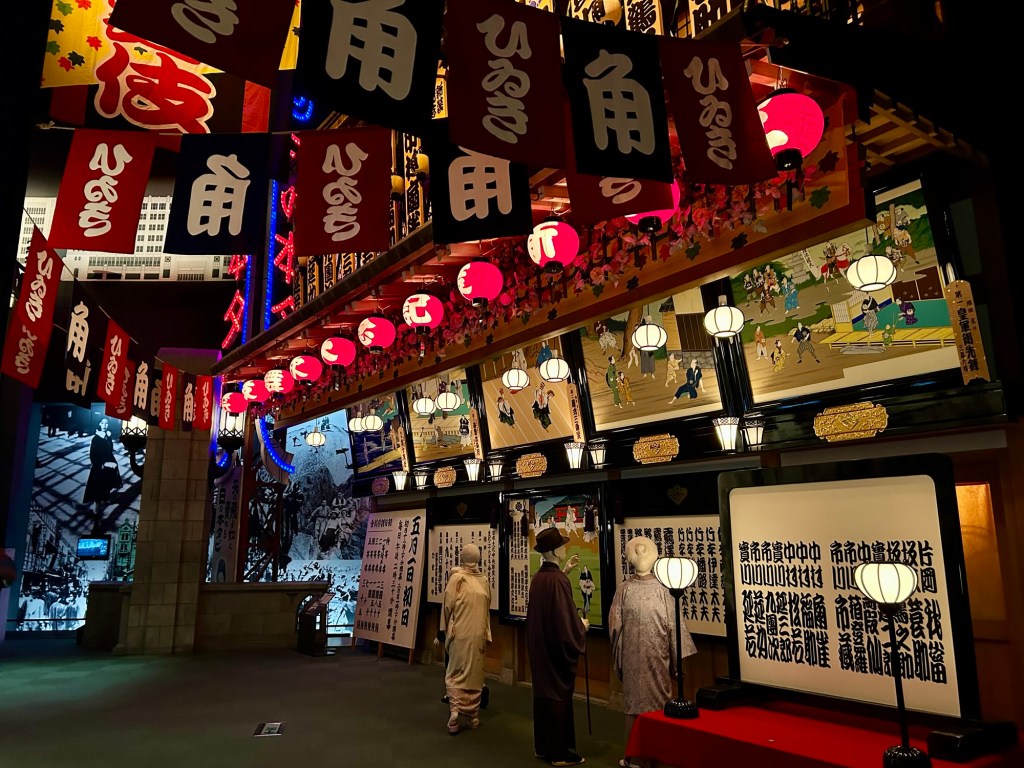
    Osaka History Museum

    A trip to the Osaka History Museum is a great thing to do on a rainy day in Osaka. It has something for all of the family alongside panoramic views on each level. The entrance fee is just ¥600 per person and the exhibits have english written alongside them as well as Japanese – very considerate for tourists!

    To reach the Osaka History Museum, I recommend taking a short walk from Tanimachi 4-chome Station. The route is straightforward and gives you a glimpse of Osaka’s vibrant cityscape before you step into its rich history. Along the way, you might pass small cafes and convenience stores—ideal for a quick refreshment before starting your visit.

    The museum itself is designed as a journey through time, starting at the top and working your way down floor by floor. This layout makes it easy to immerse yourself in Osaka’s evolving story, and it’s one of the reasons so many visitors praise the experience. A common question I see online is, “How much time should I spend here?” I’d recommend at least two to three hours to fully appreciate the exhibits and observation deck.

    What’s on Each Floor?

    • 10th Floor: Osaka Castle View and Ancient Osaka
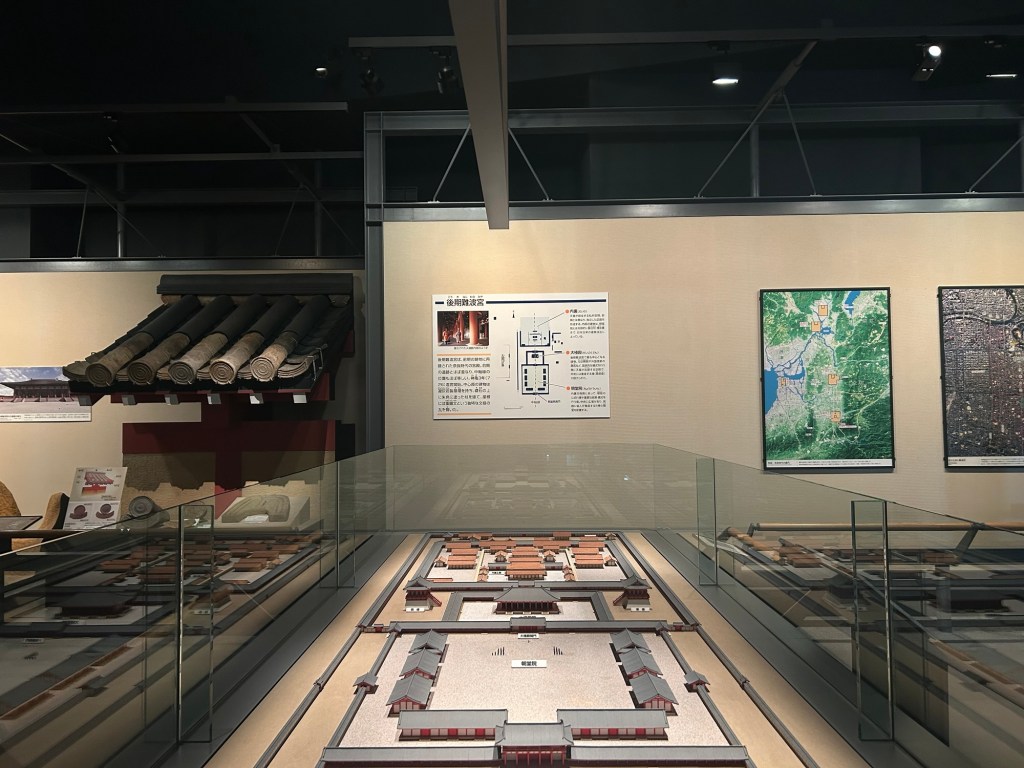
      Your journey begins on the 10th floor, where the observation deck offers stunning views of Osaka Castle and the city skyline. It’s a good spot for photos, especially on clear days. This floor also dives into Osaka’s early history, featuring artifacts and reconstructions from the Naniwa Palace, a 7th-century imperial residence. Many visitors ask, “Are the exhibits interactive?” The answer here is yes—you can walk through models and dioramas that recreate the grandeur of the palace and its role in Osaka’s early political and cultural life. Kids can also enjoy getting hands on in the archeology section.
    • 9th Floor: Osaka as a Merchant Hub
      Moving down to the 9th floor, you’ll explore the Edo period, when Osaka flourished as a center of trade and commerce. The exhibits include a detailed recreation of a bustling 17th-century merchant district, complete with miniature models and vibrant storytelling. This floor gives an excellent sense of how Osaka earned its nickname, “The Kitchen of Japan.” For those wondering, “Is there English signage?” rest assured that most displays have English translations, so you won’t miss out on the details.
    • 8th Floor: Modernisation and the Meiji Era
      The 8th floor focuses on Osaka’s transformation during the Meiji Restoration and early modern period. You’ll find exhibits that highlight the city’s industrial growth, urbanisation, and cultural shifts. There are fascinating photos and artifacts from this era, showing how traditional lifestyles blended with new influences.
    • 7th Floor: Post-War Osaka and Beyond
      The final exhibit floor covers Osaka’s post-war recovery and rapid development into the metropolis it is today. This section is particularly engaging for history buffs, as it provides insight into Osaka’s resilience and how it became a center of innovation. It also touches on the city’s cultural contributions, including the rise of iconic food and entertainment industries.

    Tips for Visiting

    • Plan ahead: Start your day early and aim to visit in the morning when it’s less crowded. This way, you can take your time exploring without rushing.
    • Combine with Osaka Castle: as it is SO close by, I suggest pairing your visit to the museum with Osaka Castle, which is just a short walk away.

    Is It Worth Visiting?

    If you’re curious about whether the Osaka History Museum is worth your time, the answer is yes. A question I often came across online was, “Is it worth visiting if you’re short on time?” Even if you only have an hour or two, the top floors with their immersive exhibits and castle views make the visit worthwhile. For families, the interactive displays are a hit with kids, while history lovers will appreciate the depth of the artifacts and storytelling.

    By the end of my visit, I felt I had gained a deeper understanding of Osaka’s past, its identity as a city of resilience, innovation, and culture. If you’re planning a trip to Osaka, make sure this museum is on your itinerary—it’s a journey through time you won’t want to miss.

  • Osaka Aquarium Kaiyukan

    Osaka Aquarium Kaiyukan

    Osaka is a city bursting with energy, culture, and world-class attractions, but one of its alternative offers is one of the largest and most impressive aquariums in the world! Kaiyukan offers visitors a chance to dive into the wonders of the ocean without leaving the city.

    When my husband and I visited Osaka, we made it a point to spend an afternoon at this attraction. It’s a perfect stop for families, couples, or anyone who loves marine life and immersive experiences. Here’s how to make the most of your visit to Kaiyukan and the surrounding area.

    Morning: Osaka Aquarium Kaiyukan

    From central Osaka, head to Osaka Station and take the Osaka Loop Line to Bentencho Station. Transfer to the Chuo Line, which will take you to Osakako Station near the aquarium. The journey takes about 30 minutes and costs ¥280 (£1.50) one way. Alternatively, taxis are convenient but will cost around ¥2,000 (£11).

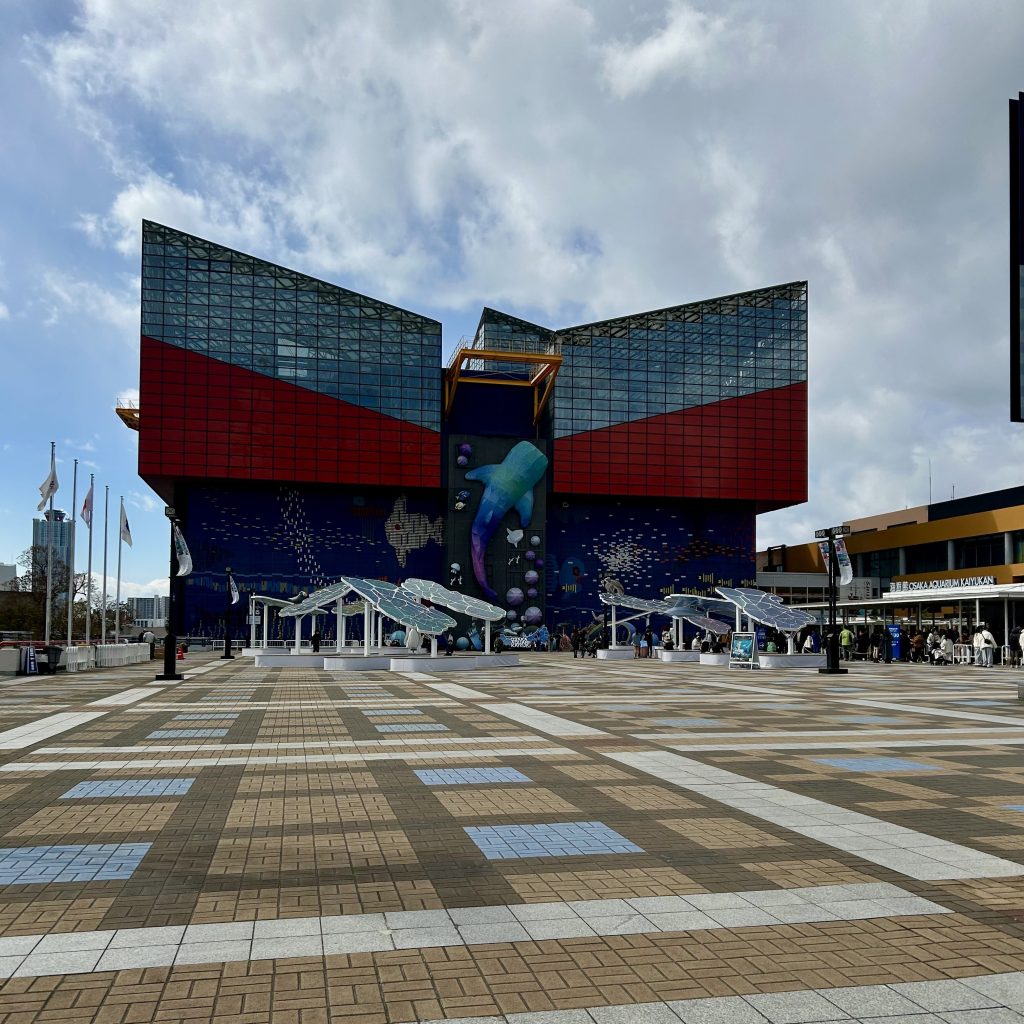
    As you approach the aquarium, you’ll notice its striking architecture—a massive glass-and-steel structure inspired by the natural world. Tickets cost ¥2,700 (£15) for adults and can be purchased online in advance to avoid queues. Note to purchase them directly from the venue itself. You can turn up on the day if you don’t mind queues.

    Start your visit by stepping into the aquarium’s immersive world. Kaiyukan’s unique design takes you on a spiral journey around its central tank, featuring the majestic Pacific Ocean exhibit. Here, you’ll encounter the aquarium’s star resident, a whale shark, peacefully gliding through the water alongside manta rays and shoals of fish.

    Each exhibit is themed around a specific region of the Pacific Rim, such as the Aleutian Islands, the Great Barrier Reef, and the Japan Deep Sea. Highlights include playful sea otters, jellyfish, and adorable penguins waddling about. Plan to spend at least two to three hours exploring all 15 tanks.

    Lunch: Tempozan Market Place

    After your visit, head next door to the Tempozan Market Place. This shopping and dining complex offers a variety of food options, including fresh seafood, ramen, and takoyaki (Osaka’s famous octopus-filled street food). A typical meal will cost around ¥1,000–¥1,500 (£6–£8).

    If you’re in the mood for something sweet, try the matcha-flavoured ice cream or a freshly baked melon pan. The market also has plenty of souvenir shops where you can pick up quirky marine-themed gifts.

    Afternoon: Tempozan Harbour Village

    Once you’ve refuelled, take some time to explore Tempozan Harbour Village, the area surrounding the aquarium. One of the main attractions here is the Tempozan Giant Ferris Wheel, one of the tallest in Japan. For ¥800 (£4.50), you can enjoy views of Osaka Bay, the city skyline, and even as far as Mount Rokko on a clear day.

    For those travelling with kids, the nearby LEGOLAND Discovery Centre is a fun indoor attraction. Alternatively, you can simply take a relaxing walk along the harbour and watch the boats pass by.

    Evening: Sunset Cruise or Return to Central Osaka

    If you have time before heading back to central Osaka, consider taking a Santa Maria cruise, which departs from the harbour and offers dinner and sunset tours of Osaka Bay. Tickets cost ¥1,600 (£9), and the experience provides a serene way to wind down your day.

    I hope this guide helps you plan your trip and inspires you to include Kaiyukan on your Osaka itinerary.