If you’re scared of heights – this hike isn’t for you.
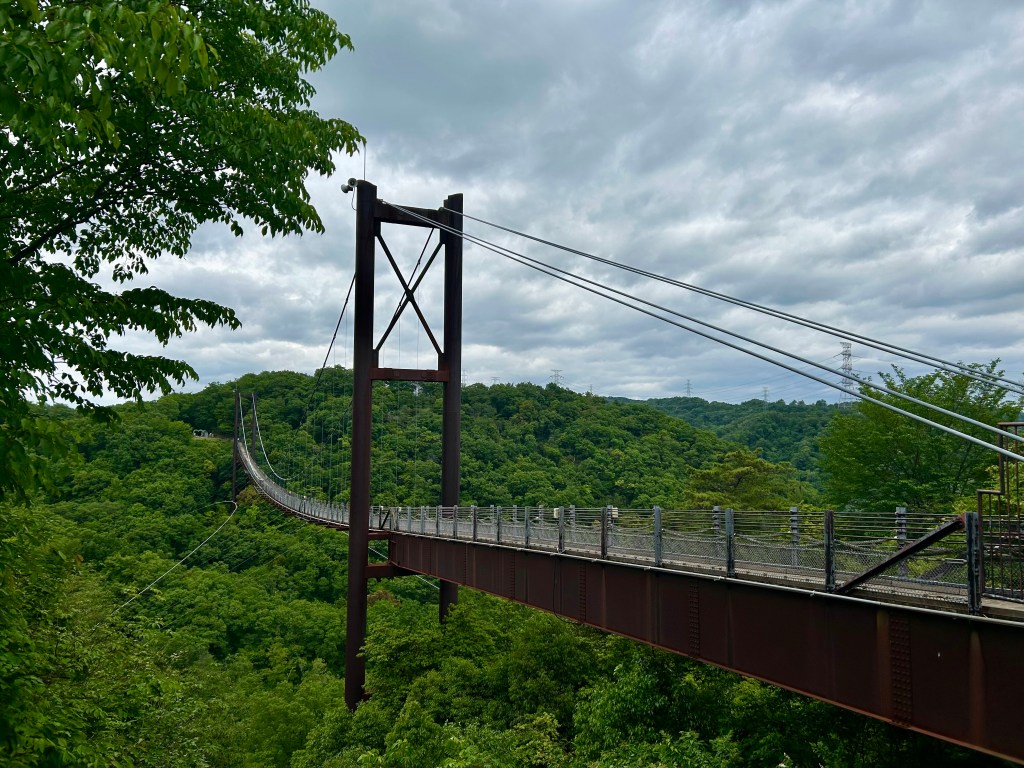
Hoshida Park, known as the ‘Forest of Osaka’, is home to the largest suspension bridge in Japan at a length of 280 meters and a height of 50 meters. The bridge, Hoshi no Buranko, is locally known as the Star Swing Bridge, stemming from the belief that standing on the bridge at night feels like floating among the stars. Despite its name, unfortunately you cannot walk across the bridge at night; it currently closes at 1630hrs.
This hike takes you through a well-signposted forest route, leading you across the bridge, before making your way back down. The route to the bridge and back spans around 8km and is suitable for beginners. To get to the start of the hike take the Keihan Main Line from Kyobashi to Hirakatashi Station. From Hirakatashi Station, take the Katano Line to Kisaichi Station (the end of the line). Follow the trail around the scenic Amano River which should be on your left-hand side on your way up. It will take around 1-hour to get to the bridge from the start of your hike, depending on your pace.
The longest wooden footbridge in Japan! 📍 Hike to Hoshi no Buranko 🌉✨ Looking for a perfect half-day adventure near Osaka? 🏞️ Start your hike from Kisaichi Station 🚉 and immerse yourself in forests, peaceful trails, and breathtaking views. 🌳🌲 👟 Trail Details: 📏 ~2.5 km one way 🌿 Easy to moderate difficulty 🕒 Takes about 2-3 hours round trip The highlight? Hoshi no Buranko—a massive suspension bridge that makes you feel like you’re walking among the stars! ✨ The view from up there is absolutely incredible, with a canopy of greenery stretching as far as the eye can see. 😍 🍙 Pro Tip: Pack a snack or bento to enjoy at the picnic area nearby—it’s the perfect way to recharge before heading back! 🌅 End your adventure with a serene walk back to Kisaichi Station as the sun sets over the Kansai wilderness. 📸 Tag your hiking buddy and save this post for your next outdoor escape! 🌟 #HikingJapan#Osaka#Japan#HoshiNoBuranko#KansaiAdventures#OsakaHikes#NatureLovers
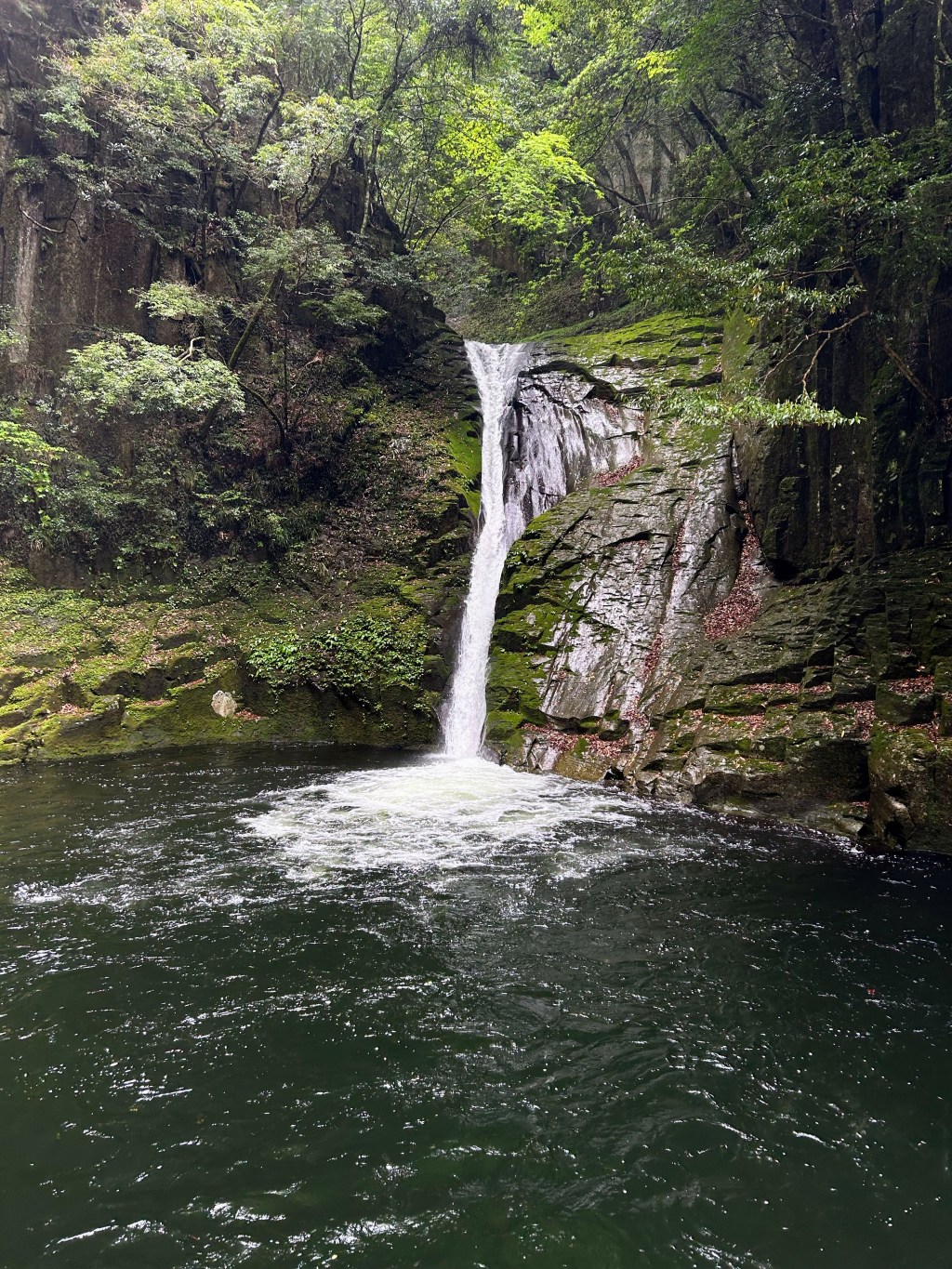
Akame 48 Waterfalls Trail is a well-known trail for deep mountain valleys and waterfalls of various sizes, widths, plunges and waterflows. The hike will take you into the Murō-Akame-Aoyama Quasi-National Park, past multiple stunning waterfalls. The 48 waterfalls are a collective name for a string of waterfalls flowing through Akame-cho, Nabari, Mie.
This location is where the first Ninjas used to train and perfect their art form. Go to the home of the Ninja, viewing the history of ninjas from stalls, shops and even restaurants. Enter a giant salamander museum, view these impressive creatures which are native to this area.
There are different routes that you can take, which vary in their difficulty. The three route options are:
Route 1 – Short and easy course, 20-minutes (one-way). This route is mostly paved and suitable for casual hikers. It will take you past three out of the five best waterfalls, Fudo Falls, Senju Falls and Nunobiki Falls. Be sure to not miss the deep valley at the start of the route which is said to date back over 15-million years; an unfathomable amount of time.
Route 2 – Moderate course, 90-minutes (one-way). This route is paved and includes some steep staircase sections, which can be slippy if it’s been raining. This route will ensure that you experience all five of the best waterfalls, adding Ninai Falls and Biwa Falls to your route.
Route 3 – Advanced course, 170-minutes (one-way) with a 584m elevation gain. This route takes you past the same waterfalls as route 1, before deviating onto the advanced course toward Mt. Nagasaka. The trail is steep but includes plenty of rest spots, making it manageable for intermediate hikers. To fully enjoy the experience, plan for a whole day.
To get the starting point of all three routes, take the Kintetsu-Osaka Line from Tsuruhashi Station (accessible via the Osaka Loop Line) to Akameguchi Station, this takes around 1hr 05mins. From Akameguchi Station, catch a bus from the bus station to Akamedaki.
The bus takes just 10-minutes on the Akame Line. Be sure to note the time of the last bus back from the falls and give yourself plenty of time to head back. From Akamedaki, follow the road around to the start of the hike.
All paths are well-signposted from the bus stop. Follow the route uphill and pass through the Salamander aquarium where you pay a small fee of 1,000 yen before starting your hike.
🌿✨ Explore the breathtaking beauty of Akame 48 Waterfalls! 🌊🍃 Just a short trip from Osaka, this serene hike offers cascading falls, lush green forests, and magical vibes! 🌟 Whether you’re spotting salamanders 🦎, soaking in the peaceful sounds of nature 🎶, or dressing up as a ninja 🥷, this spot is a must-visit! 💧🏞️ ⏰ Duration: 2–3 hours round trip (easy-moderate hike) 🎒 What to bring: Comfy shoes, a water bottle, and your sense of adventure! 💬 Tag someone who’d love this hike! 🥾💚 #Akame48Waterfalls#OsakaDayTrips#HikingVibes#NatureLovers#JapanTravel#Osaka#Travel#Daytrip
Just the boho vibe I was looking for! Nestled just a short walk from the bustling Osaka Station lies Nakazakicho, a neighbourhood brimming with retro charm, artistic flair, and cosy cafes. This hidden gem of an area offers an escape for those seeking a more intimate and authentic Osaka experience.
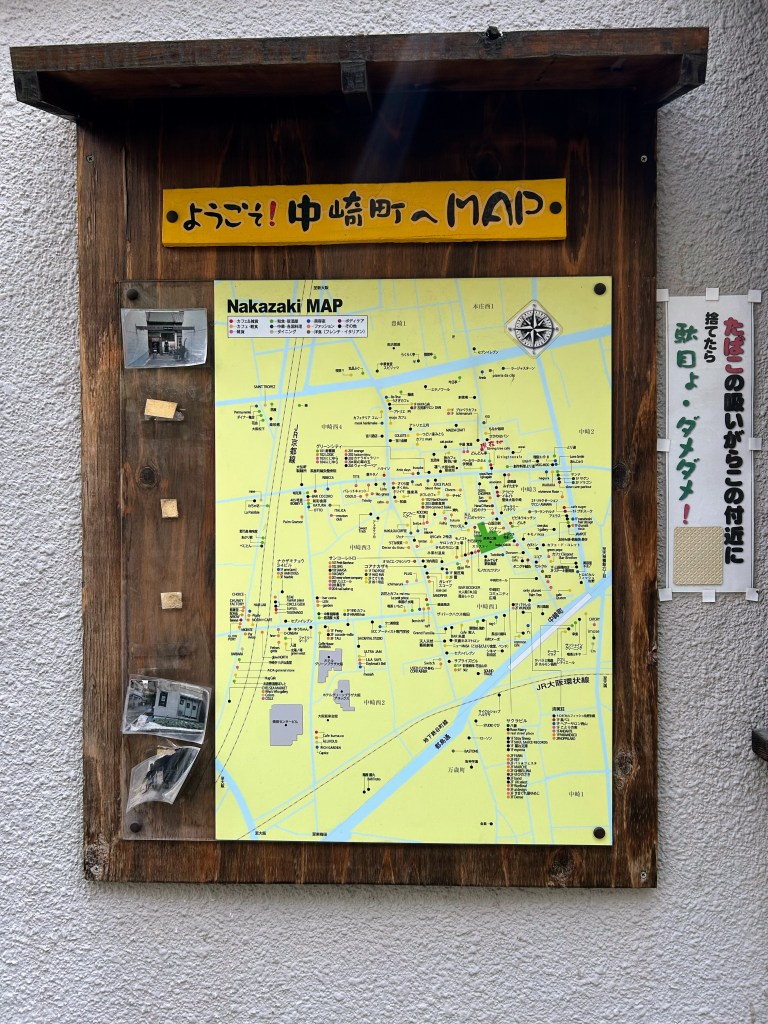
Nakazakicho is approximately a 10–15 minute stroll from Umeda Station. Along the way, you’ll pass through the vibrant Chayamachi area, making the walk an enjoyable prelude to your exploration. The area even has its own map!
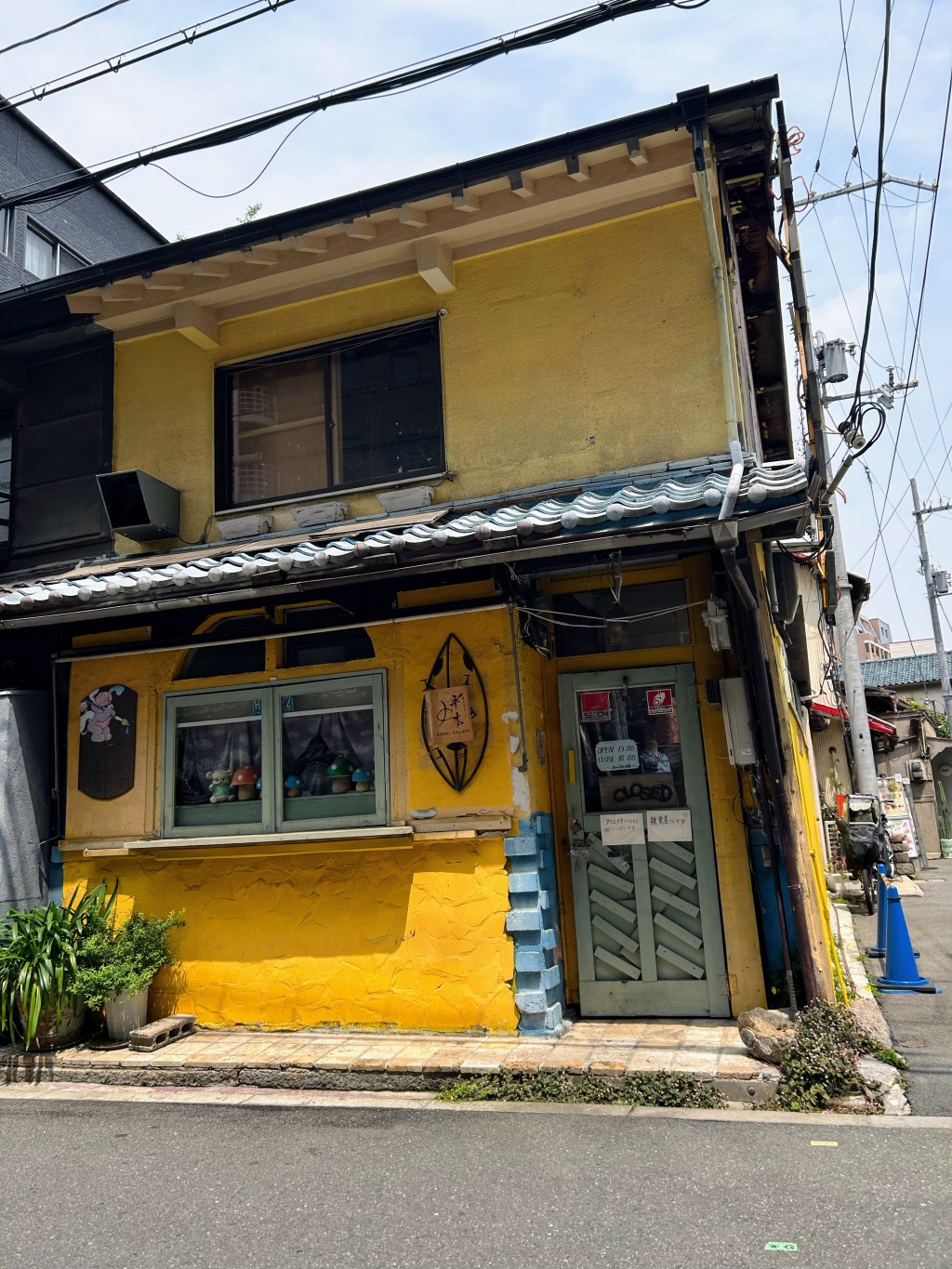
🏘️ The Streets of Nakazakicho Nakazakicho is renowned for its narrow, winding alleys lined with preserved pre-war wooden houses. These traditional buildings now house an eclectic mix of boutique shops, cosy cafes, and art galleries, creating a delightful blend of old-world charm and contemporary creativity. The area’s bohemian atmosphere and photogenic streets make it a favourite amongst locals. Despite this, it remains a hidden gem in Osaka for tourists.
☕️ Cafes and Eateries to Explore Nakazakicho boasts an array of inviting cafes and eateries, perfect for a relaxing day out. Here are just some of my recommendations:
Shimako Cafe: Famous for its homely interior and delicious omurice (Japanese omelette rice), this cafe is a must-visit for comfort food lovers.
KAYA CAFE: Offering a snug atmosphere and a selection of light meals and drinks, it’s a great spot to unwind.
Nichinichi Bake: This beloved bakery-cafe is known for its freshly baked goods and cosy ambiance. Be sure to arrive early, as it’s a popular choice among locals.
Tucked just a short walk from Osaka Station, Nakazakicho is the hidden gem you didn’t know you needed. 🏘️✨ Think retro charm, artsy vibes, and cozy cafes—all rolled into one perfect neighborhood. Stroll through narrow alleys lined with pre-war wooden houses, sip on coffee at Shimako Cafe ☕️, or dive into nostalgia at Elemeca Labo. Whether you’re a foodie, an art lover, or just looking for a quiet escape, Nakazakicho has something magical waiting for you. 🌟 ⏳ It’s only 10–15 minutes from Umeda Station, but it feels like stepping back in time! 📸 Don’t forget to snap pics of those photogenic streets—you’ll want to remember this slice of authentic Osaka forever. 📍 Have you explored Nakazakicho yet? Let me know your favorite spots in the comments! #OsakaTravel#Nakazakicho#HiddenGem#JapanVibes#BohoStyle#TravelJapan#CozyCafe#RetroCharm#Wanderlust#ExploreOsaka
🍹 Bars and Nightlife As the sun sets, Nakazakicho transforms into a lively hub of activity with its unique bars and cultural venues, including:
Salon de AManTo: A fascinating blend of cafe, bar, and art gallery, this spot provides a relaxed environment where you can enjoy drinks alongside live performances and creative exhibitions.
Café Arabiq: This cosy bar is ideal for a quiet evening, offering a great selection of drinks in an intimate setting.
🎨 Artistic and Cultural Highlights Nakazakicho is a haven for art and history enthusiasts:
Elemeca Labo: A unique venue featuring over 40 vintage amusement machines, some of which date back to the 1920s. Guests can interact with these retro games, offering a nostalgic step back in time.
Ethno Art of Old Japan (NIM): A boutique specialising in traditional Japanese ceramics, textiles, and furniture. Each piece is steeped in history and culture, making this a treasure trove for antique lovers.
🛍️ Boutique Shopping Nakazakicho’s independent shops are perfect for unique finds. La Granda Familio Nakazakicho in particular, is a quaint shop offering homemade organic granola. Its beautifully designed interior is reason enough to drop by.
🌟 Final Thoughts Nakazakicho is a refreshing contrast to the sleek modernity of Osaka’s city centre. With its blend of historic architecture, artistic venues, and cosy eateries, its refreshing for anyone seeking a more relaxed and authentic experience right next to Umeda!
So next time you’re in Osaka, take a detour to this delightful neighbourhood and immerse yourself in its unique charm.
Nestled between Osaka and Kyoto, the charming city of Takatsuki offers a delightful mix of cultural experiences, natural beauty, and mouthwatering cuisine. Whether you’re visiting Osaka for the first time or returning to uncover its hidden gems, a trip to Takatsuki is a perfect way to spend the day. Here’s how to make the most of your visit, especially if you’re here on April 29th for the spectacular Koinobori Festival.
Start Your Day with Takatsuki’s Local Charm
From Osaka Station, Takatsuki is just a quick 15-minute ride on the JR Kyoto Line to Takatsuki Station. Upon arrival, you’ll notice the city’s relaxed pace compared to bustling downtown Osaka, making it a refreshing escape.
Begin your exploration at Akutagawa River Park. This serene spot is especially lively in spring, with families and visitors gathering to enjoy the blooming cherry blossoms and the festive atmosphere of the Koinobori Festival.
The Koinobori Festival: A Highlight of Spring
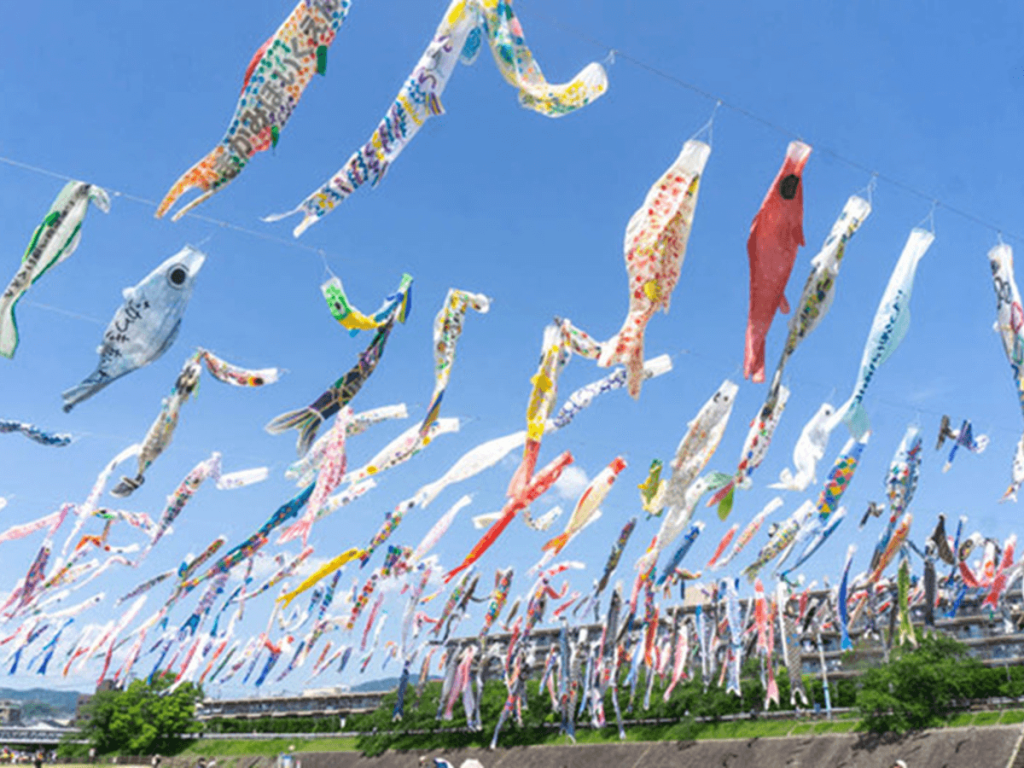
Every year on April 29th, the skies above the Akutagawa River are adorned with colourful koinobori (carp-shaped windsocks) fluttering in the breeze. This traditional festival symbolises wishes for children’s health and success, and it’s a sight you won’t want to miss.
The festival atmosphere includes food stalls offering classic Osaka street food like takoyaki and okonomiyaki. Don’t forget to try dango (sweet rice dumplings) while soaking in the lively ambiance. There are also cultural performances and activities for families, including a traditional japanese drum performance, making it a joyous event for all ages.
Explore Historical and Cultural Spots
After enjoying the festival, head to the nearby Takatsuki Castle Ruins Park. While the castle itself no longer stands, the park offers panoramic views of Osaka and the surrounding area, along with a tranquil setting perfect for a leisurely stroll.
For a deeper dive into history, visit the Settsu-Kyo Gorge, a natural wonder just a short bus ride away. Known for its dramatic rock formations and clear waters, it’s a favorite spot for hiking and photography enthusiasts.
Where to Eat: Savor Takatsuki’s Culinary Delights
Takatsuki boasts a vibrant food scene, blending traditional Osaka flavors with local specialties. Here are some recommendations:
Ramen Kaido: Known for its rich, savory broth and perfectly cooked noodles, this ramen shop is a must-visit.
Kissa Yū: A charming café offering retro vibes and a selection of coffee and cakes. It’s the perfect spot for a mid-afternoon break.
Shinshu Soba Takatsuki: Specializing in hand-made soba noodles, this restaurant provides a taste of authentic Japanese cuisine.
End Your Day on a High Note with Live Jazz!
Before heading back to Osaka, enjoy a leisurely evening in Takatsuki’s downtown area. The Takatsuki Jazz Street, held in May, sets the tone for the city’s artistic spirit, and you can catch live performances at some local bars and cafés year-round.
If you’re visiting during the cherry blossom season, consider taking an evening walk along the Akutagawa River, where the illuminated sakura creates a beautiful atmosphere.
Getting Back to Osaka
Takatsuki’s convenient location means you’ll be back in Osaka in no time. Reflect on your day as you return to the vibrant city, having experienced a slice of authentic Japanese culture just a short train ride away.
Plan Your Takatsuki Adventure
Whether you’re in Osaka for a few days or longer, Takatsuki offers a unique blend of natural beauty, cultural experiences, and culinary delights. Don’t miss the chance to visit during the Koinobori Festival on April 29th, where the city truly comes alive with colour and celebration.
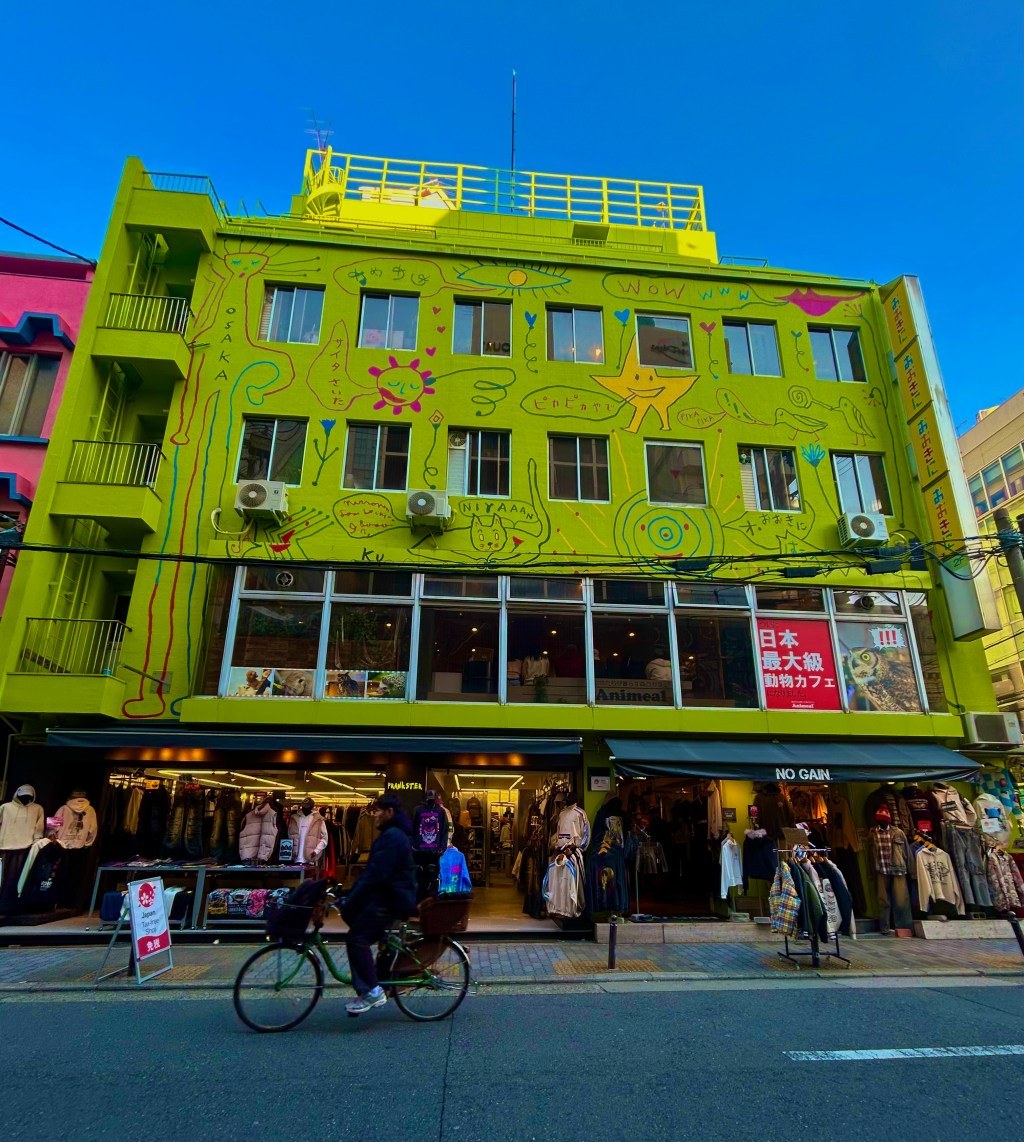
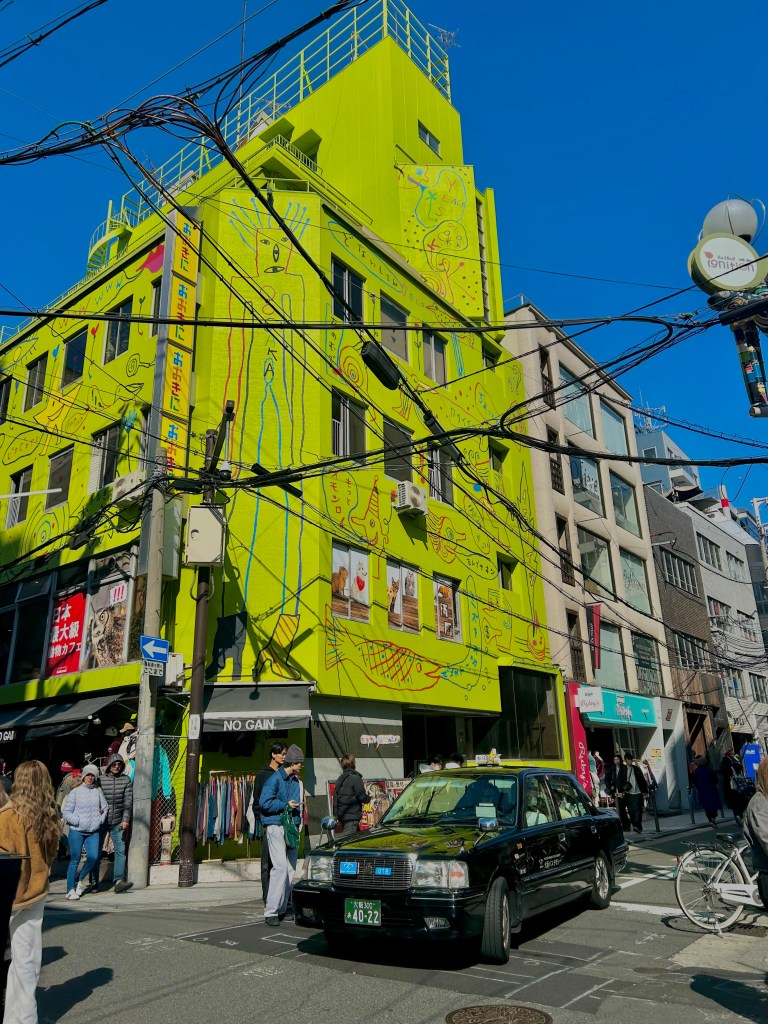
America-Mura (or “Amemura,” as locals call it) is a vibrant cultural hub located a short walk from Shinsaibashi. Located within the Shinsaibashi shopping district, America-Mura translates to “American Village,” and it’s easy to see why.
The area’s transformation began in the 1970s, when shops specialising in imported American goods started to pop up. Over time, it evolved into a hotspot for Osaka’s trendsetters, with streetwear boutiques, vintage stores, and quirky cafes lining its narrow streets.
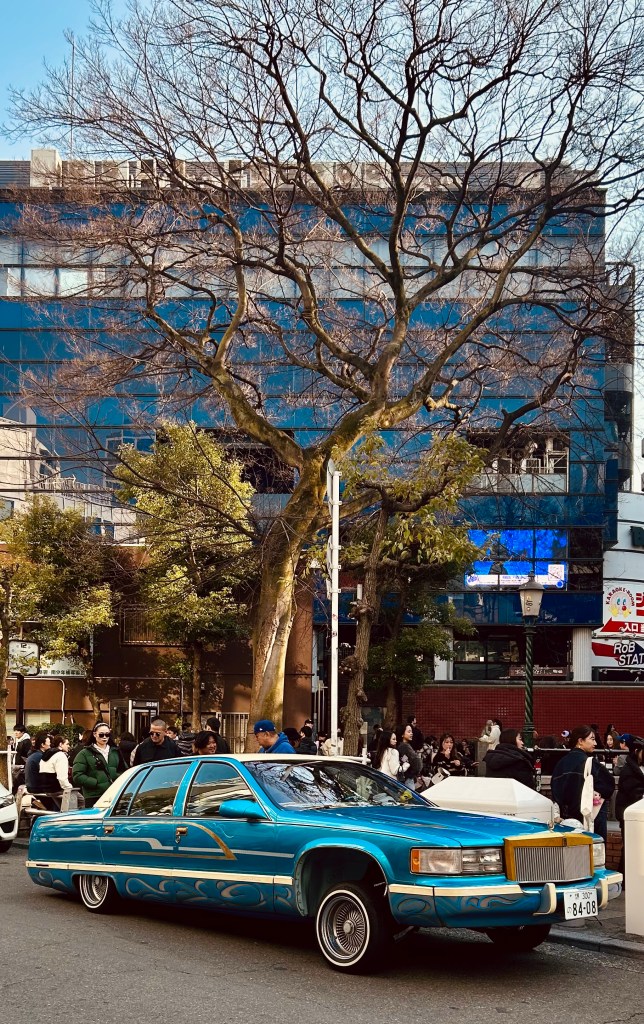
The district’s focal point is Sankaku Koen (Triangle Park), a small plaza that serves as a gathering spot for street performers, artists, and anyone looking to soak in the lively atmosphere. It’s the starting point for exploring America-Mura’s maze of streets. You may also spot some cars that look like they’ve been driven straight out of the movie ‘the mask’ – shmokin!
Shopping and Fashion
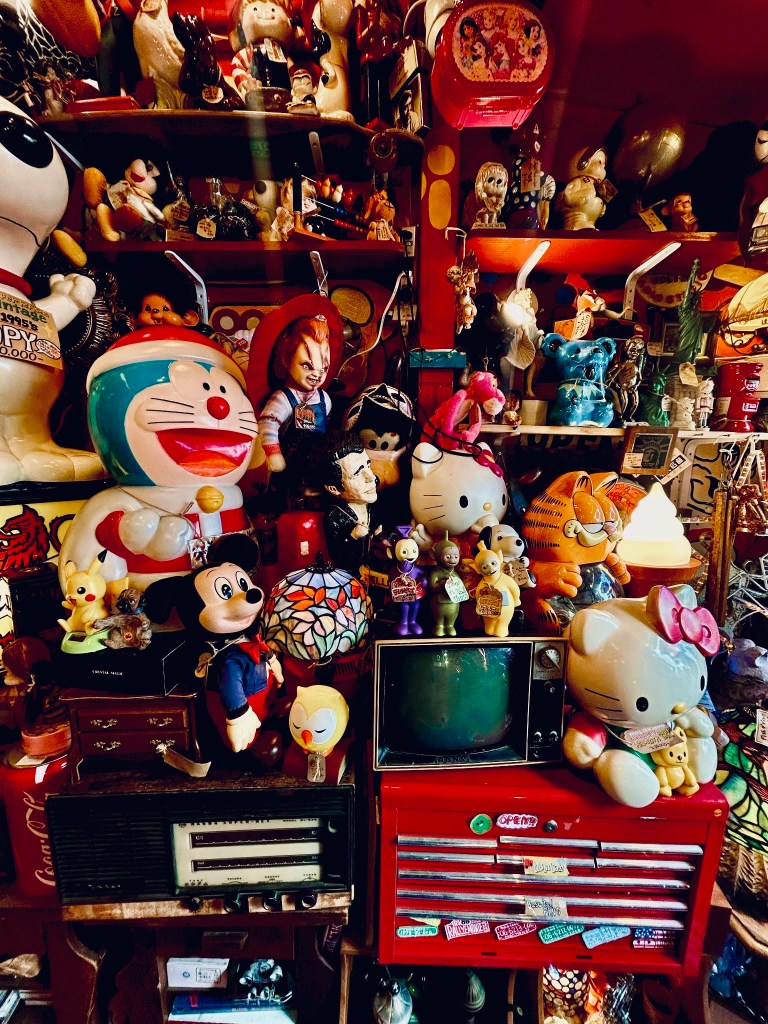
America-Mura is a treasure trove. The area is flooded with independent boutiques and vintage shops, offering everything from punk and goth attire to high-end streetwear. Popular stores like Purgatory, Acid Gallery, and Chicago have unique finds. Keep an eye out for local designers and limited-edition items you won’t find anywhere else. The most memorable store for me was visiting B.B(American village freemarket B.B) which was like walking around the loft of my nans house, discovering items filled with nostalgia.
Art and Street Culture
America-Mura is also a canvas for Osaka’s creative community. Street art features on the side of buildings, and galleries showcase works by emerging and established artists. Even the area’s street lamps, signage and storefronts exude a sense of creativity, making every corner Instagram-worthy.
Food and Drink
No trip to America-Mura would be complete without sampling its diverse culinary offerings. From American-style burgers and pancakes to Japanese takes on international cuisine, there’s something for every palate. Popular spots include:
Eggs ‘n Things: A Hawaiian-inspired eatery known for its decadent pancakes and breakfast fare.
Little Osaka: A food court featuring various street food stalls, offering a taste of Osaka’s famous takoyaki and other treats.
Big Step: A multi-floor shopping and entertainment complex with unique cafes and bars.
For drinks, the neighborhood is packed with stylish bars and izakayas.
Nightlife
The area is lively throughout the day, and flooded with crowds, however, when the sun sets it really comes alive. Live music venues like Live House Pangea and Club Joule host performances ranging from indie rock to electronic beats. Dance clubs and karaoke bars ensure the party lasts well into the night.
Tips for Visiting America-Mura
Best Time to Visit: Late afternoon to evening is ideal, as the area is at its liveliest and the neon lights create a captivating ambiance. (If you have anxiety or sensory overload, probably best to go very early in the mornings).
Getting There: Take the Midosuji Line to Shinsaibashi Station; America-Mura is just a short walk west of Exit 7.
Stay Respectful: While the vibe is casual and carefree, remember that this is a community space. Keep noise levels down late at night and dispose of trash properly.
Dotonbori, a bustling district in Osaka, Japan, is a must-visit destination for anyone traveling to the Kansai region. Known for its vibrant nightlife, neon lights, delicious street food, and unique culture, Dotonbori offers a quintessential Osaka experience. If you’ve been searching for travel tips or are curious about what to do in Dotonbori, you’ve come to the right place. Here’s a comprehensive guide to help you make the most of your visit, covering everything from things to do and eat to cost-effective recommendations.
Top Things to Do in Dotonbori
Take a Photo with the Glico Man
The Glico Running Man sign is an iconic Osaka landmark. It’s a rite of passage for visitors to snap a photo here. The best time for photos is after sunset when the neon lights illuminate the area.
Cruise the Dotonbori Canal
Hop on a boat tour to enjoy a unique view of the district. Most tours cost around ¥1,000-1,500 and last about 20 minutes. You don’t need to book in advance and can hop on a boat while there!
Explore Hozenji Yokocho
Step back in time by visiting this narrow alley lined with traditional restaurants and izakayas. Don’t miss the moss-covered Hozenji Temple where you can make a wish by splashing water on the statue of Fudō Myō-ō.
Shop Along Shinsaibashi-suji
This massive shopping arcade connects directly to Dotonbori and features everything from high-end fashion to quirky souvenir shops. A paradise for shopaholics!
Catch a Show at Namba Grand Kagetsu
Experience Osaka’s famous comedy culture with a live show at this renowned theater. Tickets typically cost around ¥2,000-5,000 depending on the performance.
What to Eat in Dotonbori
Dotonbori is a foodie’s heaven, boasting some of the best street food in Japan. Here’s what you can’t miss:
Takoyaki (Octopus Balls)
These savory snacks are a Dotonbori staple. Try them hot off the grill at stalls like Kukuru or Wanaka. Prices range from ¥500-800 per portion. The further away from the main stretch you go, the cheaper they will be!
Okonomiyaki
Osaka’s famous savory pancake is a must-try. Visit Mizuno, a highly-rated restaurant, for authentic flavors. Expect to pay around ¥1,000-1,500 per dish.
Kushikatsu
Skewers of deep-fried meat, vegetables, and seafood. Daruma is a popular chain to sample this Osaka delicacy. Dishes cost around ¥100-200 per skewer.
Ramen
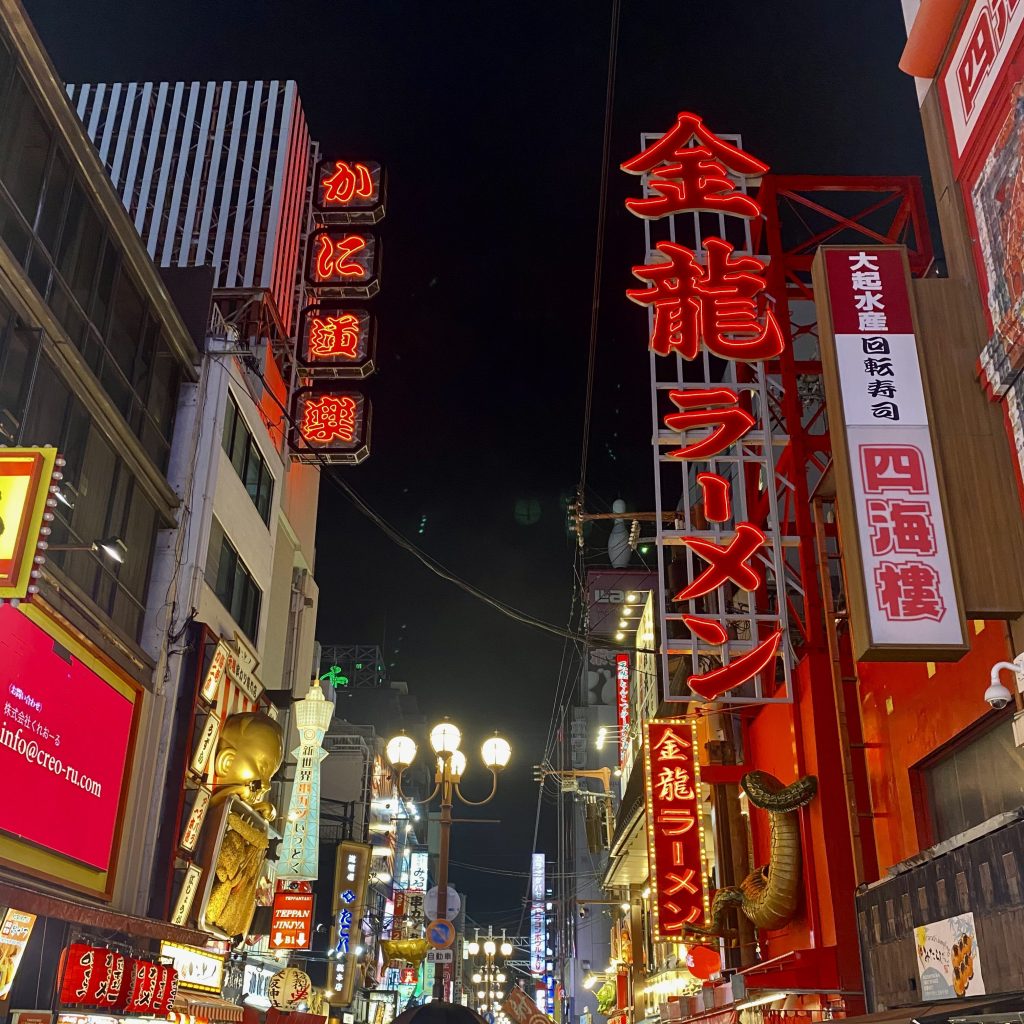
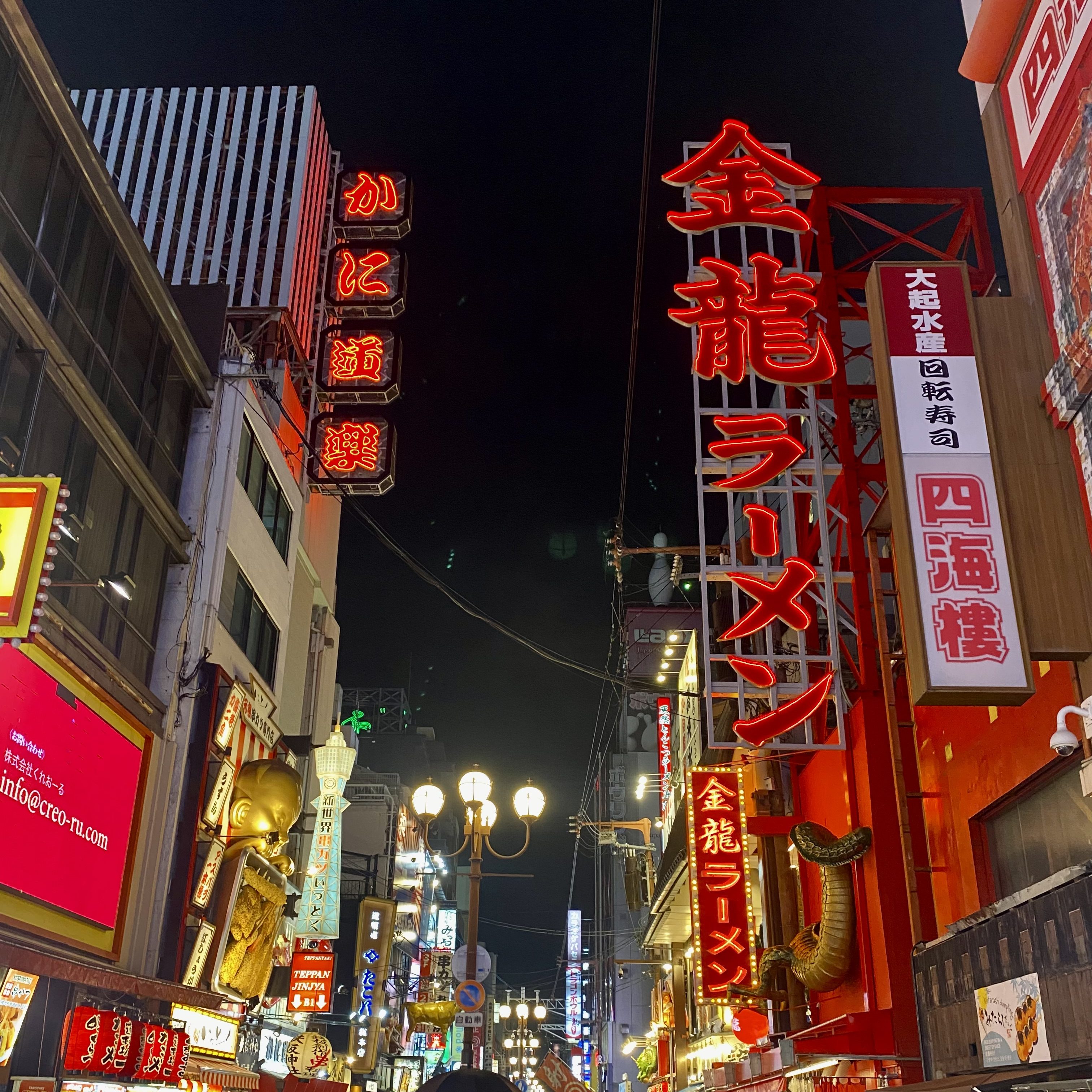
Ichiran and Kinryu Ramen are local favorites. A bowl typically costs ¥700-1,000 and is perfect for late-night cravings.
Fresh Seafood
Don’t miss the giant crab sign at Kani Doraku, which serves some of the best crab dishes in the area. Meals here start at around ¥2,500.
Budget-Friendly Tips
Stay in Namba: Book accommodations in Namba for convenient access to Dotonbori. Capsule hotels and hostels start at around ¥2,500 per night, while mid-range hotels range from ¥6,000-10,000 per night.
Eat Street Food: Street food is affordable and allows you to try multiple dishes without breaking the bank.
The best time to visit is in the evening as Dotonbori’s neon lights and vibrant energy are best experienced after dark.
FAQs
Is Dotonbori expensive? Dotonbori can suit various budgets. Street food is affordable, and there are dining options ranging from cheap eats to high-end restaurants.
How long should I spend in Dotonbori? A full evening is enough to explore, but if you want to shop or enjoy multiple meals, consider half a day.
Is Dotonbori family-friendly? Absolutely! While the nightlife can get lively, families will enjoy the food, shopping, and cultural attractions.
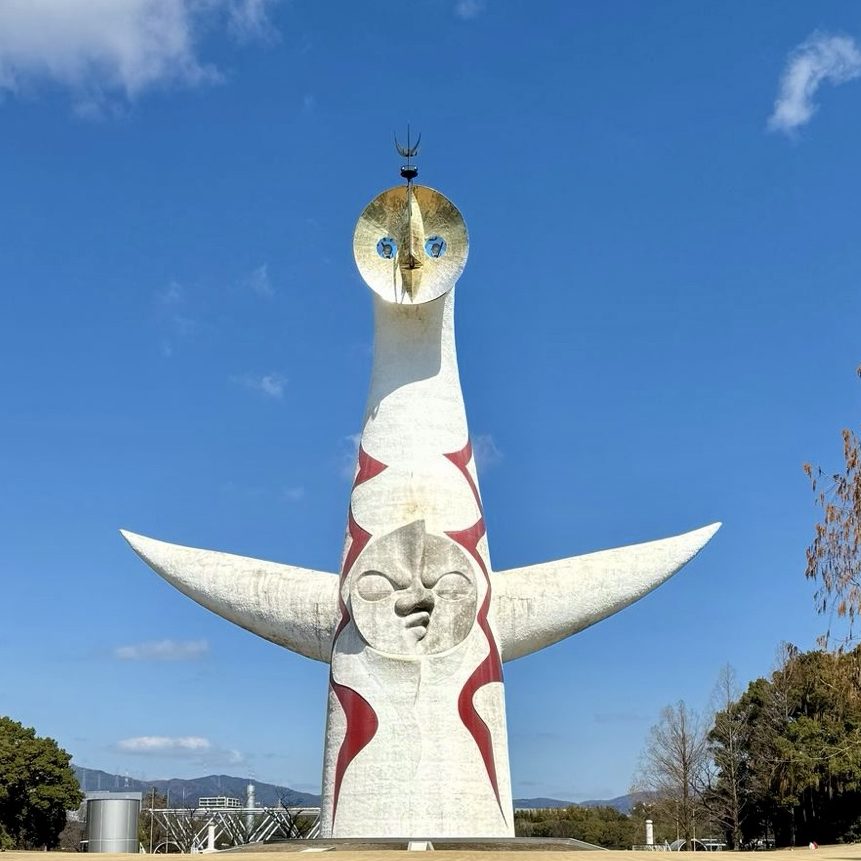
Recently we decided to visit Expo ’70 Commemorative Park, the site of Japan’s first world fair in 1970. It felt right to do with the Osaka Expo ‘25 starting soon! I had heard about the Tower of the Sun, a strange-looking sculpture that had become an Osaka landmark, and had to see it for myself. The commemorative park is huge, with a mix of open spaces, museums, and gardens. It turned out to be a quiet place to walk around, away from the busier parts of the city. It costs just ¥250 (£1.30!) to enter the park, which is amazing value for money. I recommend purchasing the ticket at the gate, and make sure to bring cash as some of the machines don’t accept card payments.
How to get there:
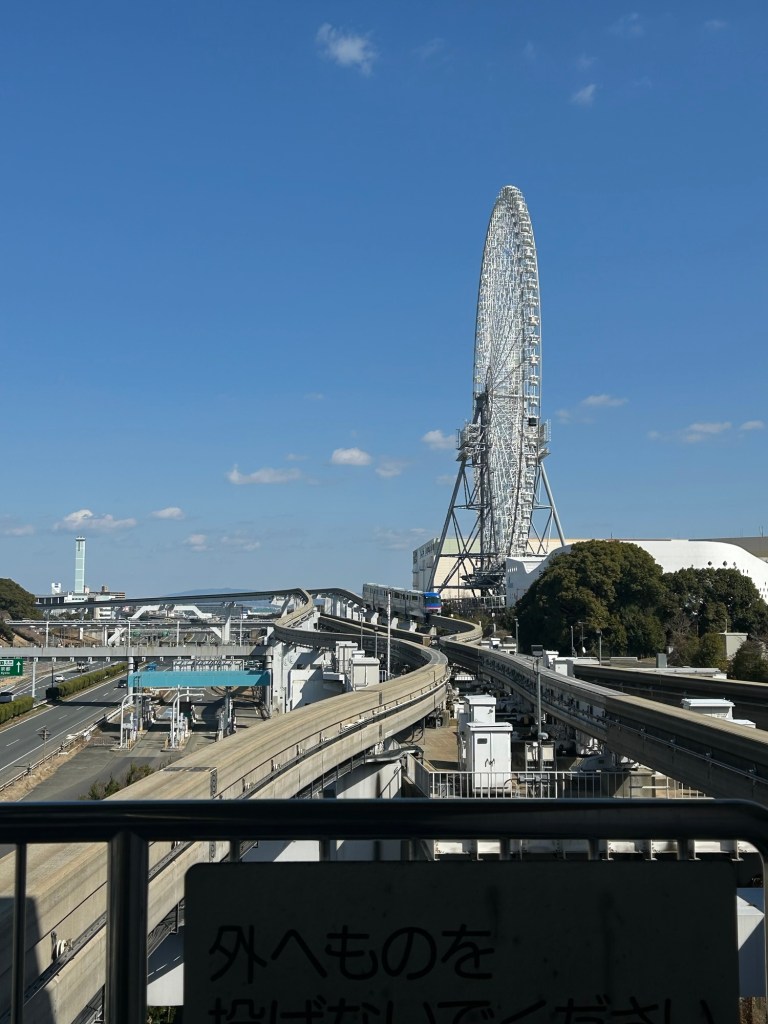
Getting to the park was straightforward. We took the Midosuji Line from Osaka Station to Senri-Chuo, then switched to the Osaka Monorail for a short ride to Bampaku-Kinen-Kōen Station. The monorail stops right by the entrance, which makes access pretty convenient. The ride on the monorail itself was exciting (and perhaps a little daunting an experience if you’re not used to travelling this way!).
Exploring the Park
One of the first things I saw upon entering was the Tower of the Sun, an unusual sculpture standing at 70 meters tall. Designed by artist Taro Okamoto, it was originally created for the Expo and has been preserved ever since. The tower has a distinct look, with large outstretched arms and multiple faces representing different aspects of time. We didn’t book a tour to see the inside, but were surprised to find out that this is an option. Admission to the Tower of the Sun Museum is by reservation only. (A minimum of a 1-day advance reservation is required.)
Tower of the sun!
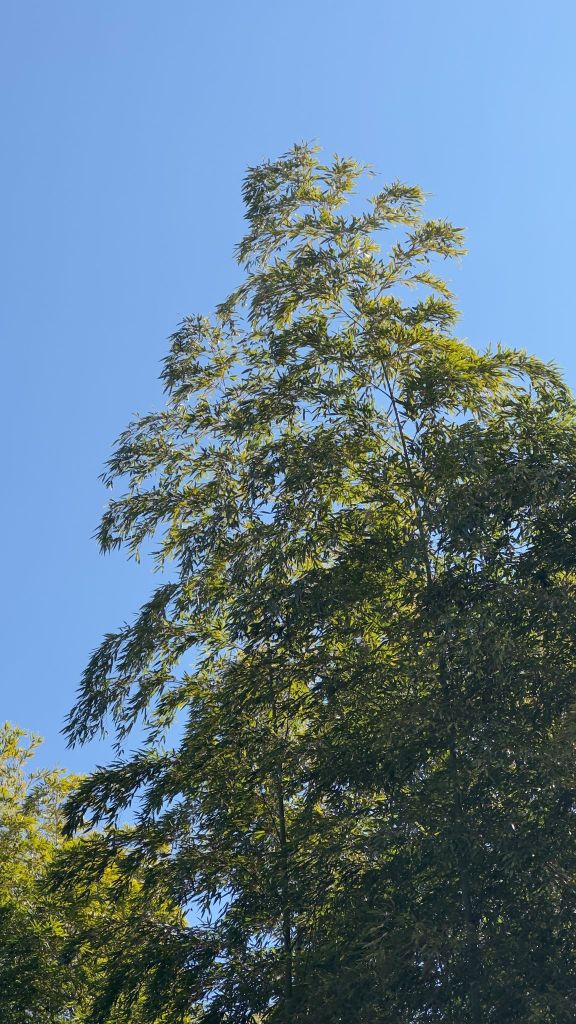
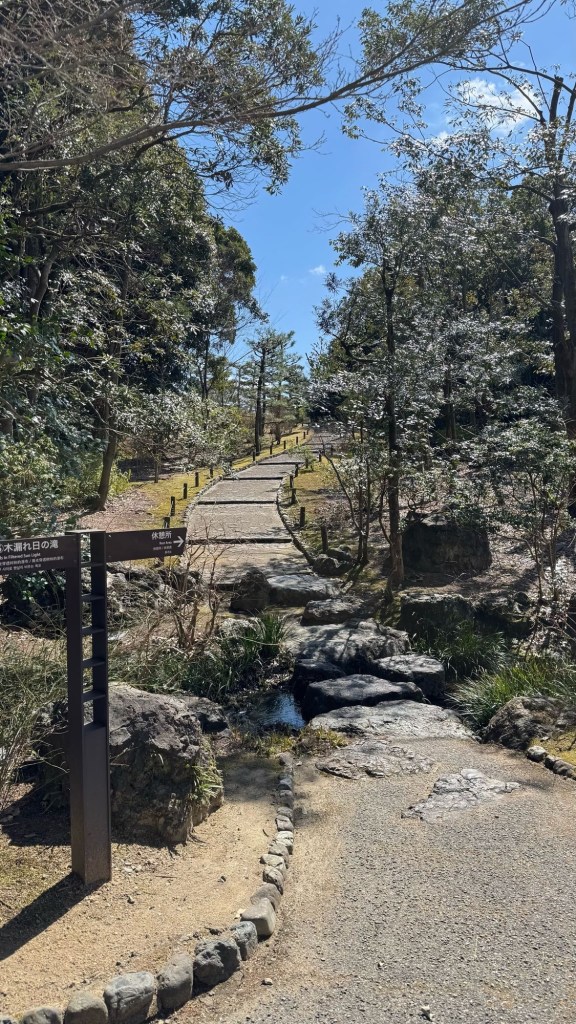
After walking past the tower, we headed toward the Japanese Garden. It was well-maintained, with ponds, bridges, and a mix of different landscaping styles. Depending on the season, you can see cherry blossoms (spring) or autumn foliage (November-December). You can also see bamboo swaying gently in the breeze, which I personally found more relaxing than the Arashiyama Bamboo Forest in Kyoto which has become a tourist hotspot.
The gardens are fun for all ages and there is an interactive stamp collection activity, if you collect just 5 stamps on your way around you will get a lovely gift! I won’t spoil the surprise for you…
For those interested in history and culture, the park has a couple of museums. The National Museum of Ethnology showcases cultural artifacts from around the world, while the Expo ’70 Pavilion focuses on the history of the 1970 World Expo. We walked through the Pavilion, which had exhibits on the futuristic designs and ideas presented at the Expo. It was a small but interesting look into Japan’s post-war era of rapid growth.
For those who enjoy activities, the park has something called “Banpaku BEAST”, an athletic facility that utilises a hexagonal platform using unique technology from Germany. You can enjoy various activities such as climbing, slacklining, and aerial bicycles at this facility. There are 121 types of activities. With a high level of safety, people of all ages, from elementary school students to seniors, can experience them. The athletic area is on four floors, and there is also an observation deck on the rooftop that offers a panoramic view of the park. An additional fee is required to enter the BEAST!
Food wise, there were a few food stalls inside the park selling mostly selling snacks and drinks. Vending machines are also there (of course). If you’re looking for more options, Expo City, a large shopping and entertainment complex right next to the park, has restaurants, an aquarium, and a shopping mall. This includes a buffet-style KFC… yes you read that right!
Is a visit to the Commemorative Park worth it?
Expo ’70 Commemorative Park isn’t typically a tourist attraction, but it’s a lovely place to visit if you enjoy open spaces, walking trails, or learning about Osaka’s history. The Tower of the Sun was the main highlight for me, and the gardens make for a relaxing day out. I would highly recommend a visit if you’re looking for a break from the city, a day out with family relaxing with a picnic, or have an interest in the legacy of the 1970 Expo. Just make sure to take sunscreen and hats as the park is a large open space, with not much shelter. We will definitely be back!
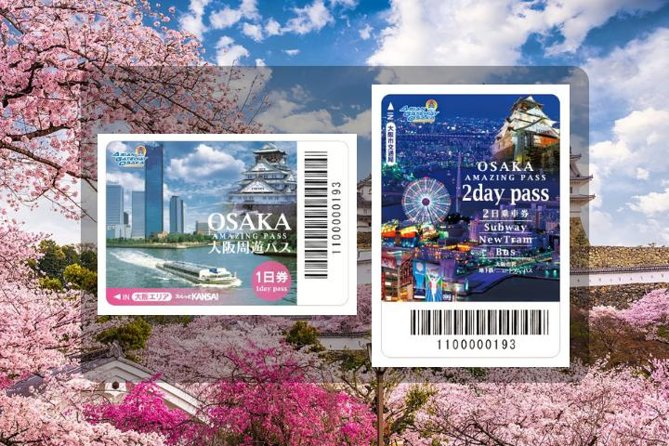
The Osaka Amazing Pass is a fantastic option for tourists, combining unlimited travel on certain transportation networks and free/discounted access to popular attractions. In this blog, I show you how I saved ¥4,000 (£21) across two-days by using the pass.
My two-day cost comparison
Day 1: Exploring Iconic Osaka
I started my day at Osaka Castle, enjoying the castle tower and its incredible views (normally ¥600). Afterward, I visited the Osaka Museum of History, where I learned about the city’s past (normally ¥600).
In the afternoon, I headed to the Umeda Sky Building Observatory for breathtaking city views (normally ¥1,500) and then hopped on the Hep Five Ferris Wheel, a fun ride in the heart of the city (normally ¥600).
As evening fell, I took the Tombori River Cruise, taking in Dotonbori’s neon lights (normally ¥1,000). Ending the day at Dotonbori, I indulged in street food, which wasn’t covered by the pass but was well worth it!
Day 1 Total Without the Pass: ¥4,300
Day 2: Culture and Views
My second day began at the serene Sumiyoshi Taisha Shrine, which is free to enter but required a subway trip covered by the pass. Then, I visited the historic Shitennoji Temple (normally ¥300).
In the afternoon, I explored the quirky Tsutenkaku Tower (normally ¥900) and spent some time at Osaka Tennoji Zoo (normally ¥500).
To end my trip, I rode the massive Tempozan Giant Ferris Wheel (normally ¥800) and enjoyed a soothing soak at Naniwa Hot Spring (normally ¥700).
Day 2 Total Without the Pass: ¥3,200
Grand Total Without the Osaka Amazing Pass: ¥7,500
Thanks to the Osaka Amazing Pass, which costs only ¥3,600 for two days, I saved nearly ¥4,000! This is without adding in all of the subway trips in between. The unlimited travel on Osaka’s subways and buses, made getting around super convenient and stress-free. It was the perfect way to explore the city on a budget.
The key features of the Osaka Amazing Pass are provided on my page here, alongside features of alternative passes in Osaka.
Have you been running around Japan trying to fit in all of the popular tourist destinations? Do you just want to relax and rest your weary legs. Well, keep reading, because I know just the place for you and in my opinion it is located in the nicest area of Osaka.
If you’re like me and thought you would need to travel for hours on trains to reach the nearest beach, you’ll be delighted to know that the Osaka Waterfront Park contains a man-made beach & it is beautiful. The even better news, is that you can get there by walking through Osaka Caste Park, or hopping off the Osaka Loop Line at Sakuranomiya Station.
Rent a bike
If you would like to rent a bike for the day, you can do so from near the station. I recommend using https://roadbikerentaljapan.com/, as they have a bike store directly near the station. Renting a bike is easy and affordable at ¥7,000(£36) per day, and it’s a great way to explore the park’s dedicated cycling paths. They also do long-term rental if you’re interested. The paths within the park are completely segregated from walking and running paths, so you can ride at your own pace without worrying about pedestrians. I saw quite a few families and couples cycling around, and it looked like a fun way to take in the scenery.
Spot Wildlife
Once in the park, you will spot the adorable Nutria or Copyu swimming and bathing near the water (they look like a little bit like otters, but with two large cheetos for teeth!). They are cuter than my description – see the video! They largely keep to themselves and are guarded by fencing throughout most of the park. Locals take photos regularly and feed them food from afar. I also spotted a few herons perching along the harbourside railings.
Relax on the beach
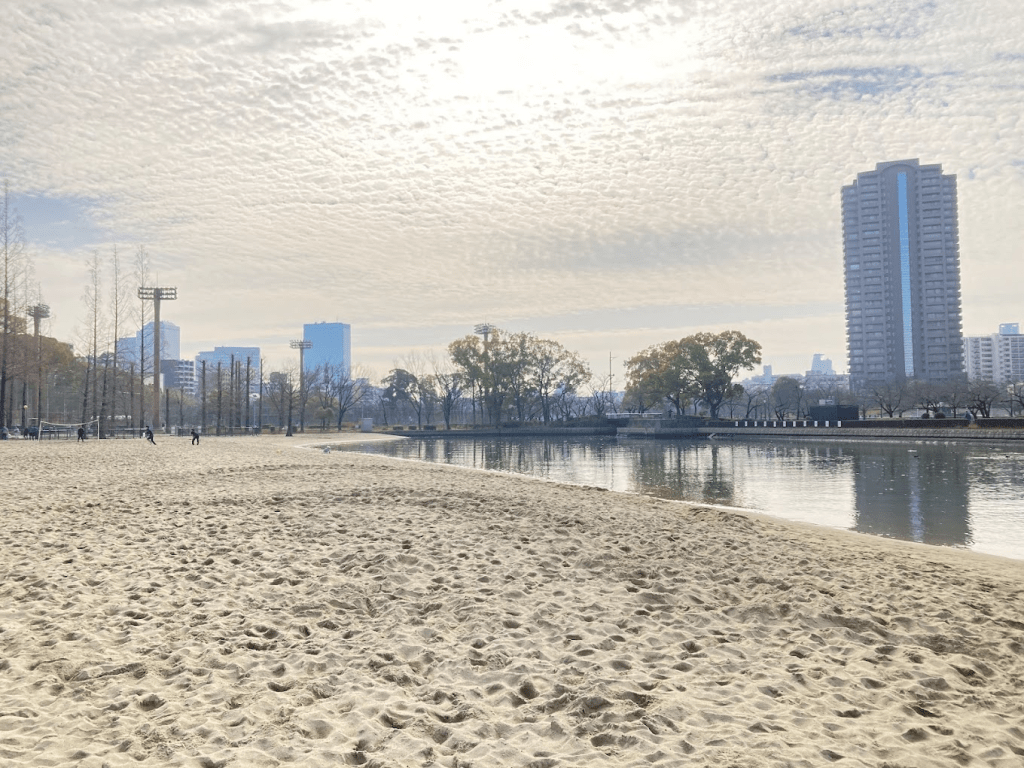
After a very short walk, you will arrive at Sakuranomiya Beach. It’s like this little slice of paradise tucked right into the city. When I went, I spent some time relaxing on the sandy shore reading a book and resting my legs. There were groups playing volleyball, and kids paddling around in the water to cool down. It felt so laid-back and inviting, like a hidden gem that not everyone knows about. I recommend coming on a weekday if you can, as it will be quieter than on the weekend.
Sakuranomiya Beach!
From the beach, you can continue to walk along the harbour west toward Osaka Castle Park. The promenade is picturesque, with boats touring in the marina and ample places to sit and rest.
Go on a boat!
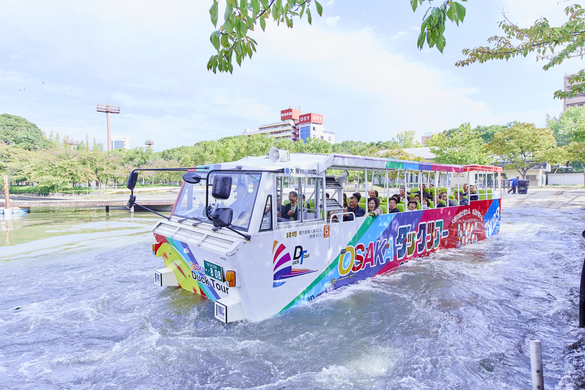
If you want to go on a boat ride, I recommend a ride on the the duck tour! (the first of its kind in Japan!). Hop on board the amphibious bus to explore both land and water without having to change vehicles. Being able to do both land and river at once is double the fun. This is a unique and very fun way to spend part of your day. The tickets are affordable at just ¥1,500 for adults and just ¥750 for kids – and the memories, unforgettable. Floating along the river, on a bus, is such a unique and fun way to experience Osaka.
Absolutely! – If you’re ever in Osaka and want to experience something a little more relaxing, I’d definitely recommend spending a day here. Between the peaceful park, the unique boat ride, the sandy beach, and the option to cycle or jog, it’s got something for everyone – and it’s so easy to fall in love with the calm, relaxed vibe of the area. Its also very easy to get to, as mentioned previously you can either walk there, or you can also use the Osaka Loop Line & get off at Sakuranomiya Station. The park is immediately in-front of you.
Osaka is a city bursting with energy, culture, and world-class attractions, but one of its alternative offers is one of the largest and most impressive aquariums in the world! Kaiyukan offers visitors a chance to dive into the wonders of the ocean without leaving the city.
When my husband and I visited Osaka, we made it a point to spend an afternoon at this attraction. It’s a perfect stop for families, couples, or anyone who loves marine life and immersive experiences. Here’s how to make the most of your visit to Kaiyukan and the surrounding area.
Morning: Osaka Aquarium Kaiyukan
From central Osaka, head to Osaka Station and take the Osaka Loop Line to Bentencho Station. Transfer to the Chuo Line, which will take you to Osakako Station near the aquarium. The journey takes about 30 minutes and costs ¥280 (£1.50) one way. Alternatively, taxis are convenient but will cost around ¥2,000 (£11).
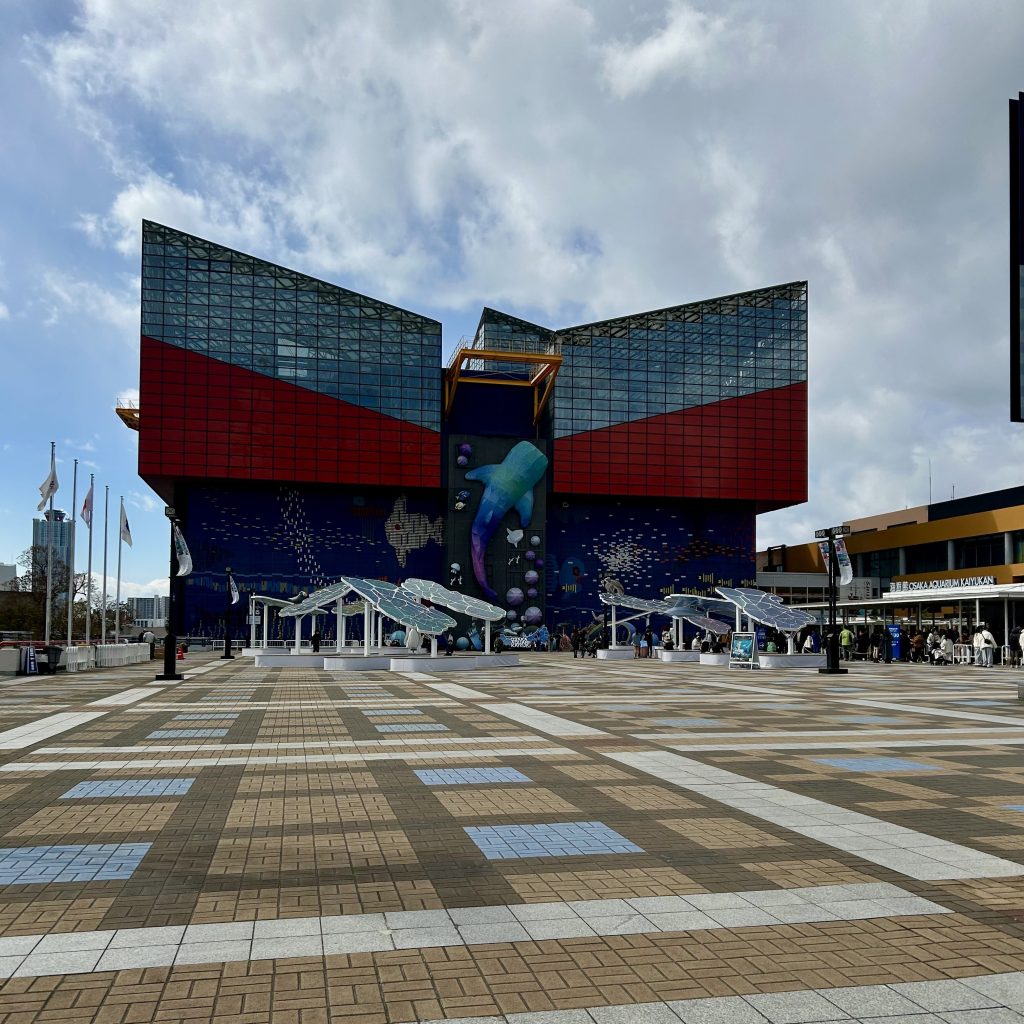
As you approach the aquarium, you’ll notice its striking architecture—a massive glass-and-steel structure inspired by the natural world. Tickets cost ¥2,700 (£15) for adults and can be purchased online in advance to avoid queues. Note to purchase them directly from the venue itself. You can turn up on the day if you don’t mind queues.
Start your visit by stepping into the aquarium’s immersive world. Kaiyukan’s unique design takes you on a spiral journey around its central tank, featuring the majestic Pacific Ocean exhibit. Here, you’ll encounter the aquarium’s star resident, awhale shark, peacefully gliding through the water alongside manta rays and shoals of fish.
Each exhibit is themed around a specific region of the Pacific Rim, such as the Aleutian Islands, the Great Barrier Reef, and the Japan Deep Sea. Highlights include playfulsea otters, jellyfish, and adorable penguins waddling about. Plan to spend at least two to three hours exploring all 15 tanks.
Lunch: Tempozan Market Place
After your visit, head next door to the Tempozan Market Place. This shopping and dining complex offers a variety of food options, including fresh seafood, ramen, and takoyaki (Osaka’s famous octopus-filled street food). A typical meal will cost around ¥1,000–¥1,500 (£6–£8).
If you’re in the mood for something sweet, try the matcha-flavoured ice cream or a freshly baked melon pan. The market also has plenty of souvenir shops where you can pick up quirky marine-themed gifts.
Afternoon: Tempozan Harbour Village
Once you’ve refuelled, take some time to explore Tempozan Harbour Village, the area surrounding the aquarium. One of the main attractions here is the Tempozan Giant Ferris Wheel, one of the tallest in Japan. For ¥800 (£4.50), you can enjoy views of Osaka Bay, the city skyline, and even as far as Mount Rokko on a clear day.
For those travelling with kids, the nearby LEGOLAND Discovery Centre is a fun indoor attraction. Alternatively, you can simply take a relaxing walk along the harbour and watch the boats pass by.
Evening: Sunset Cruise or Return to Central Osaka
If you have time before heading back to central Osaka, consider taking a Santa Maria cruise, which departs from the harbour and offers dinner and sunset tours of Osaka Bay. Tickets cost ¥1,600 (£9), and the experience provides a serene way to wind down your day.
I hope this guide helps you plan your trip and inspires you to include Kaiyukan on your Osaka itinerary.


 Visit Osaka