Visa Application
The first step is to choose your visa type! There are a lot to choose from:
1. Work Visa: Required for employment. Includes Specialist, Engineer, Instructor, and Skilled Labor
2. Working-Holiday Visa: For living in Japan for up to two-years, with the primary intention to have a holiday and work (if you need to) to supplement funds. The duration varies by country.
3. Student Visa: For studying at a Japanese institution.
4. Spouse or Family Visa: For those married to a Japanese citizen or permanent resident.
5. Cultural Activities Visa: For non-paid activities related to Japanese culture, such as traditional arts.
6. Tourist Visa: some countries (such as from the UK) can stay in Japan visa-free for up to 90 days; for longer stays, other visa types are necessary.
General Requirements: A valid passport, completed visa application form (see the Japanese Embassy website). A recent photograph (as per Japan’s specifications). Supporting documents like a Certificate of Eligibility (COE) from your sponsor in Japan (if applicable) and Proof of financial stability (bank statements or sponsor guarantees).
If you’re from the UK, apply at the Japanese Embassy in person (Scotland or London) with printed out versions of your documents and collect your visa within 5-7 business days. You need to book an appointment online to visit the Embassy: https://www.uk.emb-japan.go.jp/itpr_en/visa_online.html
Obtaining your Residency Card
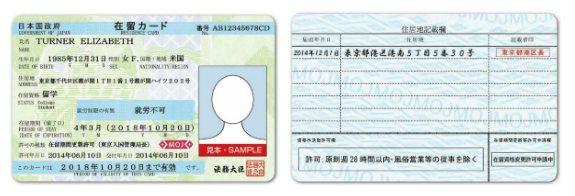
Once your application has been successful, and you have picked up your passport with your visa in from the embassy, you will need to obtain a residency card; known in japan as your Zairyu Card (在留カード). You will be handed your card at the airport when going through immigration. For me, this experience was stress-free, and the card was printed and handed to me within 5-10 minutes. Don’t worry – they’re used to handing out residency cards here!
What is a Residency Card?
A mandatory identification card for foreign residents staying in Japan for over three months.
Temporary Address Entry: If your address in Japan isn’t finalised yet, a temporary entry is made. Update it after registering your address. You will need an address to register the card to: it doesn’t matter what accommodation it is, I simply used my first hotel booking and it was fine.
Registering your Address
When to Register: Within 14 days of moving to your permanent address in Japan.
Where to Register: Your local municipal / ward office (市役所, Shiyakusho).
Required Documents: Residency Card and Passport, along with a completed address registration form (this will be provided at the office and you will need to write it in Japanese! so be prepared for this and get ready to use Google Translate a lot).
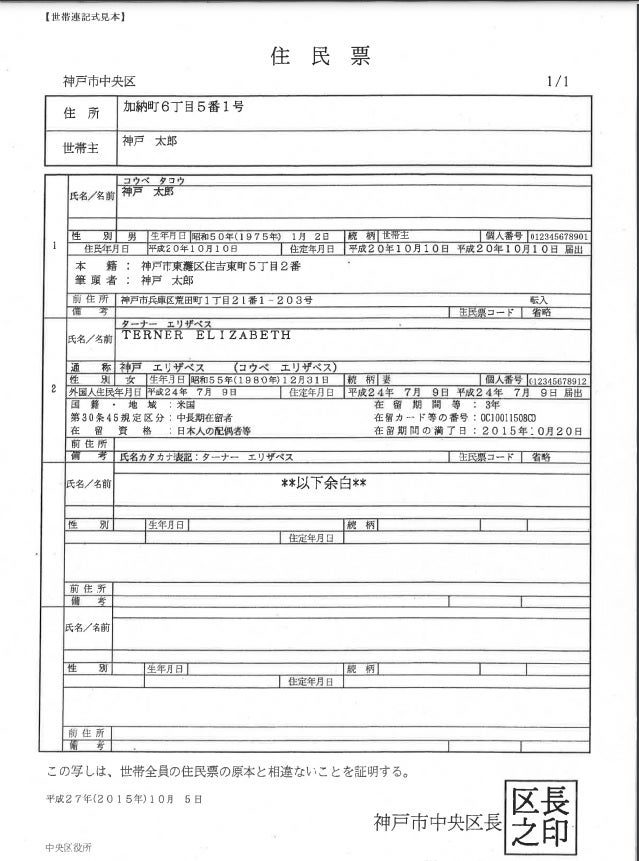
Process: Go to the ward office without a prior appointment, hand in your documents and they will them check the form and present you with your updated Residency Card. Your card will now have your address printed on the back. You will receive a Certificate of Residence (住民票, Jūminhyō), which is essential for various administrative tasks.
Top tip: While at the office, make sure to ask to register for health insurance and for an exemption to pay into Japans pension system (if you are exempt – this includes if you’re not employed / on low-income). This will save you another trip to the office at a later date & they will go through the process with you.
Getting Health Insurance
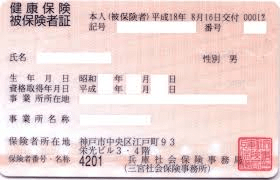
National Health Insurance (NHI) is mandatory for residents staying longer than three months. It covers 70% of medical costs; with you pay the remaining 30%.
After your visit to the ward office, you will be sent a lot in the post to your now registered address. One will be your Health Insurance card, which will be a small pink card with your name and address on it. Make sure you hang onto this – this is your health insurance card and you will need it if you receive medical treatment.
Enrolment Process: Register at the municipal office when you register your address.
Premiums: Based on your income and household size. You’ll receive a monthly or quarterly bill.
Employer-Provided Insurance: If employed, your employer may enroll you in a workplace insurance scheme instead of NHI.
My Numbers Card
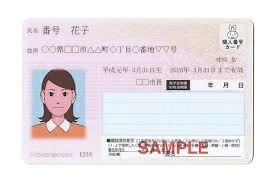
What is a My Number Card?: A multi-purpose ID card linked to Japan’s social security and tax systems. Its set to replace the health insurance card eventually, but for now, both are required.
Application Process: After registering your address, you’ll receive a notification postcard about My Number issuance. Bring the postcard, your Residency Card, and identification (e.g., passport) to your municipal office to apply.
Benefits: Serves as ID, allows you to access government services, and facilitates tax filings. Can also be linked to health insurance for convenience.
The My Number Card is mailed to your registered address or handed to you in person from the municipal office.
Don’t feel alone – I can support you with any questions you have about your move to Japan and with other things not mentioned on this site such as how to get a phone number / see a women’s clinic etc.
Just email me at: enquiries@visitosaka.org
 Visit Osaka