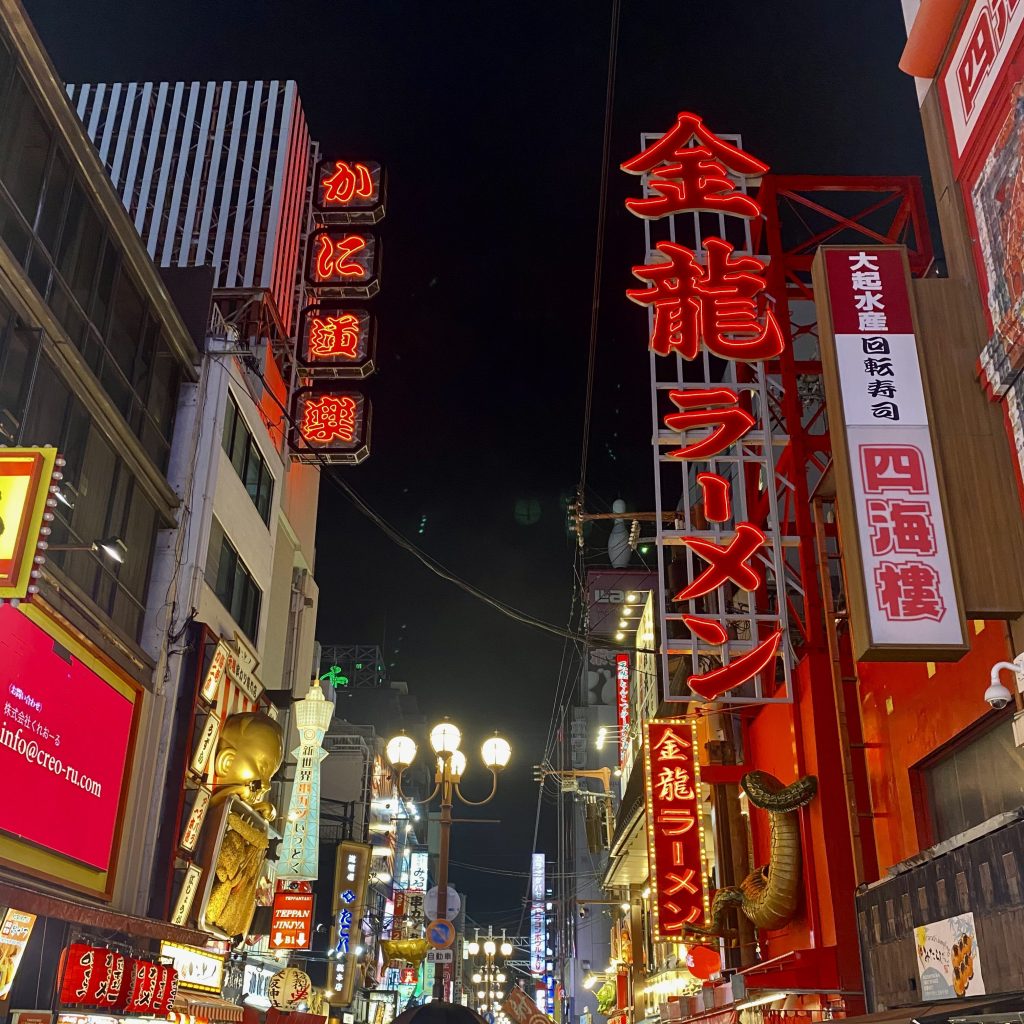
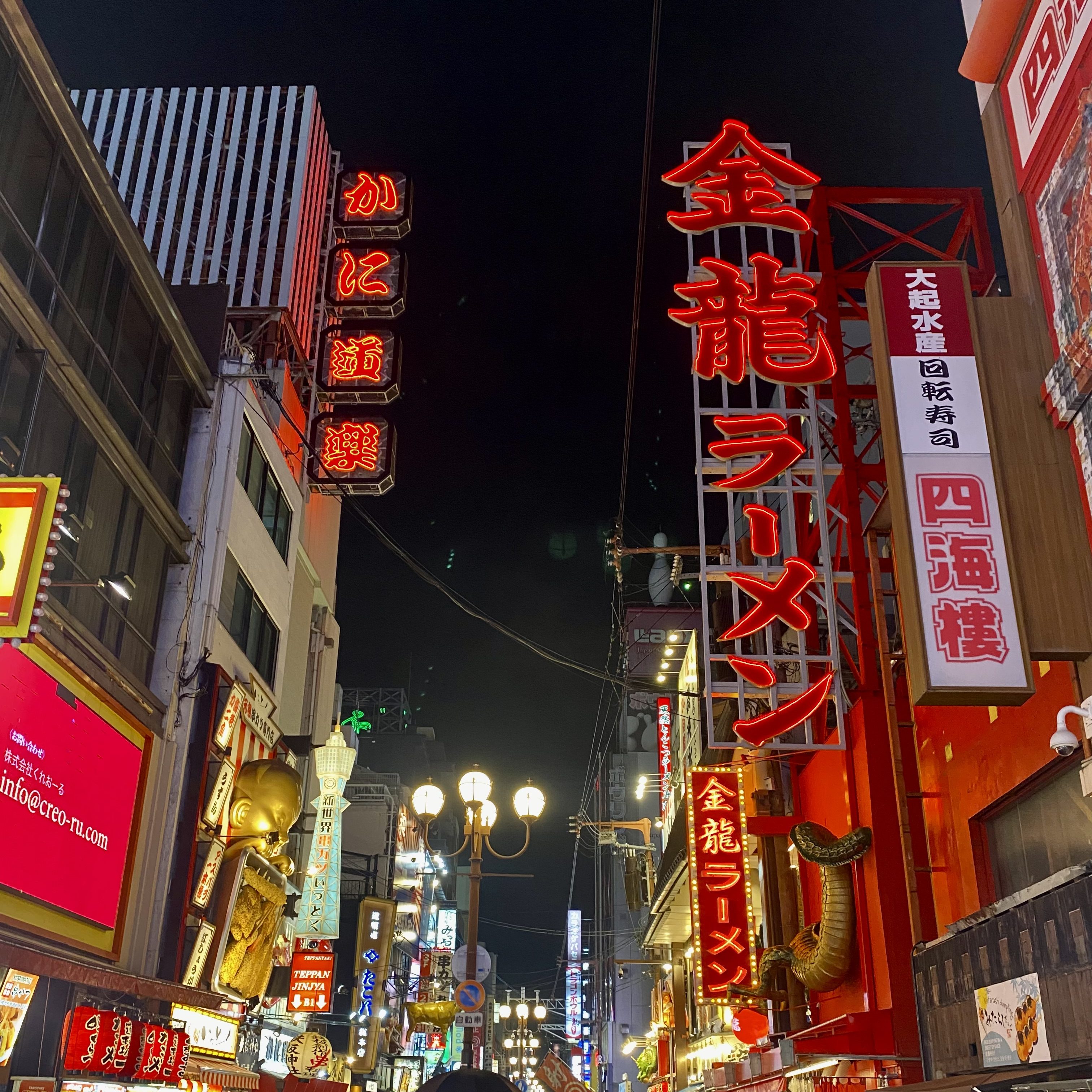
Dotonbori, a bustling district in Osaka, Japan, is a must-visit destination for anyone traveling to the Kansai region. Known for its vibrant nightlife, neon lights, delicious street food, and unique culture, Dotonbori offers a quintessential Osaka experience. If you’ve been searching for travel tips or are curious about what to do in Dotonbori, you’ve come to the right place. Here’s a comprehensive guide to help you make the most of your visit, covering everything from things to do and eat to cost-effective recommendations.
Top Things to Do in Dotonbori
Take a Photo with the Glico Man
The Glico Running Man sign is an iconic Osaka landmark. It’s a rite of passage for visitors to snap a photo here. The best time for photos is after sunset when the neon lights illuminate the area.
Cruise the Dotonbori Canal
Hop on a boat tour to enjoy a unique view of the district. Most tours cost around ¥1,000-1,500 and last about 20 minutes. You don’t need to book in advance and can hop on a boat while there!
Explore Hozenji Yokocho
Step back in time by visiting this narrow alley lined with traditional restaurants and izakayas. Don’t miss the moss-covered Hozenji Temple where you can make a wish by splashing water on the statue of Fudō Myō-ō.
Shop Along Shinsaibashi-suji
This massive shopping arcade connects directly to Dotonbori and features everything from high-end fashion to quirky souvenir shops. A paradise for shopaholics!
Catch a Show at Namba Grand Kagetsu
Experience Osaka’s famous comedy culture with a live show at this renowned theater. Tickets typically cost around ¥2,000-5,000 depending on the performance.
What to Eat in Dotonbori
Dotonbori is a foodie’s heaven, boasting some of the best street food in Japan. Here’s what you can’t miss:
Takoyaki (Octopus Balls)
These savory snacks are a Dotonbori staple. Try them hot off the grill at stalls like Kukuru or Wanaka. Prices range from ¥500-800 per portion. The further away from the main stretch you go, the cheaper they will be!
Okonomiyaki
Osaka’s famous savory pancake is a must-try. Visit Mizuno, a highly-rated restaurant, for authentic flavors. Expect to pay around ¥1,000-1,500 per dish.
Kushikatsu
Skewers of deep-fried meat, vegetables, and seafood. Daruma is a popular chain to sample this Osaka delicacy. Dishes cost around ¥100-200 per skewer.
Ramen
Ichiran and Kinryu Ramen are local favorites. A bowl typically costs ¥700-1,000 and is perfect for late-night cravings.
Fresh Seafood
Don’t miss the giant crab sign at Kani Doraku, which serves some of the best crab dishes in the area. Meals here start at around ¥2,500.
Budget-Friendly Tips
Stay in Namba: Book accommodations in Namba for convenient access to Dotonbori. Capsule hotels and hostels start at around ¥2,500 per night, while mid-range hotels range from ¥6,000-10,000 per night.
Eat Street Food: Street food is affordable and allows you to try multiple dishes without breaking the bank.
The best time to visit is in the evening as Dotonbori’s neon lights and vibrant energy are best experienced after dark.
FAQs
Is Dotonbori expensive? Dotonbori can suit various budgets. Street food is affordable, and there are dining options ranging from cheap eats to high-end restaurants.
How long should I spend in Dotonbori? A full evening is enough to explore, but if you want to shop or enjoy multiple meals, consider half a day.
Is Dotonbori family-friendly? Absolutely! While the nightlife can get lively, families will enjoy the food, shopping, and cultural attractions.
Recently we decided to visit Expo ’70 Commemorative Park, the site of Japan’s first world fair in 1970. It felt right to do with the Osaka Expo ‘25 starting soon! I had heard about the Tower of the Sun, a strange-looking sculpture that had become an Osaka landmark, and had to see it for myself. The commemorative park is huge, with a mix of open spaces, museums, and gardens. It turned out to be a quiet place to walk around, away from the busier parts of the city. It costs just ¥250 (£1.30!) to enter the park, which is amazing value for money. I recommend purchasing the ticket at the gate, and make sure to bring cash as some of the machines don’t accept card payments.
How to get there:
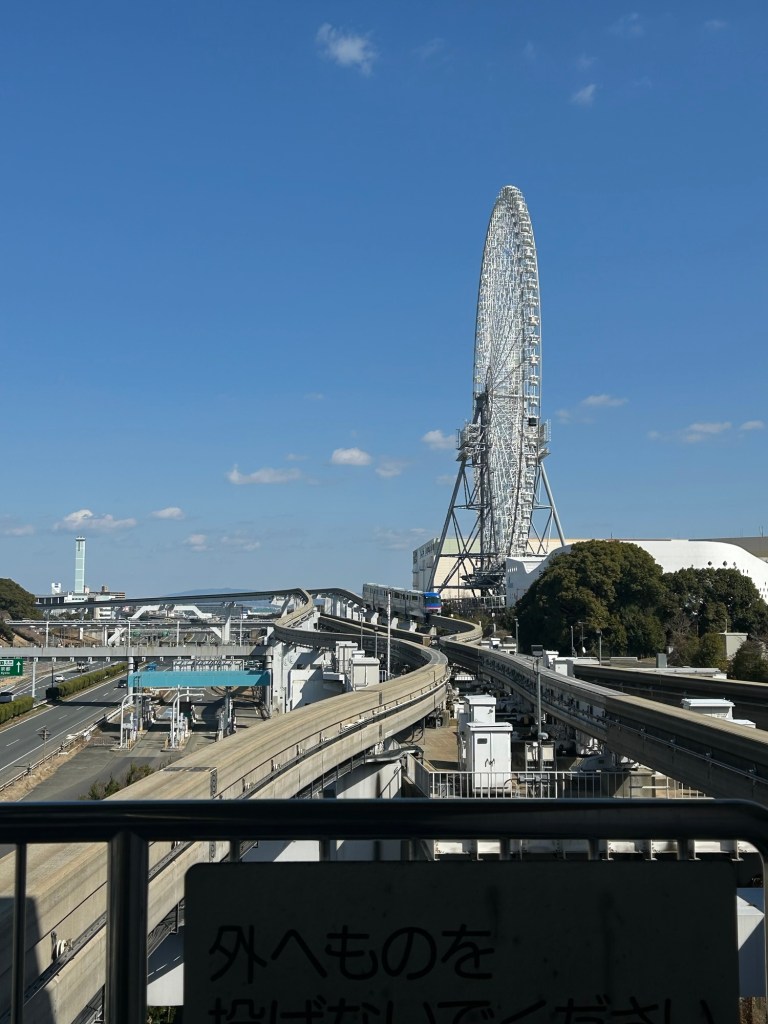
Getting to the park was straightforward. We took the Midosuji Line from Osaka Station to Senri-Chuo, then switched to the Osaka Monorail for a short ride to Bampaku-Kinen-Kōen Station. The monorail stops right by the entrance, which makes access pretty convenient. The ride on the monorail itself was exciting (and perhaps a little daunting an experience if you’re not used to travelling this way!).
Exploring the Park
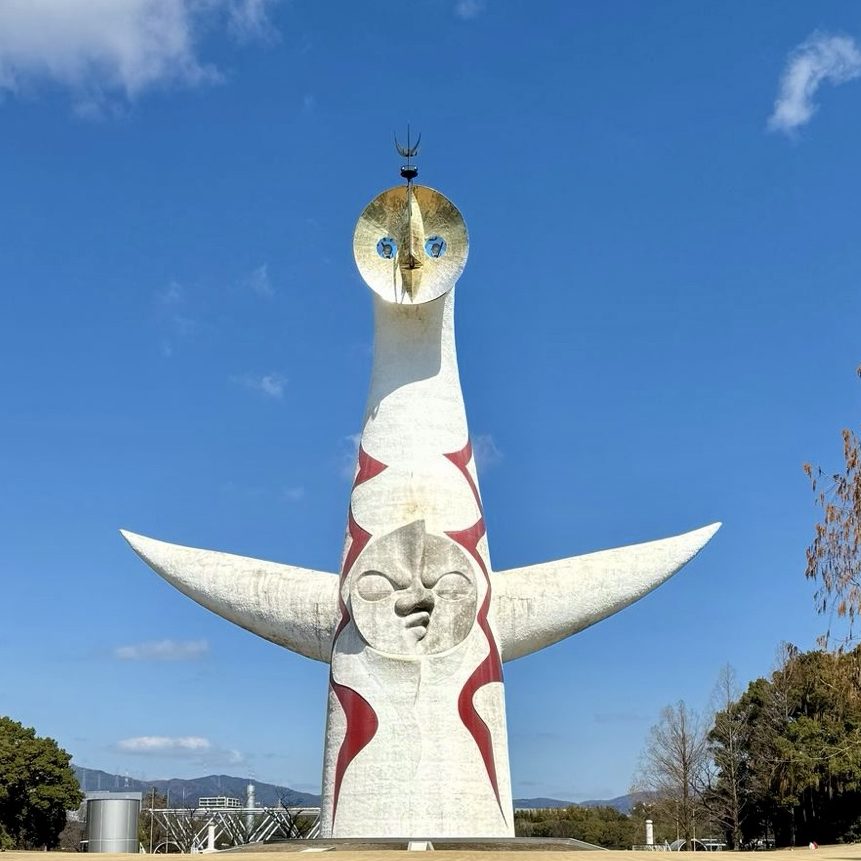
One of the first things I saw upon entering was the Tower of the Sun, an unusual sculpture standing at 70 meters tall. Designed by artist Taro Okamoto, it was originally created for the Expo and has been preserved ever since. The tower has a distinct look, with large outstretched arms and multiple faces representing different aspects of time. We didn’t book a tour to see the inside, but were surprised to find out that this is an option. Admission to the Tower of the Sun Museum is by reservation only. (A minimum of a 1-day advance reservation is required.)
Tower of the sun!
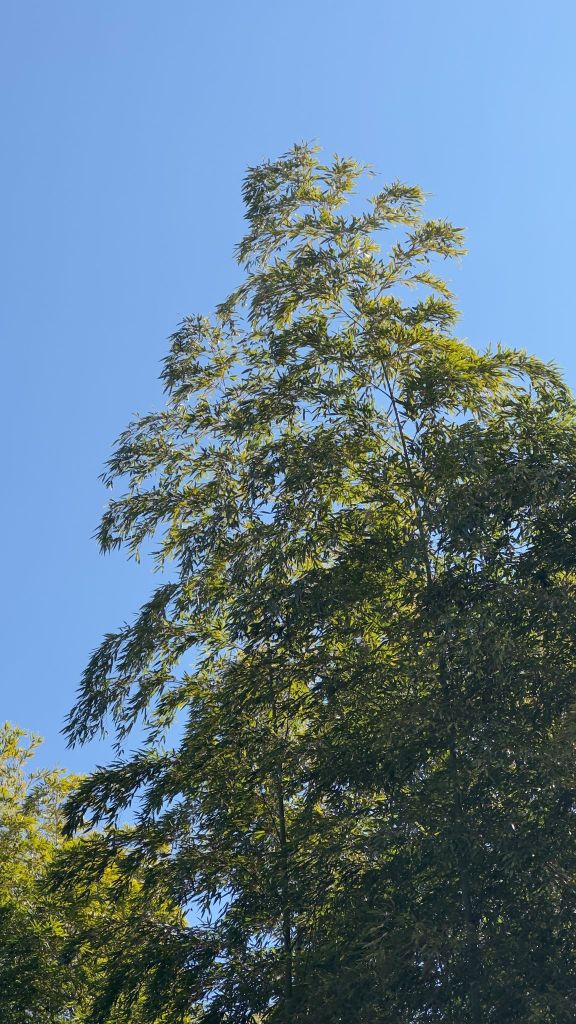
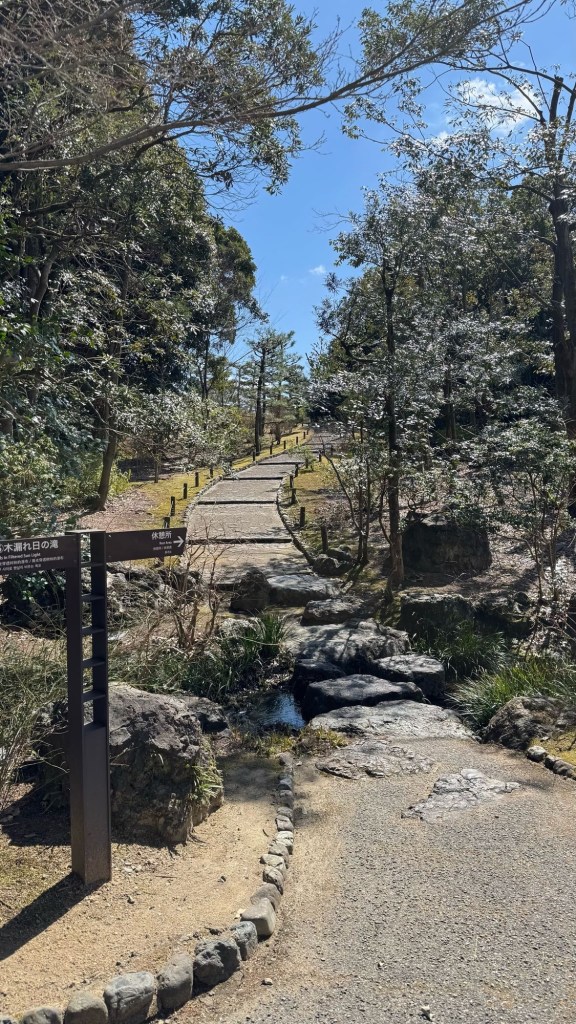
After walking past the tower, we headed toward the Japanese Garden. It was well-maintained, with ponds, bridges, and a mix of different landscaping styles. Depending on the season, you can see cherry blossoms (spring) or autumn foliage (November-December). You can also see bamboo swaying gently in the breeze, which I personally found more relaxing than the Arashiyama Bamboo Forest in Kyoto which has become a tourist hotspot.
The gardens are fun for all ages and there is an interactive stamp collection activity, if you collect just 5 stamps on your way around you will get a lovely gift! I won’t spoil the surprise for you…
For those interested in history and culture, the park has a couple of museums. The National Museum of Ethnology showcases cultural artifacts from around the world, while the Expo ’70 Pavilion focuses on the history of the 1970 World Expo. We walked through the Pavilion, which had exhibits on the futuristic designs and ideas presented at the Expo. It was a small but interesting look into Japan’s post-war era of rapid growth.
For those who enjoy activities, the park has something called “Banpaku BEAST”, an athletic facility that utilises a hexagonal platform using unique technology from Germany. You can enjoy various activities such as climbing, slacklining, and aerial bicycles at this facility. There are 121 types of activities. With a high level of safety, people of all ages, from elementary school students to seniors, can experience them. The athletic area is on four floors, and there is also an observation deck on the rooftop that offers a panoramic view of the park. An additional fee is required to enter the BEAST!
Food wise, there were a few food stalls inside the park selling mostly selling snacks and drinks. Vending machines are also there (of course). If you’re looking for more options, Expo City, a large shopping and entertainment complex right next to the park, has restaurants, an aquarium, and a shopping mall. This includes a buffet-style KFC… yes you read that right!
Is a visit to the Commemorative Park worth it?
Expo ’70 Commemorative Park isn’t typically a tourist attraction, but it’s a lovely place to visit if you enjoy open spaces, walking trails, or learning about Osaka’s history. The Tower of the Sun was the main highlight for me, and the gardens make for a relaxing day out. I would highly recommend a visit if you’re looking for a break from the city, a day out with family relaxing with a picnic, or have an interest in the legacy of the 1970 Expo. Just make sure to take sunscreen and hats as the park is a large open space, with not much shelter. We will definitely be back!
Exploring Japan’s Heritage and Scenic Beauty from Osaka
Osaka makes an ideal base for day trips to some of Japan’s most enchanting destinations. Two of my absolute favourite spots for a one-day (or two-day!) adventure are Nara, home to ancient temples and friendly deer, and Uji, renowned for its matcha and picturesque riverside scenery.
This itinerary combines history, nature, and relaxation, offering a day packed with unforgettable experiences. Whether you’re looking to meet Nara’s famous deer, marvel at ancient temples, or enjoy a tranquil boat ride or hike along the Uji River, this guide has everything you need, including travel tips, costs, and insider recommendations. If you’ve been asking yourself ‘Can I visit Nara and Uji in one day?’, I’m here to tell you yes, you absolutely can.
Feed Sacred Deer in Nara
Start your day early to make the most of your visit. Catch the Kintetsu Limited Express from Osaka-Namba Station to Kintetsu-Nara Station. This 40-minute journey costs ¥1,070 (£6) one way and offers a faster and more convenient option for reaching Nara. Alternatively, take the JR Yamatoji Line from Osaka Station to Nara Station, which takes about 50 minutes and costs ¥800 (£4.50).
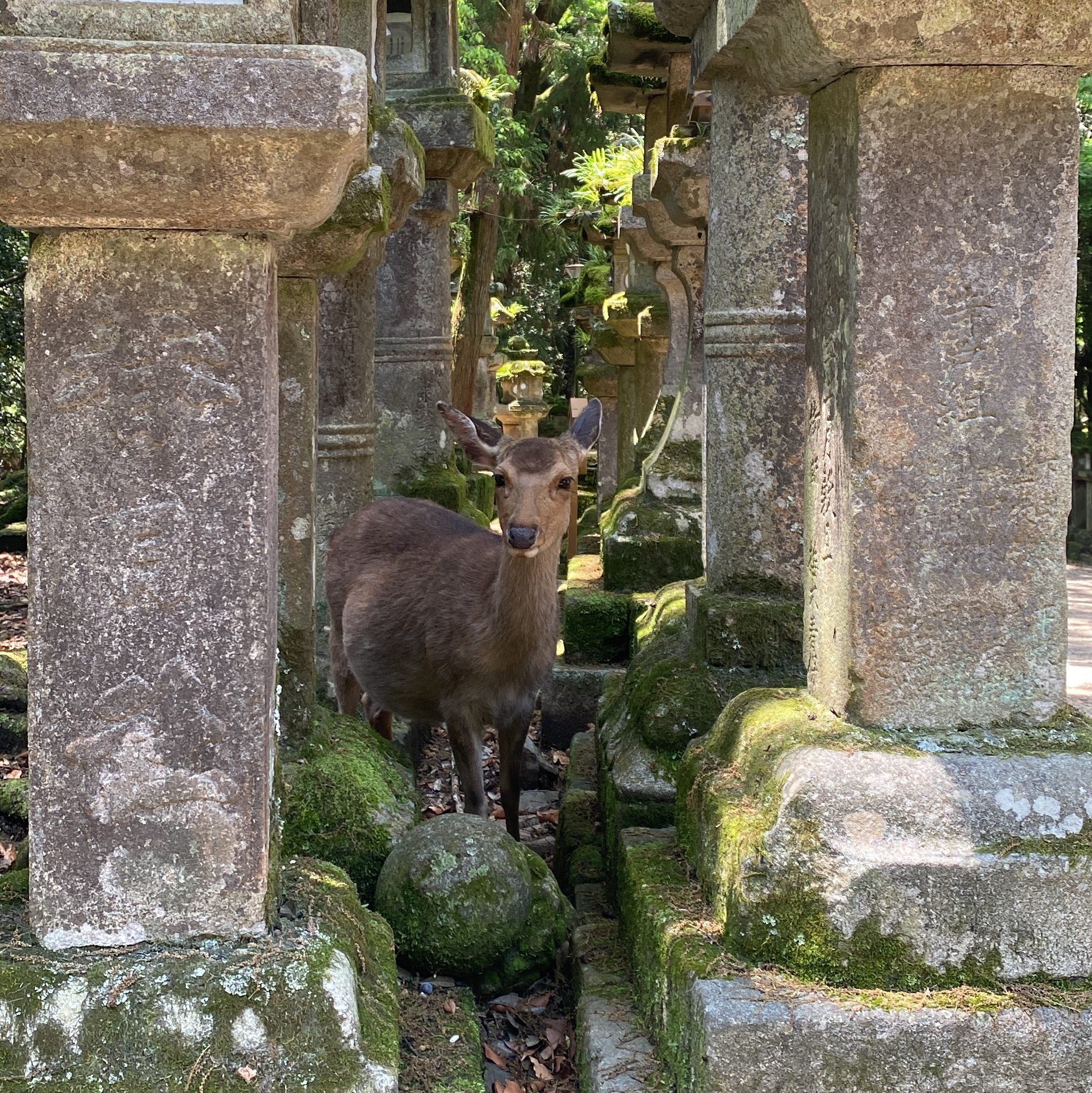
Nara Park is a sprawling 502-hectare area that is home to over 1,000 free-roaming Sika deer. These deer are considered sacred messengers of the gods in Shinto belief, and they are now a symbol of Nara. To get to Nara Park from the train station, I recommend walking approximately 20 minutes along Sanjo dori Street which has a variety of souvenir and convenience stores en route. A chance to experience the famous mochi pounding at Nakatanidou en route is another reason to walk.
Alternatively, you can hop on a local bus with unlimited rides throughout the day for just ¥600 (£3) and ¥300 (£1.50) for children. There are three pass options to choose from, each covering different areas, check out the map areas here. The one-day pass is best if you’re tight on time and want to see the main sights of the park.
If you would like to spend more time in Nara, you can also book a bus tour in advance using Nara Kotsu Bus. They offer English speaking tours of the park, with visits to temples, shrines and Mt. Wakakusa for ¥11,000 (£57).
Once in the park, you will spot vendors selling crackers at stalls for ¥200 (£1). As delicious as they look, these are not for you to eat… they are shika senbei (deer crackers) which you offer to the deers as snacks. Be prepared—the deer will bow politely to you in exchange for them, but some can be quite persistent, so keep your own snacks secure! If a deer pesters you, hold up your hands to show them that you have no food to offer & they will then walk away.
Next, visit Todai-ji Temple, one of Japan’s most famous landmarks and a UNESCO World Heritage Site. The temple is home to the Great Buddha (Daibutsu), a 15-metre-tall bronze statue housed in the world’s largest wooden building, the Daibutsuden. Entry costs ¥600 (£3.50) for adults. Take your time to admire the intricate architecture and the peaceful atmosphere of the temple grounds.
After visiting Todai-ji, walk through the park to reach Kasuga Taisha Shrine, another UNESCO site. This Shinto shrine is renowned for its hundreds of stone and bronze lanterns, which create a mystical atmosphere. Entry to the inner area of the shrine costs ¥500 (£3), but you can also enjoy the scenic outer grounds for free.
For those who enjoy hiking, the nearby Mount Wakakusa offers a short climb with panoramic views of Nara and the surrounding countryside.
Lunch in Nara
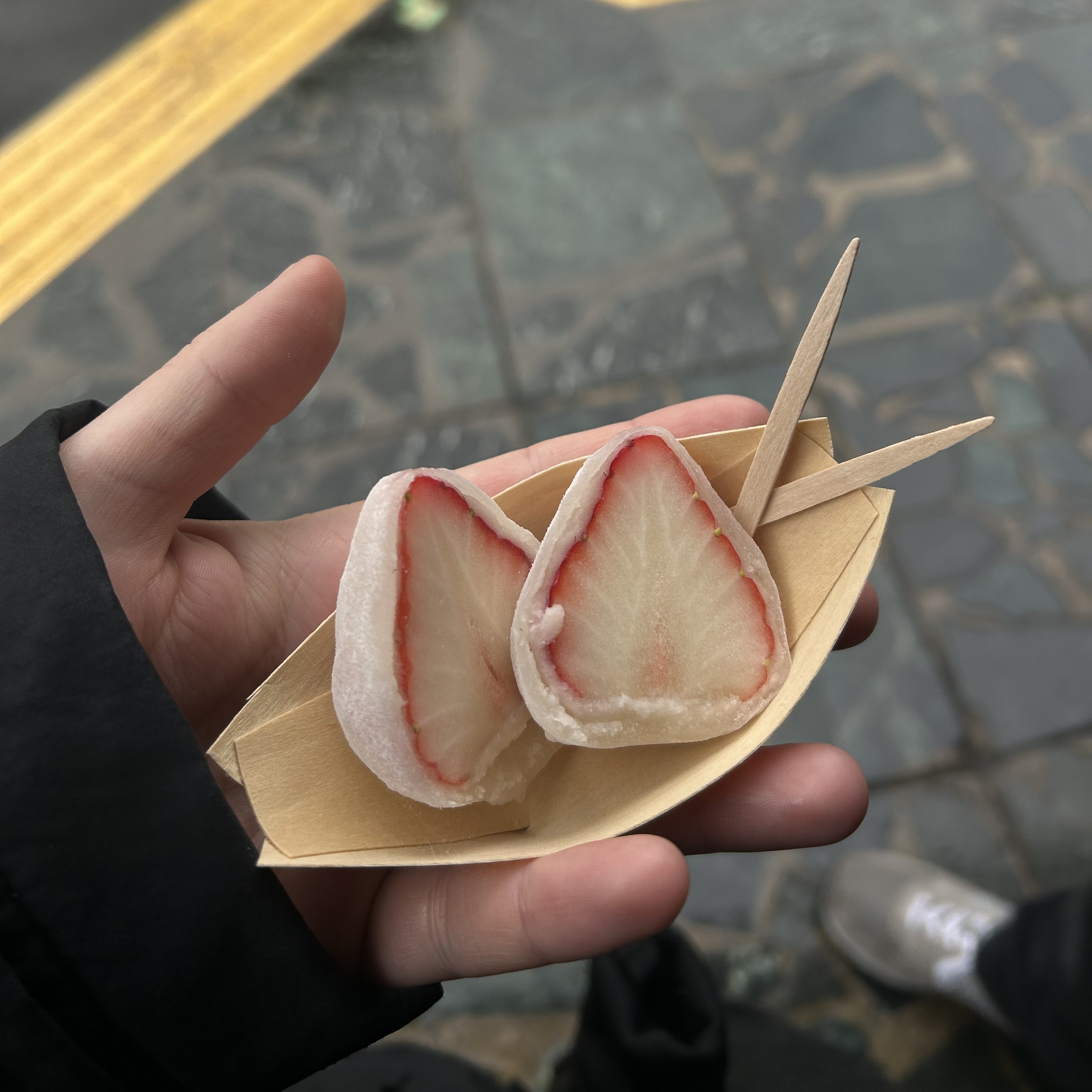
Nara has plenty of excellent options if you’re feeling pekish. Try kaki-no-ha sushi, a type of pressed sushi wrapped in persimmon leaves, or enjoy a bowl of kitsune udon, a noodle soup topped with sweetened fried tofu. Restaurants around Nara Park often offer set meals for ¥1,000–¥1,500 (£6–£8). For a quick bite, grab some street food from the stalls near the park, including freshly grilled mochi and taiyaki (fish-shaped pastries filled with red bean paste). For something sweet, a personal favourite of mine is the mochi fruit from Ben Zai Ten, located halfway along Sanjo Dori Street on return to the station. Here you can try the soft and delicious, vegan fruit mochi. The strawberry is my favourite!
Next Stop – Uji!
Uji is closer to Nara than you may think. From Nara, take the JR Nara Line to Uji Station. This 40-minute ride costs ¥620 (£3.50). Uji is a dramatic riverside town steeped in history and famous for producing Japan’s finest matcha green tea. If you were looking for a place to try it, Uji is the perfect location to do so.
From the station, take a leisurely stroll down Omotesando Street, Uji’s main shopping and dining area. Here, you’ll find numerous tea houses and shops where you can sample and purchase high-quality matcha products. Treat yourself to matcha ice cream, cakes, or even matcha soba noodles. Many shops offer free tastings of green tea, so you can learn about the different grades and flavours.
For a more immersive experience, book a tea ceremony session at one of the local tea houses, where you can learn about the traditional preparation and significance of matcha. Prices for matcha treats range from ¥300–¥800 (£1.50–£4.50), while a tea ceremony may cost around ¥1,500 (£8.50).
At the end of Omotesando Street, you will be near the must visit Byodoin Temple, a stunning example of Buddhist architecture and another UNESCO World Heritage Site. The temple’s Phoenix Hall is so iconic that it’s featured on the back of the ¥10 coin. Admission costs ¥600 (£3.50) and includes access to a museum displaying treasures from the temple’s history.
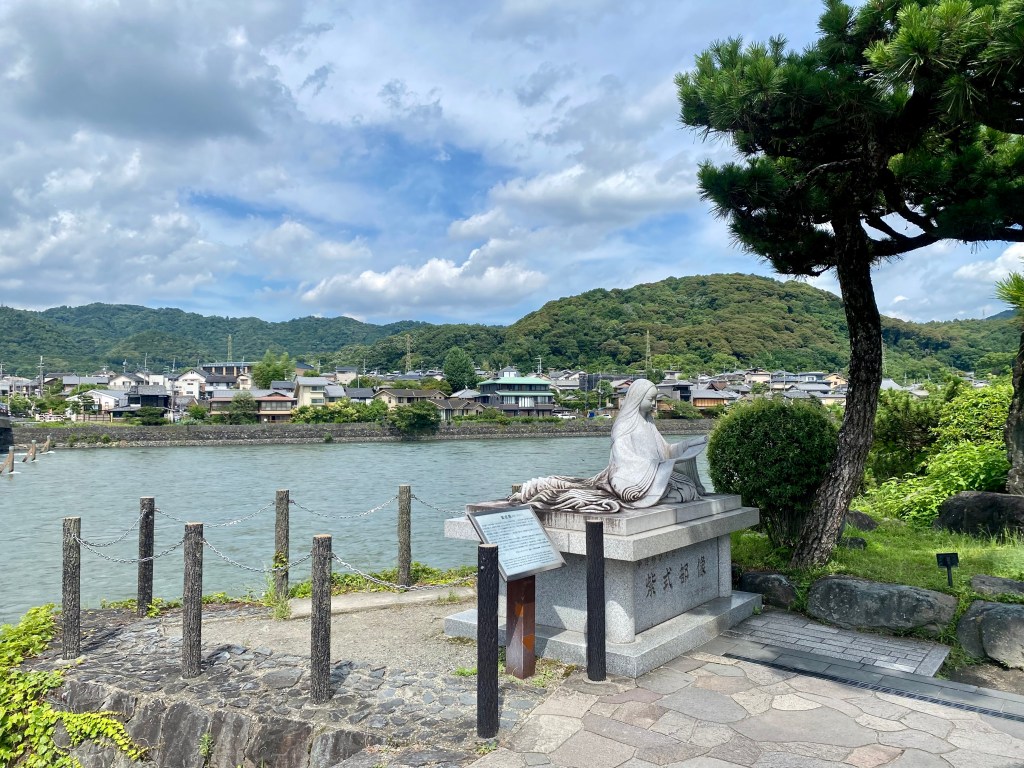
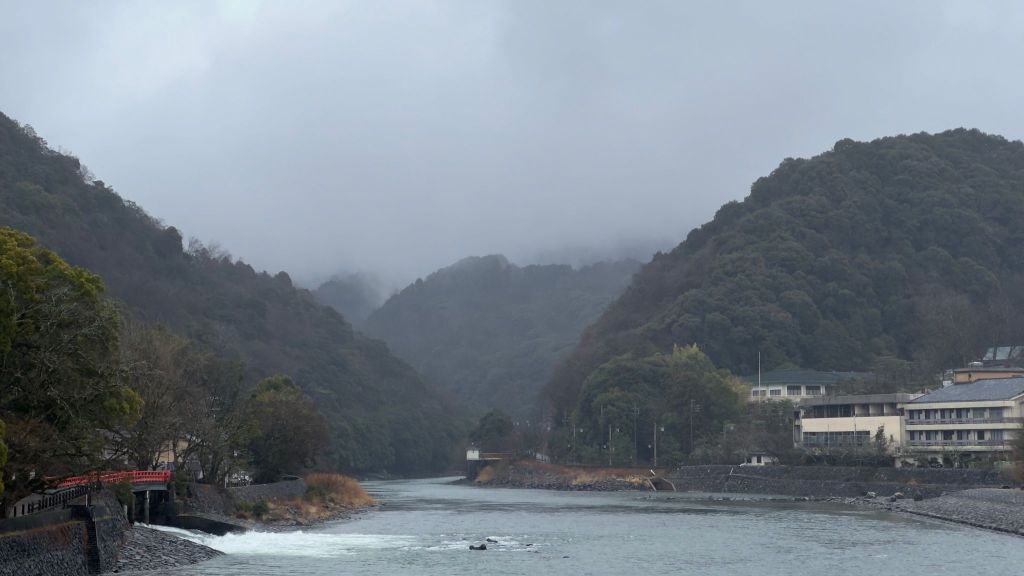
Start to wind down your day with a serene boat ride along the Uji River. These rides provide stunning views of the river’s lush surroundings, historic bridges, and traditional houses. Tickets for a 30-minute boat ride cost approximately ¥1,500 (£8.50) per person. Uji is beautiful regardless of the weather. In summer it has a serene, calming atmosphere while in winter the mountains make for a dramatic landscape as shown in the photos below.
The beautiful Uji river on a hot summers day (July 2024)Dramatic view of the Uji River and Mountains taken from the Asigiri Bridge (March 2025)
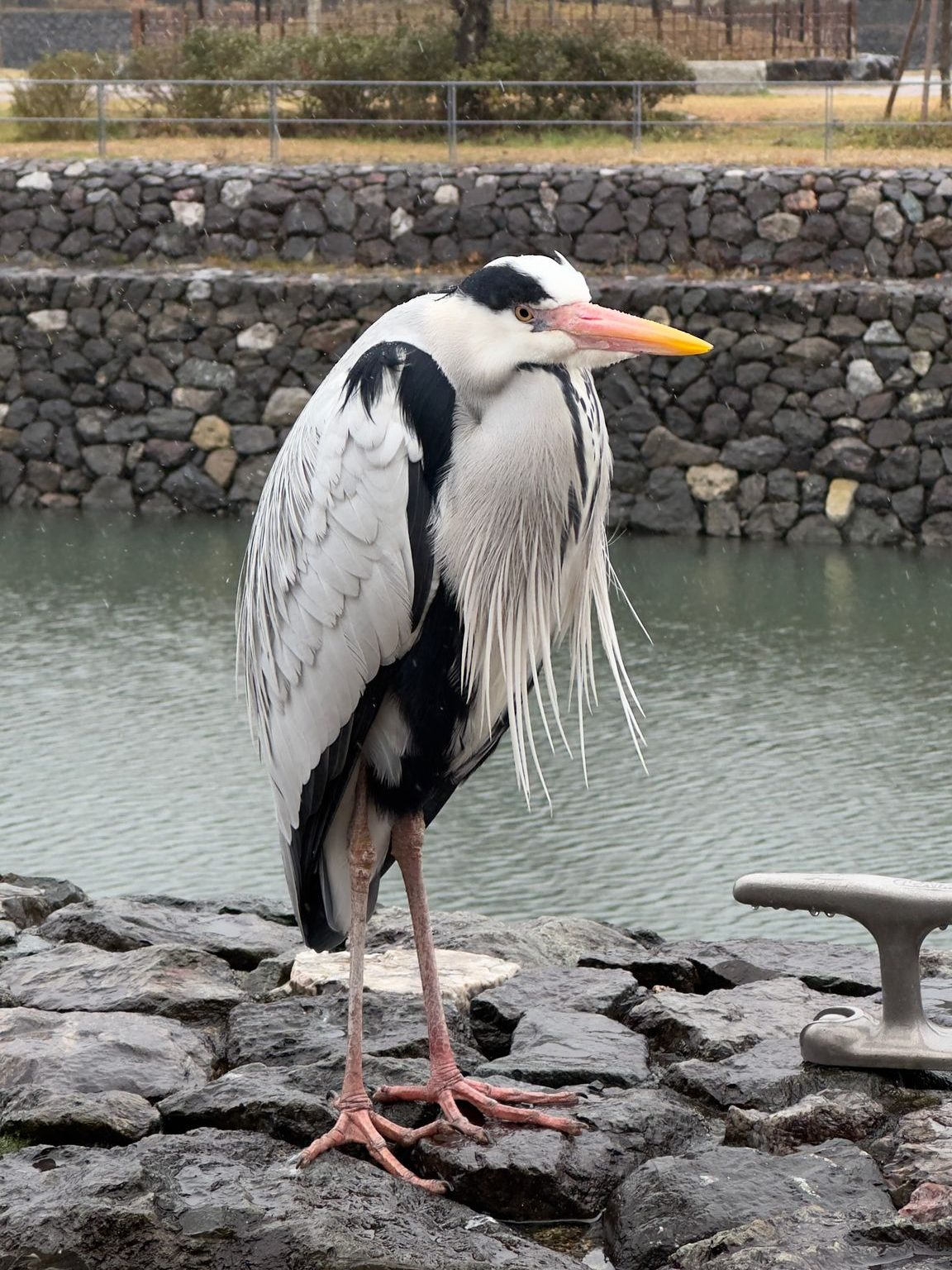
There is majestic wildlife in Uji. Grey Herons can be spotted all year round and during the summer months (late June to mid-September), you may be lucky enough to witness ukai, a centuries-old method of cormorant fishing. This traditional fishing technique, performed at night using trained birds, is a fascinating spectacle unique to Uji. The herons that we saw reminded us of Hayao Miyazaki’s 2023 film,The Boy and the Heron.
If you prefer to stay on land, enjoy a riverside walk along the Asigiri Bridge and consider a visit the Tale of Genji Museum, which celebrates Uji’s connection to Japan’s famous literary classic, The Tale of Genji. Alternatively, or if you still have time, you can also visit Daikichiyama fuchi Park and its observation deck to enjoy the sunset before heading back to Osaka.
From Uji Station, take the JR Nara Line back to Osaka. The journey takes about 50 minutes and costs ¥800 (£4.50). Aim to catch a train by 7:00 PM to arrive in Osaka in time to enjoy a relaxed evening in the city or explore its lively dining scene.
Was visiting Nara and Uji worth it?
Perfect for nature lovers, Nara and Uji are must visit destinations in my opinion. Each providing unique and serene landscapes within easy reach of Osaka, they take you away from the concrete jungle and allow you to reconnect with nature.
Trip extension idea: If you have more than a day, or don’t need to head back toward Osaka, I recommend extend your adventures by taking the train from Uji toward Kyoto, being sure to stop at the famous and popular Fushimi Inari along the way. Within this itinerary you could also consider stay overnight in Nara at one of the local deer hostels located in the heart of the park for an immersive experience. We recently stayed at The Deer Park Inn for a very reasonable price and deer came to greet us in the garden!

 Visit Osaka