Tag: japan

  • Osaka Aquarium Kaiyukan

    Osaka Aquarium Kaiyukan

    Osaka is a city bursting with energy, culture, and world-class attractions, but one of its alternative offers is one of the largest and most impressive aquariums in the world! Kaiyukan offers visitors a chance to dive into the wonders of the ocean without leaving the city.

    When my husband and I visited Osaka, we made it a point to spend an afternoon at this attraction. It’s a perfect stop for families, couples, or anyone who loves marine life and immersive experiences. Here’s how to make the most of your visit to Kaiyukan and the surrounding area.

    Morning: Osaka Aquarium Kaiyukan

    From central Osaka, head to Osaka Station and take the Osaka Loop Line to Bentencho Station. Transfer to the Chuo Line, which will take you to Osakako Station near the aquarium. The journey takes about 30 minutes and costs ¥280 (£1.50) one way. Alternatively, taxis are convenient but will cost around ¥2,000 (£11).

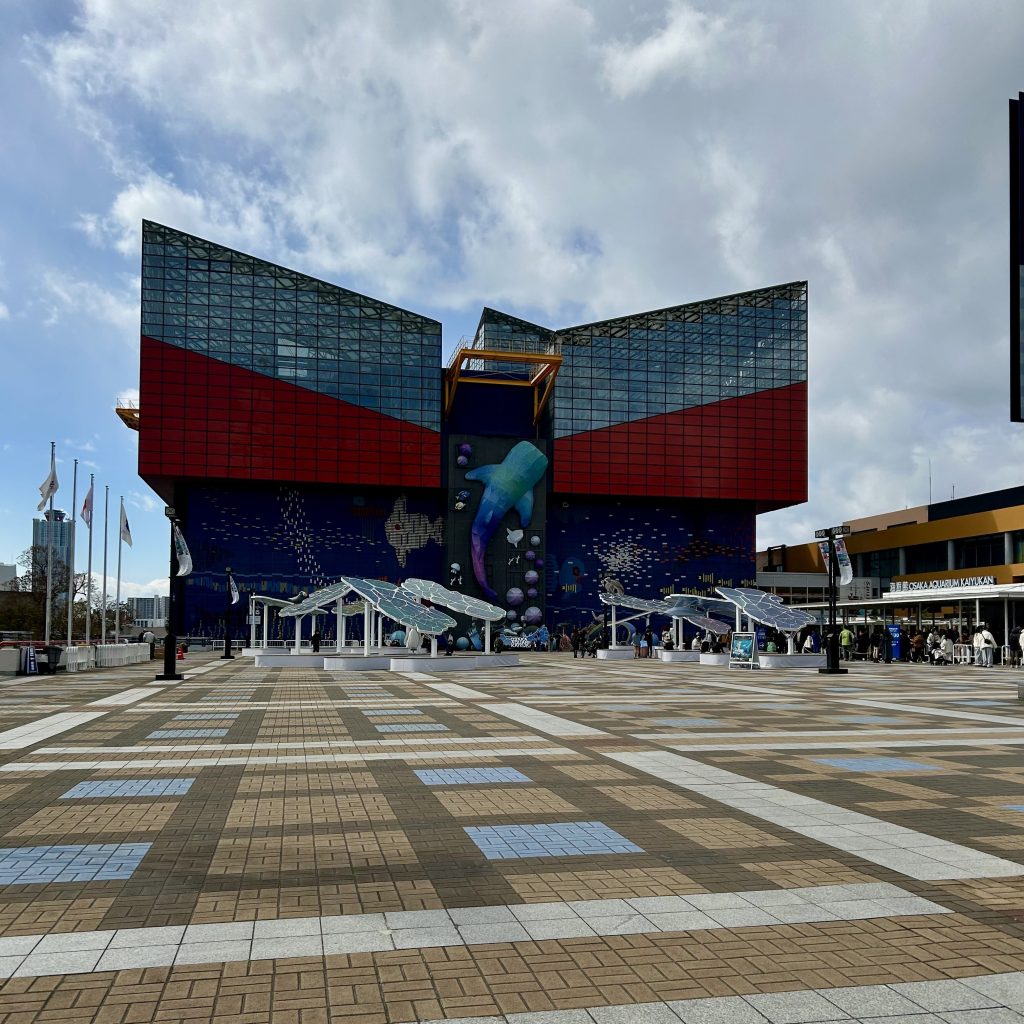
    As you approach the aquarium, you’ll notice its striking architecture—a massive glass-and-steel structure inspired by the natural world. Tickets cost ¥2,700 (£15) for adults and can be purchased online in advance to avoid queues. Note to purchase them directly from the venue itself. You can turn up on the day if you don’t mind queues.

    Start your visit by stepping into the aquarium’s immersive world. Kaiyukan’s unique design takes you on a spiral journey around its central tank, featuring the majestic Pacific Ocean exhibit. Here, you’ll encounter the aquarium’s star resident, a whale shark, peacefully gliding through the water alongside manta rays and shoals of fish.

    Each exhibit is themed around a specific region of the Pacific Rim, such as the Aleutian Islands, the Great Barrier Reef, and the Japan Deep Sea. Highlights include playful sea otters, jellyfish, and adorable penguins waddling about. Plan to spend at least two to three hours exploring all 15 tanks.

    Lunch: Tempozan Market Place

    After your visit, head next door to the Tempozan Market Place. This shopping and dining complex offers a variety of food options, including fresh seafood, ramen, and takoyaki (Osaka’s famous octopus-filled street food). A typical meal will cost around ¥1,000–¥1,500 (£6–£8).

    If you’re in the mood for something sweet, try the matcha-flavoured ice cream or a freshly baked melon pan. The market also has plenty of souvenir shops where you can pick up quirky marine-themed gifts.

    Afternoon: Tempozan Harbour Village

    Once you’ve refuelled, take some time to explore Tempozan Harbour Village, the area surrounding the aquarium. One of the main attractions here is the Tempozan Giant Ferris Wheel, one of the tallest in Japan. For ¥800 (£4.50), you can enjoy views of Osaka Bay, the city skyline, and even as far as Mount Rokko on a clear day.

    For those travelling with kids, the nearby LEGOLAND Discovery Centre is a fun indoor attraction. Alternatively, you can simply take a relaxing walk along the harbour and watch the boats pass by.

    Evening: Sunset Cruise or Return to Central Osaka

    If you have time before heading back to central Osaka, consider taking a Santa Maria cruise, which departs from the harbour and offers dinner and sunset tours of Osaka Bay. Tickets cost ¥1,600 (£9), and the experience provides a serene way to wind down your day.

    I hope this guide helps you plan your trip and inspires you to include Kaiyukan on your Osaka itinerary.

  • Hiroshima and Miyajima Island Itinerary (from Osaka)

    Hiroshima and Miyajima Island Itinerary (from Osaka)

    Hiroshima today is a symbol of hope and resilience. It has become a global advocate for peace and a place of reflection and learning. When I visited Hiroshima with my husband, we spent a couple of days exploring its history and beauty, including a trip to the stunning Miyajima Island nearby. This two-day itinerary offers a balance between the city’s poignant history and the natural charm of its surroundings.

    Day 1: Exploring Hiroshima’s History

    Morning
    Catch the Shinkansen from Osaka to Hiroshima. The fastest train, the Nozomi, costs around ¥10,570 (£58) one way and takes about 1 hour 30 minutes. If you have a Japan Rail Pass, you’ll need to take the slightly slower Hikari or Sakura trains, as the Nozomi is not covered.

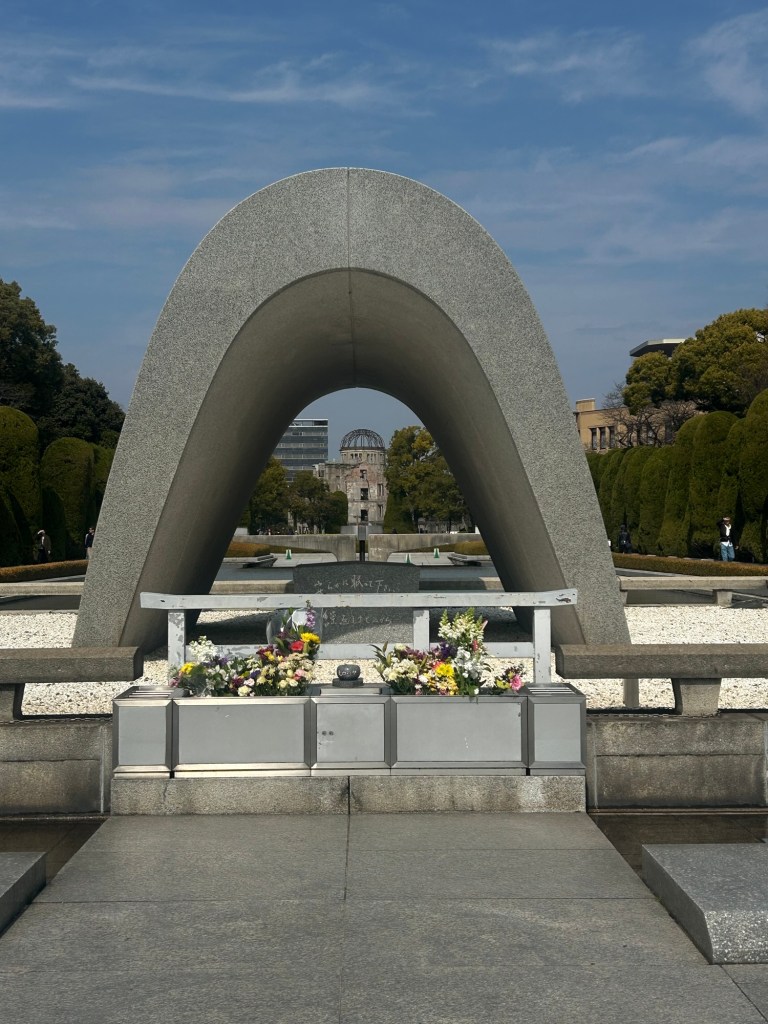
    Once in Hiroshima, head straight to the Hiroshima Peace Memorial Park, a place of reflection and remembrance. Begin at the Peace Memorial Museum, which provides a sobering and detailed account of the events of 6th August 1945. Then take a quiet walk to reflect through the park and visit key landmarks, including the Atomic Bomb Dome, the Children’s Peace Monument, and the Cenotaph for the A-Bomb Victims.

    Finally, stop at the Hiroshima National Peace Memorial Hall for the Atomic Bomb Victims, a tranquil space dedicated to honouring those who lost their lives.

    Lunch
    By midday, recharge with a plate of Hiroshima-style okonomiyaki, a delicious savoury pancake layered with noodles, seafood, and vegetables. Two popular spots near the park are Okonomimura and Nagata-ya. Expect to spend around ¥1,000–¥1,500 (£6–£8) per person and make sure to bring cash with you as some locations don’t accept card payments.

    Afternoon
    After lunch, make your way to Hiroshima Castle, a reconstructed samurai stronghold surrounded by a peaceful moat and park. Climb to the top of the castle for panoramic views of the city and learn about Hiroshima’s history before the war.

    Next, stroll to Shukkeien Garden, a traditional Japanese garden with scenic ponds, stone bridges, and seasonal flowers. This is an ideal spot to relax and reflect after a morning of learning about the city’s past. Entry is just ¥260 (£1.50).

    Evening
    End your day with dinner in downtown Hiroshima. Try the region’s famous oysters at a local izakaya, or explore the lively Hondori Shopping Arcade for a mix of restaurants and boutiques. If oysters aren’t your thing, Kanayama Base has a cosy atmosphere, welcoming staff and delicious food (& beer!). For a quieter evening, take a walk along Peace Boulevard, where the riverside atmosphere is particularly charming.

    Stay overnight near Hiroshima Station for easy access to the next day’s adventure. We opted for En Hotel which was affordable at £48 a night, close to the station and had all we needed!

    Day 2: Exploring Miyajima Island

    Spend your second day exploring the natural beauty and cultural treasures of Miyajima Island. The Global Peace Summit is often held here.

    Morning
    Set off early by taking the JR Sanyo Line from Hiroshima Station to Miyajimaguchi Station (30 minutes, ¥420/£2.30 one way), followed by a short 10-minute ferry ride to Miyajima. The ferry is included in the Japan Rail Pass, or costs ¥180 (£1) each way without it.

    As you approach the island, you’ll see the iconic floating torii gate of Itsukushima Shrine, one of Japan’s most famous views. Spend your morning wandering through the shrine, exploring its beautiful wooden structures and marvelling at the torii gate from various vantage points. At low tide, you can even walk out to the base of the gate for a closer look.

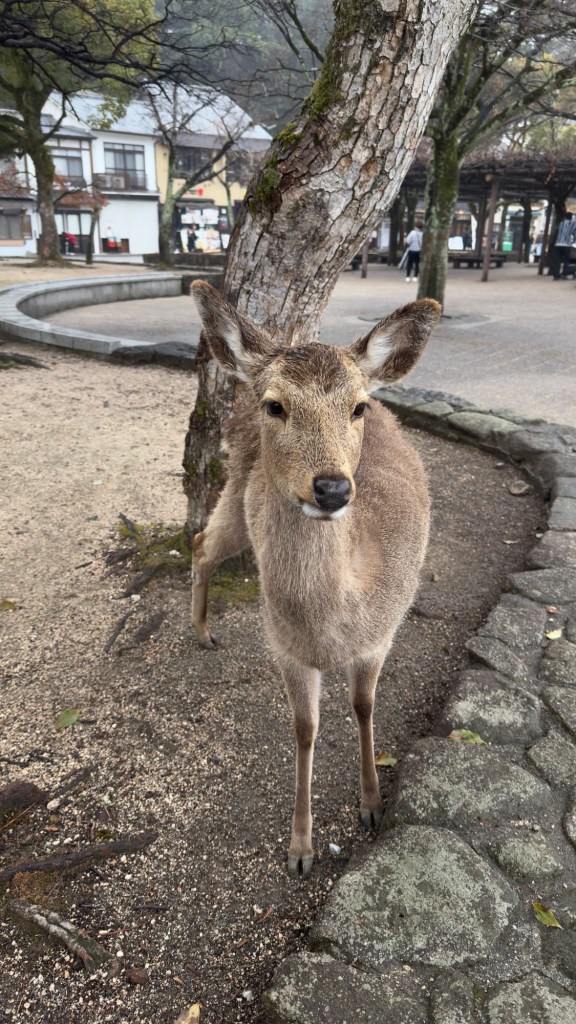
    Wild Deer: Throughout the island, you’ll encounter Miyajima’s free-roaming deer, considered sacred in Shinto belief. These friendly creatures will happily approach you for snacks, so keep an eye on your belongings!

    Lunch
    Sample Miyajima’s street food, including grilled oysters, freshly skewered fish, and momiji manju, a sweet treat shaped like a maple leaf. Omotesando Shopping Street is a great spot for a relaxed lunch and souvenir shopping. Expect to spend around ¥1,000–¥1,500 (£6–£8).

    Afternoon
    Adventure awaits on Mount Misen, the island’s highest peak. You can hike up (around 90 minutes each way) or take the Miyajima Ropeway (round trip ¥2,200/£12) for spectacular views of the Seto Inland Sea. At the summit, visit the Reikado Hall, where the “eternal flame” has been burning for over 1,200 years, and enjoy the breathtaking panoramas.

    After descending, spend a little more time exploring the island’s temples, shops, or quiet coastal paths before returning to the mainland.

    Evening
    Head back to Hiroshima by ferry and train, then catch the Shinkansen back to Osaka. Aim to leave Hiroshima by 6:00 PM to arrive in Osaka by 7:30 PM.

    This two-day itinerary offers a thoughtful mix of history, culture, and natural beauty, leaving you with a profound appreciation for Hiroshima’s resilience and Miyajima’s timeless charm. I hope that you find it useful and that it inspires you to go on your trip!

  • Exploring Morinomiya (Osaka Castle and more!)

    Exploring Morinomiya (Osaka Castle and more!)

    Morinomiya is known as one of the nicest areas in Osaka. The JR Osaka Loop Line and Osaka Metro Chuo Line both have stops at Morinomiya Station, making it convenient to explore from anywhere in the city. Having lived in Morinomiya myself, here are some of the best things to do within the immediate area.

    Visit Osaka Castle

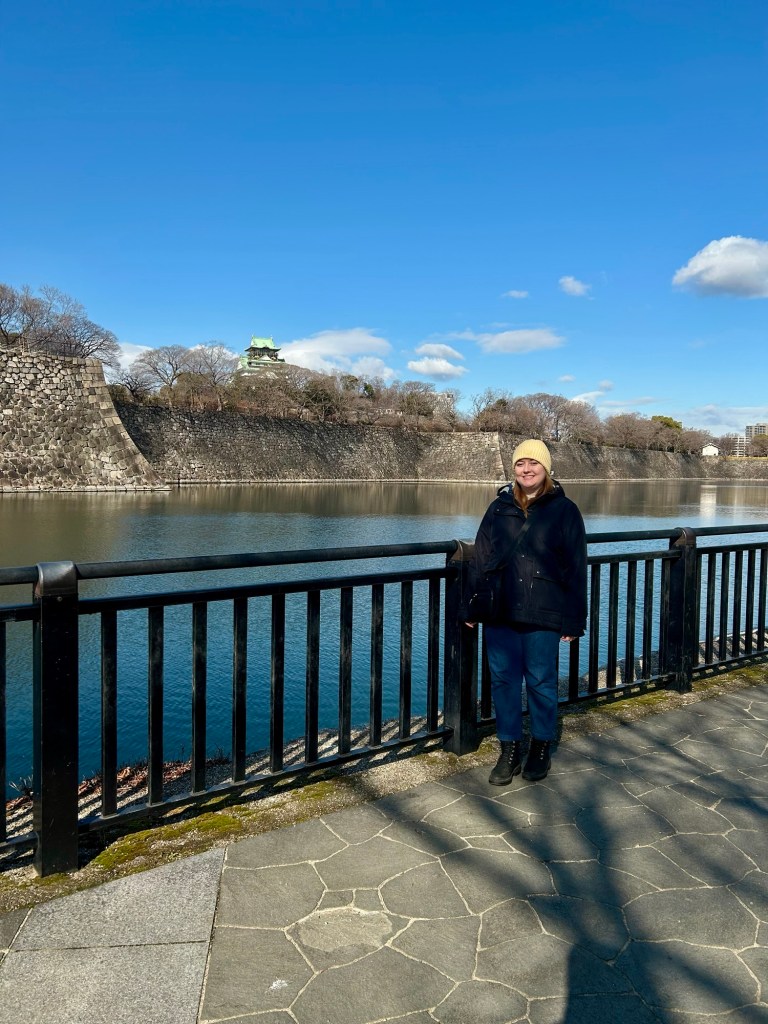
    At the heart of Morinomiya stands the iconic Osaka Castle, one of Japan’s most famous landmarks. Originally built in 1583 by Toyotomi Hideyoshi, the castle played a pivotal role in Japan’s history. Today, visitors can explore the museum inside, which offers fascinating insights into the castle’s past. You can also dine like a king or queen near the castle at the Blue Birds Rooftop Terrace, which provides an ideal summer BBQ style setting with views of the castle.

    Surrounding the castle is Osaka Castle Park, a beautiful green space that changes with the seasons. In spring, it becomes a prime cherry blossom viewing spot, while in autumn, the golden leaves create a picturesque landscape. The park is perfect for a leisurely stroll, a morning jog, or a peaceful picnic. You can also take a relaxing boat ride along the river surrounding the castle to rest your legs.

    Osaka History Museum

    A trip to the Osaka History Museum is a great thing to do on a rainy day in Osaka. It has something for all of the family alongside panoramic views on each level. The entrance fee is just ¥600 per person and the exhibits have english written alongside them as well as Japanese – very considerate for tourists!

    To reach the Osaka History Museum, I recommend taking a short walk from Tanimachi 4-chome Station. The route is straightforward and gives you a glimpse of Osaka’s vibrant cityscape before you step into its rich history. Along the way, you might pass small cafes and convenience stores—ideal for a quick refreshment before starting your visit.

    I provide more information on the museum and whats included inside in a separate blog, check it out here.

    Naniwa Palace Ruins Park

    If you’ve been to the Osaka History Museum you will know all about this site. This historic park spreads over the area of ​​Hoenzaka in Chuo Ward, Osaka City. In 1961, an excavation by Dr. Yamane Tokutaro, a professor at Osaka City University, confirmed the remains of two Naniwa Palace palaces, one from the Asuka period to the Nara period. Currently, the central area of ​​the palace, covering an area of ​​about 90,000 square meters, has been designated as a national historic site, and is being developed as a historic park.

    The historic site is marked in two ways: the later Naniwa Palace, built from 726, is marked on a level above ground level with a stone foundation; the earlier Naniwa Palace, built from 650, is marked on a level below ground level with red tiles, red granite pillars, and a camellia hedge. Also, in the north central part of the park is the restored Daigokuden, which is said to have been used by the Emperor when holding official national ceremonies, from which Osaka Castle can be viewed.

    Discover Tamatsukuri Inari Shrine

    For a taste of traditional Japan, visit Tamatsukuri Inari Shrine, one of the oldest shrines in Osaka, dating back to 12 BCE. This shrine is believed to bring good fortune, especially in love and relationships.

    At the shrine, a curved jewel is the dominant motif that the head priest has developed a kind of magatama philosophy with. In addition to describing the four souls possessed by all people,which must be kept in balance, he elaborates a theory of social and marital harmony. If there is a good fit between two magatama in a yin-yang pattern, they form a circle and can roll smoothly. In similar fashion, when two people’s souls fit in this way they can work well together to progress in the world. A special comma-shaped amulet helps keep these spirits in balance.

    E-Mobility Metro Town (LIMITED TIME ONLY)

    For transport enthusiasts, and those looking for something fun to do with kids in Osaka, the recently opened E-Mobility Metro Town provides an interesting activitiy. You may have seen posters for this across Osaka on subways and be wondering what it is!

    e METRO MOBILITY TOWN is a temporary experiential theme park running from January to October 2025. Designed by Osaka Metro, it offers futuristic and interactive attractions centered on urban living and transportation.

    Highlights include the “Future Experience Area,” featuring projection mapping, virtual time-space tours, and activities like designing vehicles in the “Kids Train.” Visitors can ride EV and autonomous buses, explore the “Future Station” metaverse, and enjoy the EV Kart Circuit. Sustainable concepts are showcased with repurposed subway cars and flying car displays, providing a glimpse into transportation’s future.

    Ticket prices vary by purchase method:

    • e METRO App: Adults ¥1,320–¥1,980, children ¥660–¥990
    • On-site: Adults ¥1,600–¥2,200, children ¥800–¥1,100.

    Children under 6 enter free (limit 2 per adult). Group discounts are available. Additional fees apply for some attractions, like EV Karts, which cost ¥2,000–¥4,000 depending on size. You can buy your tickets here.

    Dining in Morinomiya

    After immersing yourself in the historical and natural beauty of the area, Morinomiya offers a diverse culinary scene that caters to various tastes. The relaxed Morinomiya Q’s Mall base is located just over the road from the park and includes a food-hall offering a variety of affordable options for food. The mall contains several second-hand vintage, shops, a climbing wall, gym, and a running track on the roof! so it really caters to everyone. Beyond the mall, here are some notable dining establishments in the area:

    Gyoza no Ohsho Morinomiya

    A popular chain specializing in gyoza (Japanese dumplings) and a variety of Chinese-inspired dishes, known for its quick service and affordable prices.

    Warabimochi Kadofuji Morinomiya

    A dessert shop renowned for its warabimochi, a traditional Japanese confection made from bracken starch and covered in sweet toppings.

    Anbai Morinomiya

    A cozy eatery offering a range of Japanese comfort foods, including set meals and seasonal specialties.

    Suikoden Morinomiya

    An izakaya-style restaurant serving a variety of small plates, perfect for sharing over drinks in a relaxed atmosphere.

    Morinomiya Wa Cafe Kitajima

    A café blending traditional Japanese aesthetics with modern touches, offering a selection of teas, desserts, and light meals.

    That’s Pizza!

    A local pizzeria (and personal favourite of mine) known for its handcrafted pizzas with a Japanese twist, providing a unique dining experience.

  • Exploring Orange Street: Osaka’s Trendiest Shopping and Lifestyle District

    Exploring Orange Street: Osaka’s Trendiest Shopping and Lifestyle District

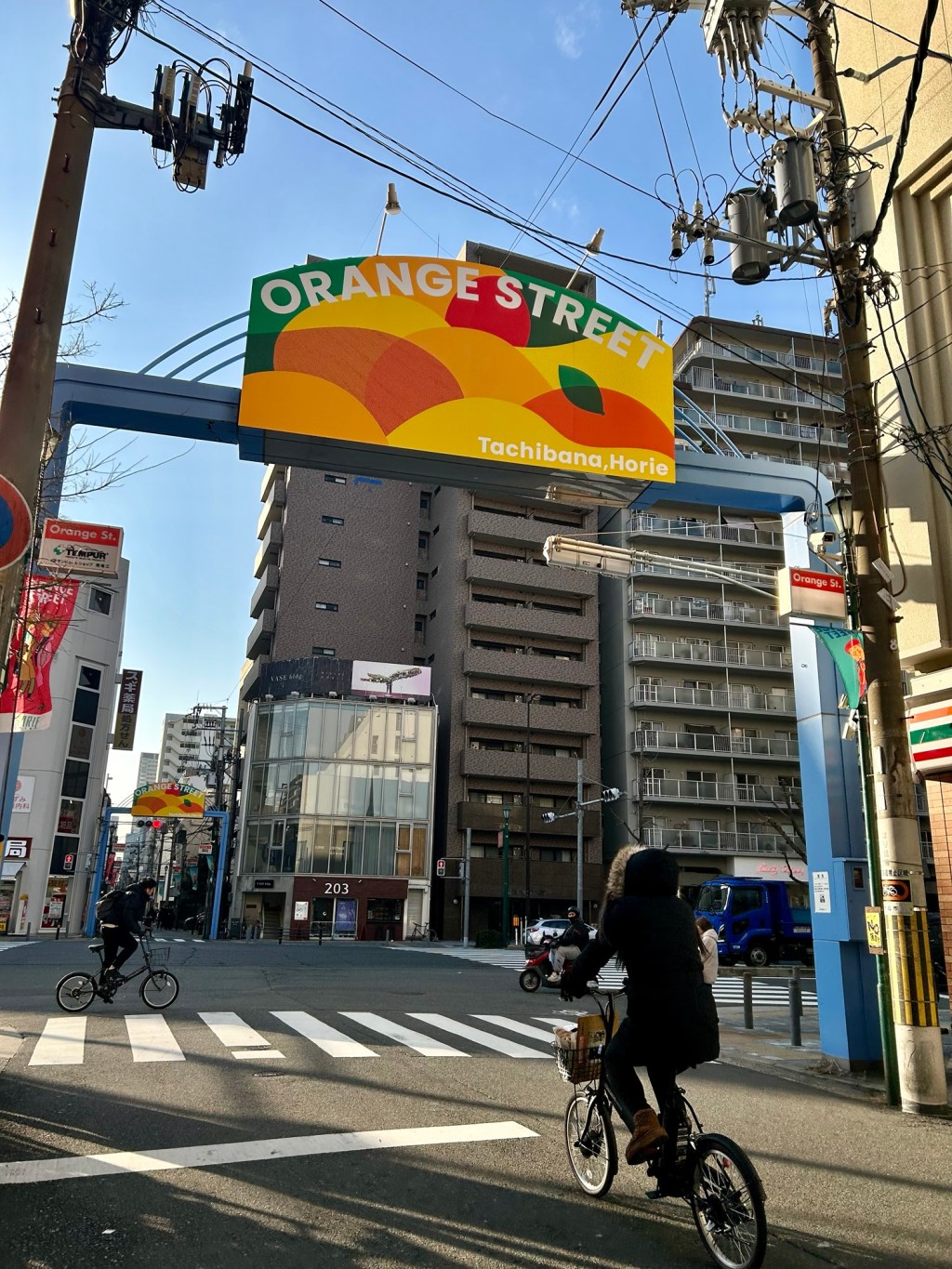
    If you’re looking for a stylish and creative side of Osaka, Orange Street (オレンジストリート, Orenji Dōri) is a must-visit. Officially known as Tachibana-dori, this trendy shopping street in the Minami district is a hub for fashion, design, and culture. Unlike the bustling neon lights of Dotonbori or the historic charm of Osaka Castle, Orange Street offers a more refined, laid-back experience—perfect for those who appreciate boutique shopping, artisanal cafés, and cutting-edge design.

    A Brief History of Orange Street

    Orange Street has a history dating back over 150 years. Originally, the area was a centre for furniture and home décor, with craftsmen and merchants selling high-quality goods. Over time, it evolved into a stylish destination, attracting fashion-forward brands, independent designers, and trendy cafés. While some furniture shops still remain, today’s Orange Street is better known as a creative district, blending Osaka’s traditional craftsmanship with modern innovation.

    What to Expect on Orange Street

    1. Fashion & Boutique Shopping

    Unlike the mainstream shops of Shinsaibashi, Orange Street is home to independent boutiques, local designers, and vintage stores. Here, you can find:

    • Japanese streetwear brands like Porter, Journal Standard, and Neighbourhood.

    • High-end vintage shops featuring rare trainers, denim, and designer pieces.

    • Concept stores that mix fashion, art, and home décor.

    If you love unique and carefully curated clothing, Orange Street is a paradise.

    2. Stylish Cafés & Restaurants

    No visit to Orange Street is complete without stopping at one of its many Instagram-worthy cafés. Some popular spots include:

    • Brooklyn Roasting Company – A favourite for coffee lovers, offering high-quality, sustainable brews in a cool, industrial-style setting.

    • Granknot Coffee – A cosy, minimalist café with expertly crafted lattes.

    • Café No. – Famous for its sleek, monochrome aesthetic and beautifully presented drinks.

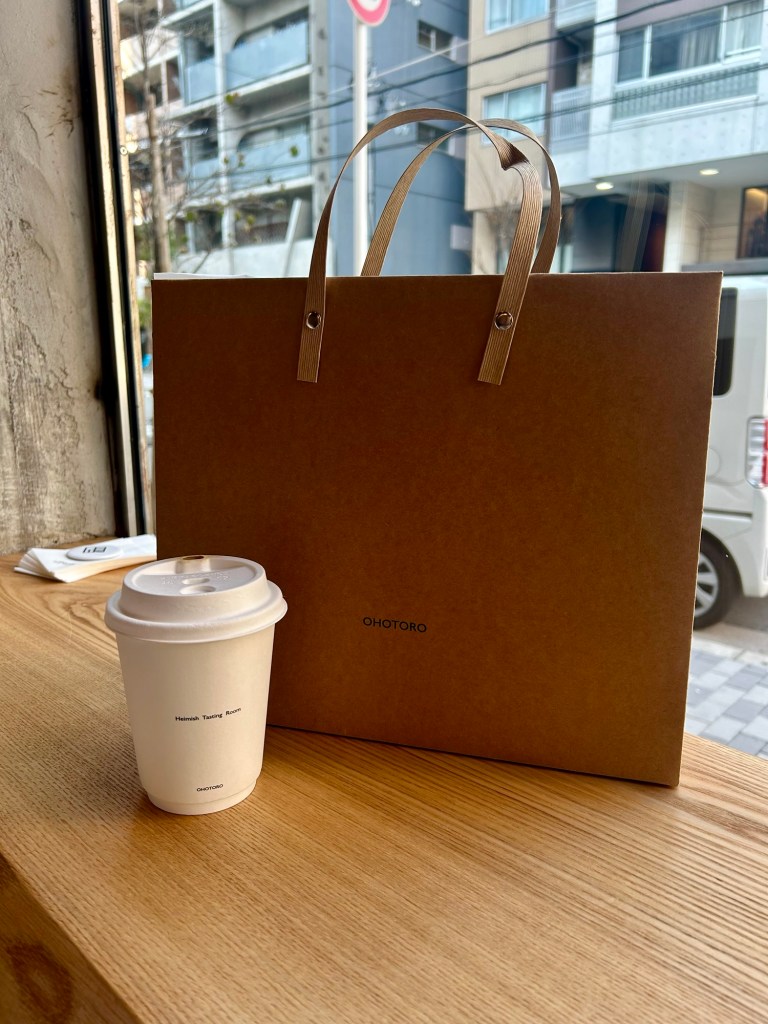
    OHOTORO FLAGSHIP STORE / CAFE HTR is located here and has amazing coffee & a store upstairs. I went there yesterday and the atmosphere was incredibly relaxing.

    Whether you’re in the mood for speciality coffee, matcha treats, or a casual brunch, Orange Street has plenty of options to satisfy your cravings.

    3. Art & Design Spaces

    With its roots in furniture and craftsmanship, Orange Street remains a hotspot for interior design and contemporary art. You’ll find:

    • Modern furniture shops that blend Japanese aesthetics with Scandinavian minimalism.

    • Local art galleries showcasing works by up-and-coming Osaka artists.

    • Creative studios where designers and makers experiment with new ideas.

    If you appreciate well-crafted design and artistic innovation, you’ll love wandering through this part of the city.

    How to Get to Orange Street

    Orange Street is located in the Minami (South) district of Osaka, between Namba and Shinsaibashi. The easiest way to get there is:

    • By train: Take the Yotsubashi Line to Yotsubashi Station (Exit 6) or the Midosuji Line to Shinsaibashi Station (Exit 7). Both are about a 5-minute walk away.

    • On foot: If you’re already in the Namba or Shinsaibashi area, it’s a short and pleasant stroll.

    Final Thoughts

    Orange Street is the perfect place to experience Osaka’s modern creativity and stylish urban culture. Whether you’re a fashion enthusiast, a coffee lover, or an art and design aficionado, this trendy district has something to offer. It’s a great contrast to the city’s more famous attractions and provides a glimpse into Osaka’s youthful, artistic, and stylish side.

    Next time you visit Osaka, be sure to explore Orange Street—you might just discover your new favourite boutique or café!

  • The Blue Pagoda in Nakayama-dera, Osaka: A Hike of Tranquility and Scenic Beauty

    The Blue Pagoda in Nakayama-dera, Osaka: A Hike of Tranquility and Scenic Beauty

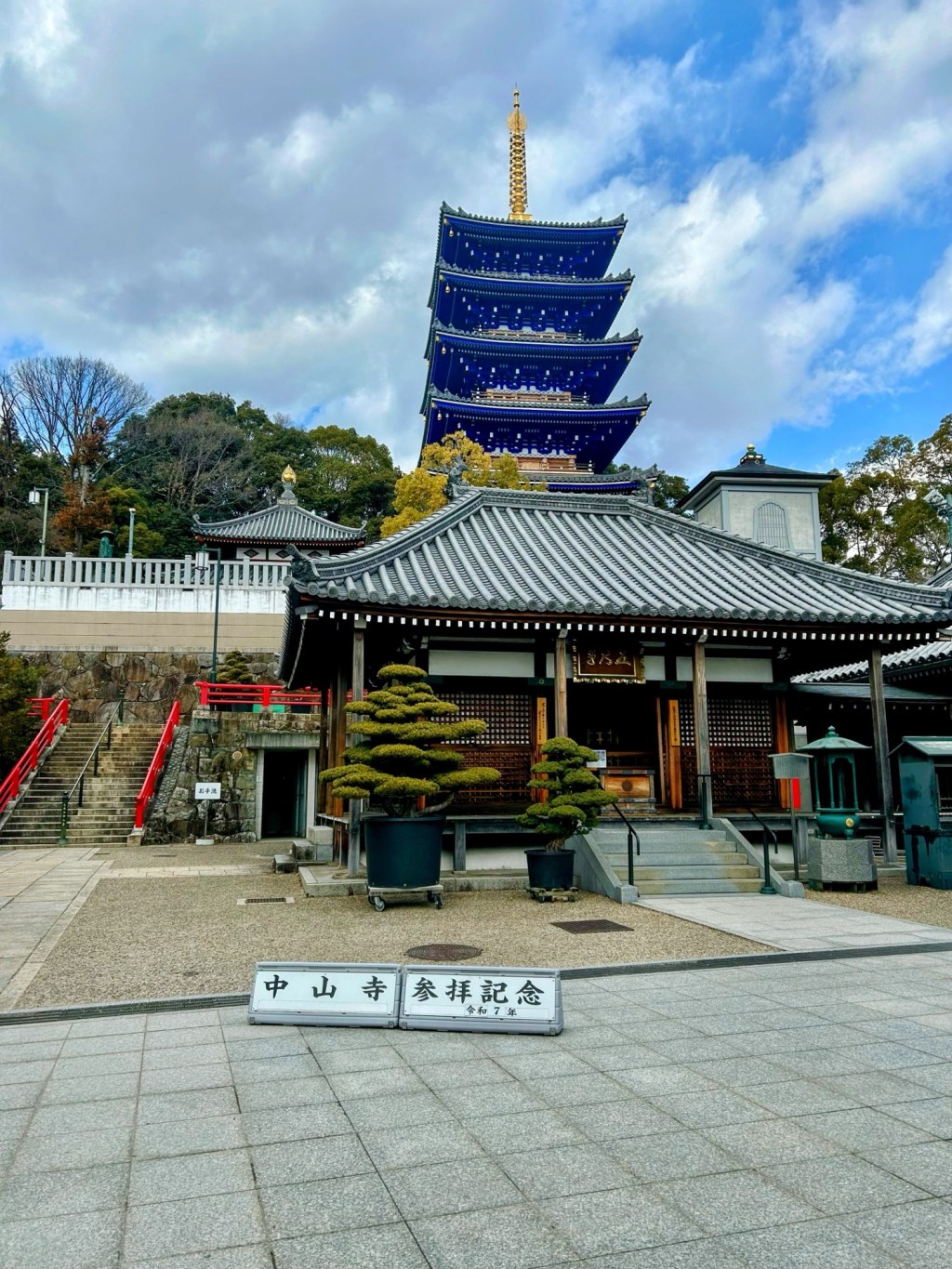
    Nestled in the town of Takarazuka, just outside Osaka, Nakayama-dera Temple is an enchanting destination steeped in history and natural beauty. Among its many highlights is the striking blue pagoda, a rare architectural gem that captivates visitors with its vibrant color and serene surroundings.

    Unlike the traditional red pagodas commonly seen across Japan, this four-tiered structure is painted in a vibrant shade of blue, symbolising tranquility and enlightenment. The pagoda is nestled against a backdrop of lush greenery, which only enhances its striking appearance.

    The Temple’s Historical Significance

    Nakayama-dera is one of the 33 temples on the Saigoku Kannon Pilgrimage, dedicated to Kannon, the Buddhist deity of mercy. Founded in the 6th century, the temple is a place of deep spiritual resonance and a popular site for prayers, particularly for safe childbirth. The grounds have beautiful gardens, ancient stone lanterns, and a variety of Buddhist statues (over 700 in one of the shrines!) but the blue pagoda stands out as a truly unique attraction.

    Getting to the Blue Pagoda

    Getting to the Blue Pagoda itself is easily accessible from Nakayama Station on the Hankyu Takarazuka Line. The station is just a 25-minute ride from Osaka’s city center, making it a convenient escape from the urban bustle. The distance from the station to the pagoda is then short, and doesn’t require much physical effort to reach, taking around 15-minutes to walk.

    The hike!

    The hike begins at the base of Nakayama-dera Temple (to the left of the blue pagoda). After about 45 minutes to an hour of hiking along the path, you’ll reach awe-inspiring views across Osaka to rewards your efforts.

    The view halfway along the hike

    As you ascend, the path meanders through a picturesque landscape of tall cedar trees and gentle streams. The trail is well-maintained and suitable for hikers of all levels, though sturdy footwear is recommended due to occasional steep sections. Along the way, you’ll encounter small shrines and Jizo statues, offering opportunities to pause and soak in the spiritual atmosphere.

    Visitors often remark on the profound sense of peace they feel here. The location is relatively secluded, ensuring that the site remains uncrowded, even during peak travel seasons. This makes it an ideal spot for quiet reflection or simply enjoying the surrounding beauty.

    Seasonal Highlights

    The hike is a year-round delight, but each season brings its own charm. In spring, cherry blossoms blanket the temple grounds in soft pink hues. Summer offers lush greenery, while autumn transforms the landscape with fiery red and orange foliage. Even winter has its appeal, as the pagoda looks particularly enchanting against a dusting of snow.

    Tips for Your Visit

    • Time Your Hike: Morning is the best time to start, as the trail is cooler and less crowded.
    • Bring Essentials: Pack water, snacks, and a camera to capture the breathtaking scenery.
    • Respect the Space: Nakayama-dera is an active temple, so be mindful of worshippers and maintain a respectful demeanor.
    • Explore the Area: After your hike, take time to explore the rest of Nakayama-dera or enjoy local delicacies in the nearby town of Takarazuka.

    Conclusion

    Hiking around, and seeing the blue pagoda, in Nakayama-dera is an opportunity to connect with Japan’s rich cultural heritage and the natural world. Whether you’re a seasoned hiker or a casual traveler, this serene escape near Osaka offers a perfect blend of adventure and mindfulness. Make it a part of your next trip, and let the vibrant blue pagoda leave an indelible mark on your travel memories.

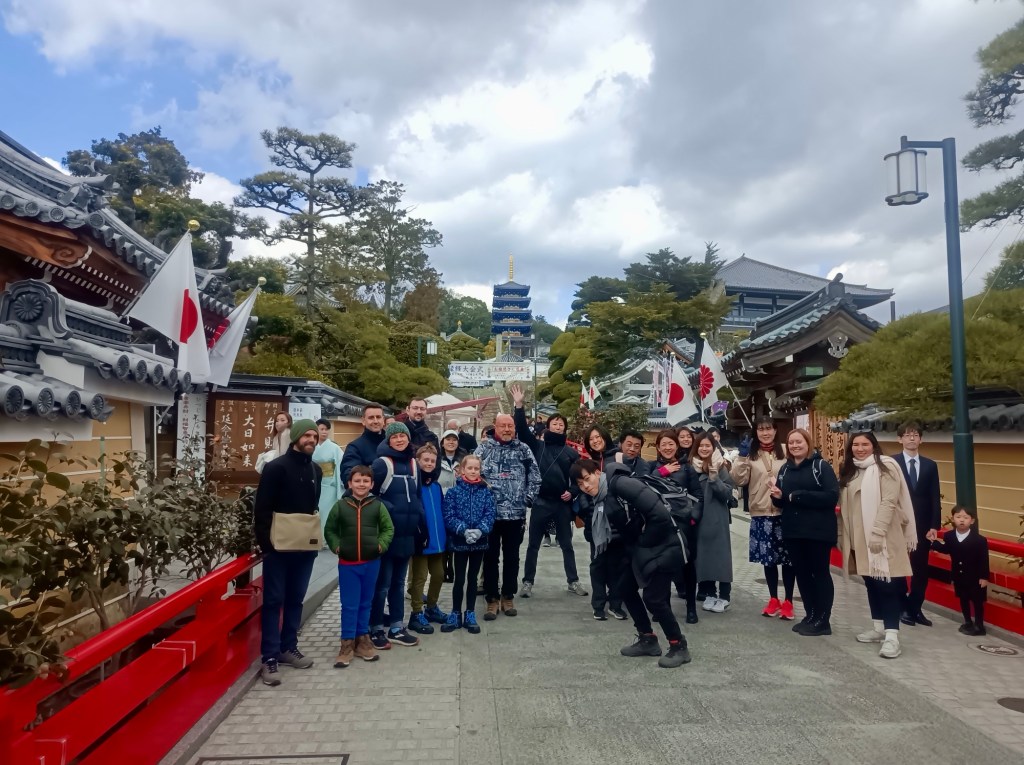
    I went on the hike with a group that I found via the ‘meetup’ app! A photo of my group is below. I’ve also recorded a short youtube video for you to see some of the grounds near the temple: