Tag: osaka castle

  • Osaka History Museum

    Osaka History Museum

    A trip to the Osaka History Museum is a great thing to do on a rainy day in Osaka. It has something for all of the family alongside panoramic views on each level. The entrance fee is just ¥600 per person and the exhibits have english written alongside them as well as Japanese – very considerate for tourists!

    To reach the Osaka History Museum, I recommend taking a short walk from Tanimachi 4-chome Station. The route is straightforward and gives you a glimpse of Osaka’s vibrant cityscape before you step into its rich history. Along the way, you might pass small cafes and convenience stores—ideal for a quick refreshment before starting your visit.

    The museum itself is designed as a journey through time, starting at the top and working your way down floor by floor. This layout makes it easy to immerse yourself in Osaka’s evolving story, and it’s one of the reasons so many visitors praise the experience. A common question I see online is, “How much time should I spend here?” I’d recommend at least two to three hours to fully appreciate the exhibits and observation deck.

    What’s on Each Floor?

    • 10th Floor: Osaka Castle View and Ancient Osaka
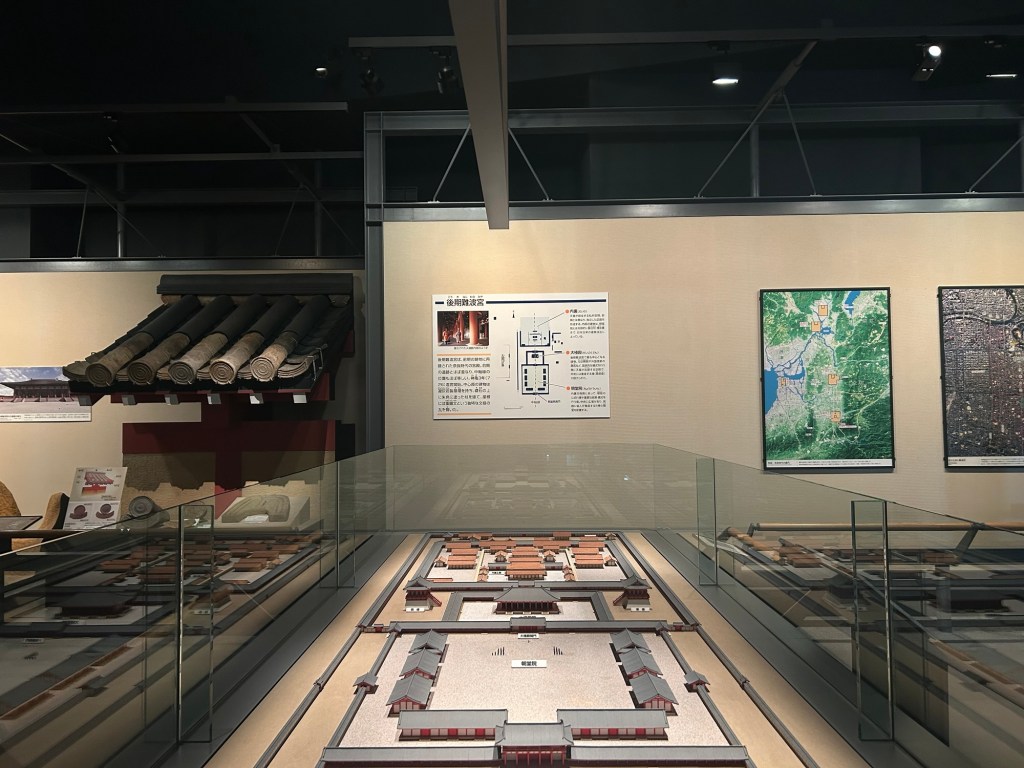
      Your journey begins on the 10th floor, where the observation deck offers stunning views of Osaka Castle and the city skyline. It’s a good spot for photos, especially on clear days. This floor also dives into Osaka’s early history, featuring artifacts and reconstructions from the Naniwa Palace, a 7th-century imperial residence. Many visitors ask, “Are the exhibits interactive?” The answer here is yes—you can walk through models and dioramas that recreate the grandeur of the palace and its role in Osaka’s early political and cultural life. Kids can also enjoy getting hands on in the archeology section.
    • 9th Floor: Osaka as a Merchant Hub
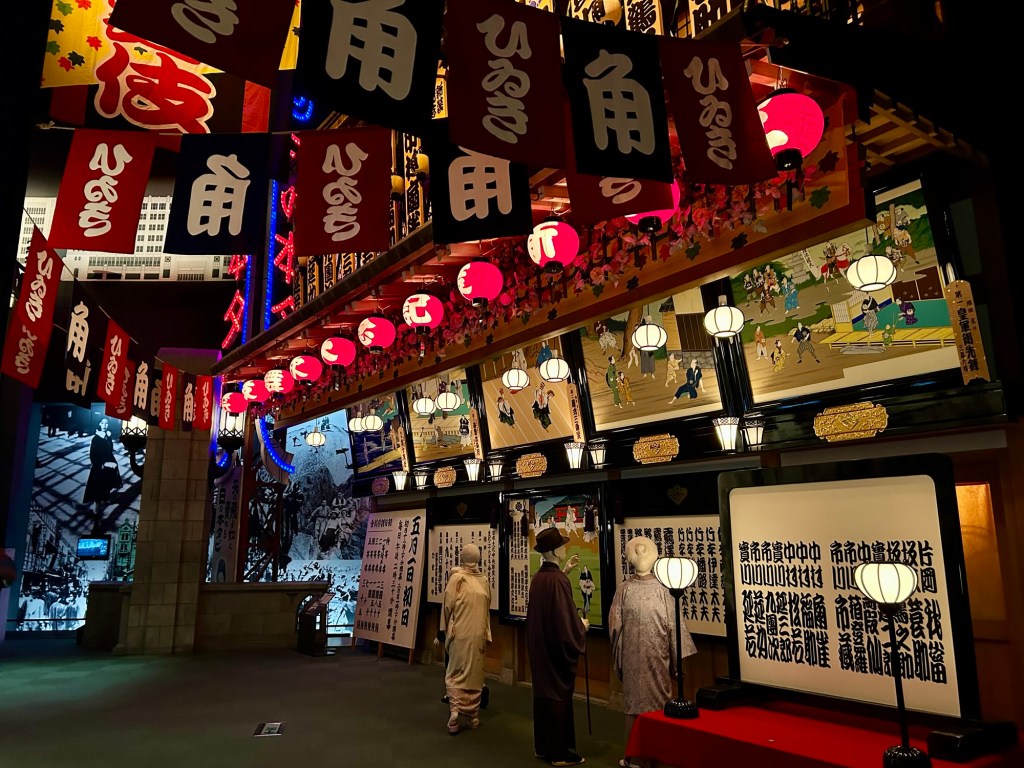
      Moving down to the 9th floor, you’ll explore the Edo period, when Osaka flourished as a center of trade and commerce. The exhibits include a detailed recreation of a bustling 17th-century merchant district, complete with miniature models and vibrant storytelling. This floor gives an excellent sense of how Osaka earned its nickname, “The Kitchen of Japan.” For those wondering, “Is there English signage?” rest assured that most displays have English translations, so you won’t miss out on the details.
    • 8th Floor: Modernisation and the Meiji Era
      The 8th floor focuses on Osaka’s transformation during the Meiji Restoration and early modern period. You’ll find exhibits that highlight the city’s industrial growth, urbanisation, and cultural shifts. There are fascinating photos and artifacts from this era, showing how traditional lifestyles blended with new influences.
    • 7th Floor: Post-War Osaka and Beyond
      The final exhibit floor covers Osaka’s post-war recovery and rapid development into the metropolis it is today. This section is particularly engaging for history buffs, as it provides insight into Osaka’s resilience and how it became a center of innovation. It also touches on the city’s cultural contributions, including the rise of iconic food and entertainment industries.
    Tips for Visiting

    • Plan ahead: Start your day early and aim to visit in the morning when it’s less crowded. This way, you can take your time exploring without rushing.
    • Combine with Osaka Castle: as it is SO close by, I suggest pairing your visit to the museum with Osaka Castle, which is just a short walk away.

    Is It Worth Visiting?

    If you’re curious about whether the Osaka History Museum is worth your time, the answer is yes. A question I often came across online was, “Is it worth visiting if you’re short on time?” Even if you only have an hour or two, the top floors with their immersive exhibits and castle views make the visit worthwhile. For families, the interactive displays are a hit with kids, while history lovers will appreciate the depth of the artifacts and storytelling.

    By the end of my visit, I felt I had gained a deeper understanding of Osaka’s past, its identity as a city of resilience, innovation, and culture. If you’re planning a trip to Osaka, make sure this museum is on your itinerary—it’s a journey through time you won’t want to miss.
  • Exploring Morinomiya (Osaka Castle and more!)

    Exploring Morinomiya (Osaka Castle and more!)

    Morinomiya is known as one of the nicest areas in Osaka. The JR Osaka Loop Line and Osaka Metro Chuo Line both have stops at Morinomiya Station, making it convenient to explore from anywhere in the city. Having lived in Morinomiya myself, here are some of the best things to do within the immediate area.

    Visit Osaka Castle

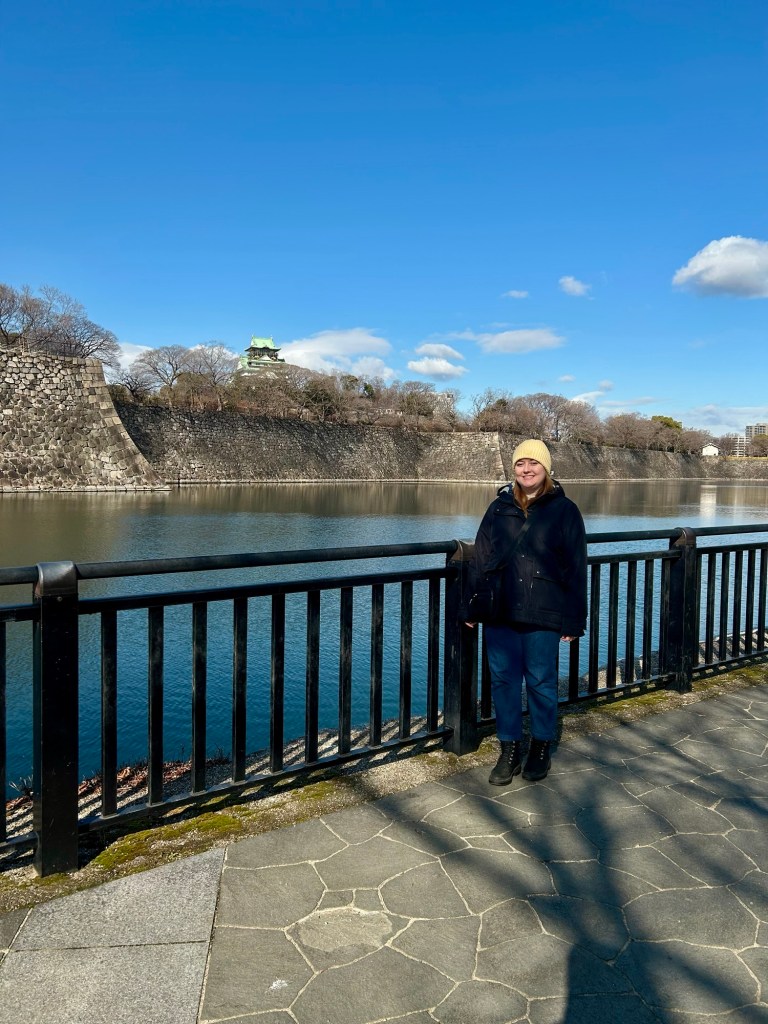
    At the heart of Morinomiya stands the iconic Osaka Castle, one of Japan’s most famous landmarks. Originally built in 1583 by Toyotomi Hideyoshi, the castle played a pivotal role in Japan’s history. Today, visitors can explore the museum inside, which offers fascinating insights into the castle’s past. You can also dine like a king or queen near the castle at the Blue Birds Rooftop Terrace, which provides an ideal summer BBQ style setting with views of the castle.

    Surrounding the castle is Osaka Castle Park, a beautiful green space that changes with the seasons. In spring, it becomes a prime cherry blossom viewing spot, while in autumn, the golden leaves create a picturesque landscape. The park is perfect for a leisurely stroll, a morning jog, or a peaceful picnic. You can also take a relaxing boat ride along the river surrounding the castle to rest your legs.

    Osaka History Museum

    A trip to the Osaka History Museum is a great thing to do on a rainy day in Osaka. It has something for all of the family alongside panoramic views on each level. The entrance fee is just ¥600 per person and the exhibits have english written alongside them as well as Japanese – very considerate for tourists!

    To reach the Osaka History Museum, I recommend taking a short walk from Tanimachi 4-chome Station. The route is straightforward and gives you a glimpse of Osaka’s vibrant cityscape before you step into its rich history. Along the way, you might pass small cafes and convenience stores—ideal for a quick refreshment before starting your visit.

    I provide more information on the museum and whats included inside in a separate blog, check it out here.

    Naniwa Palace Ruins Park

    If you’ve been to the Osaka History Museum you will know all about this site. This historic park spreads over the area of ​​Hoenzaka in Chuo Ward, Osaka City. In 1961, an excavation by Dr. Yamane Tokutaro, a professor at Osaka City University, confirmed the remains of two Naniwa Palace palaces, one from the Asuka period to the Nara period. Currently, the central area of ​​the palace, covering an area of ​​about 90,000 square meters, has been designated as a national historic site, and is being developed as a historic park.

    The historic site is marked in two ways: the later Naniwa Palace, built from 726, is marked on a level above ground level with a stone foundation; the earlier Naniwa Palace, built from 650, is marked on a level below ground level with red tiles, red granite pillars, and a camellia hedge. Also, in the north central part of the park is the restored Daigokuden, which is said to have been used by the Emperor when holding official national ceremonies, from which Osaka Castle can be viewed.

    Discover Tamatsukuri Inari Shrine

    For a taste of traditional Japan, visit Tamatsukuri Inari Shrine, one of the oldest shrines in Osaka, dating back to 12 BCE. This shrine is believed to bring good fortune, especially in love and relationships.

    At the shrine, a curved jewel is the dominant motif that the head priest has developed a kind of magatama philosophy with. In addition to describing the four souls possessed by all people,which must be kept in balance, he elaborates a theory of social and marital harmony. If there is a good fit between two magatama in a yin-yang pattern, they form a circle and can roll smoothly. In similar fashion, when two people’s souls fit in this way they can work well together to progress in the world. A special comma-shaped amulet helps keep these spirits in balance.

    E-Mobility Metro Town (LIMITED TIME ONLY)

    For transport enthusiasts, and those looking for something fun to do with kids in Osaka, the recently opened E-Mobility Metro Town provides an interesting activitiy. You may have seen posters for this across Osaka on subways and be wondering what it is!

    e METRO MOBILITY TOWN is a temporary experiential theme park running from January to October 2025. Designed by Osaka Metro, it offers futuristic and interactive attractions centered on urban living and transportation.

    Highlights include the “Future Experience Area,” featuring projection mapping, virtual time-space tours, and activities like designing vehicles in the “Kids Train.” Visitors can ride EV and autonomous buses, explore the “Future Station” metaverse, and enjoy the EV Kart Circuit. Sustainable concepts are showcased with repurposed subway cars and flying car displays, providing a glimpse into transportation’s future.

    Ticket prices vary by purchase method:

    • e METRO App: Adults ¥1,320–¥1,980, children ¥660–¥990
    • On-site: Adults ¥1,600–¥2,200, children ¥800–¥1,100.

    Children under 6 enter free (limit 2 per adult). Group discounts are available. Additional fees apply for some attractions, like EV Karts, which cost ¥2,000–¥4,000 depending on size. You can buy your tickets here.

    Dining in Morinomiya

    After immersing yourself in the historical and natural beauty of the area, Morinomiya offers a diverse culinary scene that caters to various tastes. The relaxed Morinomiya Q’s Mall base is located just over the road from the park and includes a food-hall offering a variety of affordable options for food. The mall contains several second-hand vintage, shops, a climbing wall, gym, and a running track on the roof! so it really caters to everyone. Beyond the mall, here are some notable dining establishments in the area:

    Gyoza no Ohsho Morinomiya

    A popular chain specializing in gyoza (Japanese dumplings) and a variety of Chinese-inspired dishes, known for its quick service and affordable prices.

    Warabimochi Kadofuji Morinomiya

    A dessert shop renowned for its warabimochi, a traditional Japanese confection made from bracken starch and covered in sweet toppings.

    Anbai Morinomiya

    A cozy eatery offering a range of Japanese comfort foods, including set meals and seasonal specialties.

    Suikoden Morinomiya

    An izakaya-style restaurant serving a variety of small plates, perfect for sharing over drinks in a relaxed atmosphere.

    Morinomiya Wa Cafe Kitajima

    A café blending traditional Japanese aesthetics with modern touches, offering a selection of teas, desserts, and light meals.

    That’s Pizza!

    A local pizzeria (and personal favourite of mine) known for its handcrafted pizzas with a Japanese twist, providing a unique dining experience.